

Most pool cleaner issues stem from clogged filters, worn tracks, or minor electrical faults that owners can resolve without professional help. Understanding how to fix a pool cleaner involves identifying the specific component failure, whether it is a suction-side hose kink, a robotic battery drain, or a pressure-side booster pump issue.
Many homeowners spend unnecessary money on replacements when a simple maintenance task, such as rinsing a pleated cartridge or checking a swivel cable, restores full functionality. This guide breaks down the practical steps for diagnosing and repairing common issues across different cleaner types, ensuring your pool equipment runs smoothly throughout the season.
The approach to how to fix a pool cleaner depends heavily on the unit’s design and the symptom presented. Robotic units often require attention to their filtration baskets and drive mechanisms, while suction-side models rely on consistent water flow from the main pump. Pressure-side cleaners add the complexity of booster pump plumbing and pressure relief valves.
By addressing these specific mechanical and electrical points, you can extend the life of your equipment and maintain water clarity without constant manual intervention. This article provides a factual overview of the repair processes, highlighting safety precautions and necessary tools for each type of cleaner.




Diagnosing and Repairing Common Pool Cleaner Failures
Identifying the root cause of a pool cleaner malfunction is the first step toward an effective repair. Different cleaner types have distinct failure points, and misdiagnosing the issue can lead to unnecessary part replacements or further damage. Robotic cleaners often stop moving due to battery depletion or track slippage, while suction-side units may stall if the pool pump flow rate drops below the minimum requirement.
Pressure-side models can suffer from over-pressurization if the booster pump is not properly bled or if the pressure relief valve is stuck. Understanding these specific mechanical behaviors allows for targeted troubleshooting rather than guesswork.
| Cleaner Type | Common Failure Symptom | Primary Repair Area |
|---|---|---|
| Robotic (Corded) | Unit stops moving or battery dies quickly | Drive tracks, battery health, swivel cable |
| Suction-Side | Cleaner does not move or moves slowly | Hose connections, pump flow rate, main drain |
| Pressure-Side | Low pressure or cleaner bounces erratically | Booster pump, pressure relief valve, hoses |
| Manual | Weak suction or clogged nozzle | Nozzle tips, hose blockages, brush wear |
Before opening any component, always disconnect the power source. For robotic units, this means unplugging the control box or removing the battery if accessible. For suction and pressure systems, turn off the pool pump to prevent water pressure from forcing components apart.
This safety step prevents electrical shock hazards and ensures that water does not spray out of disconnected hoses or fittings. Many owners overlook this step, leading to minor injuries or water damage in the equipment room. Taking a moment to isolate the system is a critical part of the repair process.
- Check the power supply unit for loose connections or burnt smell.
- Inspect the swivel cable for kinks or internal wire damage.
- Verify the battery charge level and replace if it holds no charge.
- Examine drive tracks for debris accumulation and wear patterns.
- Test the main drain cover to ensure it is not obstructing flow.
Readers working through this often check where to buy polaris pool cleaner next.
Robotic Cleaner Battery and Drive System Repairs
Corded robotic cleaners rely on a battery that powers the internal motor and navigation sensors. If the unit stops mid-cycle or refuses to start, the battery is often the culprit. Over time, lithium-ion or lead-acid batteries lose their ability to hold a full charge, resulting in shortened cleaning cycles.
You can test the battery voltage with a multimeter to see if it meets the manufacturer’s specified range. If the voltage is significantly lower than the rated capacity, the battery needs replacement. This is a common fix for units that have been in use for several seasons without battery maintenance.
The drive system, consisting of rubber tracks and motorized wheels, can also fail due to debris or wear. Leaves, pine needles, and sand can accumulate in the track grooves, reducing traction and causing the unit to slip on pool surfaces. Cleaning the tracks involves removing them from the chassis, if possible, and scrubbing away debris with a soft brush.
Inspect the rubber for cracks or hardening, which indicates age-related degradation. Replacing worn tracks is often more cost-effective than replacing the entire drive motor assembly. Ensure the tracks are seated correctly before reassembling the unit to prevent uneven wear.
Swivel cables are another frequent point of failure in corded robots. These cables allow the unit to move freely without tangling the power cord. If the swivel mechanism seizes or the internal wires break, the unit may lose power or stop moving entirely.
You can often clean the swivel mechanism by spraying a lubricant designed for marine or pool environments. If the cable is visibly damaged or the swivel does not rotate smoothly, replacement is necessary. Using a compatible replacement swivel cable ensures that the power connection remains secure and tangle-free during operation.
Suction-Side Cleaner Flow and Hose Maintenance
Suction-side cleaners depend entirely on the flow from the pool’s main circulation pump. If the cleaner moves slowly or not at all, the issue is usually related to water flow restriction. Check all hose connections for tightness and ensure the hose is not kinked or crushed.
A kinked hose can drastically reduce suction, causing the cleaner to stall. Also, inspect the hose for holes or leaks, which can create air pockets and further reduce performance. Replacing a damaged hose is a simple fix that often restores full functionality to the system.
The main drain cover is another critical component that can affect suction-side performance. If the cover is loose, cracked, or obstructed by debris, it can restrict water flow to the cleaner. Ensure the cover is securely in place and free of leaves or other blockages.
In some cases, the main drain itself may be clogged with sand or silt, which requires cleaning the drain basket or rinsing the drain line. This is particularly common in pools with heavy organic debris or fine sand accumulation. Regular maintenance of the main drain helps prevent flow restrictions that can mimic cleaner malfunction.
Variable-speed pumps can also impact suction-side cleaner performance. If the pump is set to a low RPM, the flow rate may be insufficient to drive the cleaner effectively. Check the pump settings and adjust the speed to match the cleaner’s minimum flow requirement, usually listed in the user manual.
If the pump is too new or has low horsepower, it may not provide enough flow for a standard suction-side unit. In such cases, consider a cleaner with lower flow requirements or a pressure-side model with a dedicated booster pump. Matching the pump capacity to the cleaner’s needs is essential for reliable operation.
A closely related question is covered in best automatic pool cleaner on the market, which may help alongside this section.
Pressure-Side Cleaner Booster Pump and Plumbing
Pressure-side cleaners use a booster pump to create the high pressure needed to drive the unit through the pool. If the cleaner bounces erratically or moves slowly, the booster pump may be air-locked or the pressure relief valve may be malfunctioning. Bleeding the booster pump involves opening the bleed valve to release trapped air until water flows steadily. This process may need to be repeated several times to fully remove air from the system. A properly bled booster pump ensures consistent pressure and smooth cleaner movement.
The pressure relief valve is a safety component that prevents over-pressurization of the system. If the valve is stuck closed, pressure can build up to dangerous levels, potentially damaging hoses or the cleaner itself. Test the valve by gently lifting the plunger to ensure it opens and closes freely. If the valve is corroded or stuck, replace it with a compatible part. Regular inspection of the pressure relief valve is a simple maintenance task that can prevent serious system failures. Always follow the manufacturer’s guidelines for valve installation and testing.
Hose length and diameter also affect pressure-side cleaner performance. If the hose is too long or narrow, pressure losses can reduce the force driving the cleaner. Use the hose length and diameter recommended by the manufacturer to ensure optimal performance. Inspect the hose for internal wear or blockages, which can also reduce pressure. Replacing a worn hose is a straightforward fix that can restore the cleaner’s movement and cleaning efficiency. Proper plumbing setup is key to maintaining consistent pressure throughout the system.
If this topic is part of a bigger decision, best robot inground pool cleaner is a useful related read.
Filter Cleaning and Chemical Considerations
Clogged filters are a common cause of reduced pool cleaner performance across all types. Robotic cleaners have internal filtration baskets that can clog with fine silt, sand, and dead algae. Emptying and rinsing these baskets after each cycle is essential to maintain suction and flow.
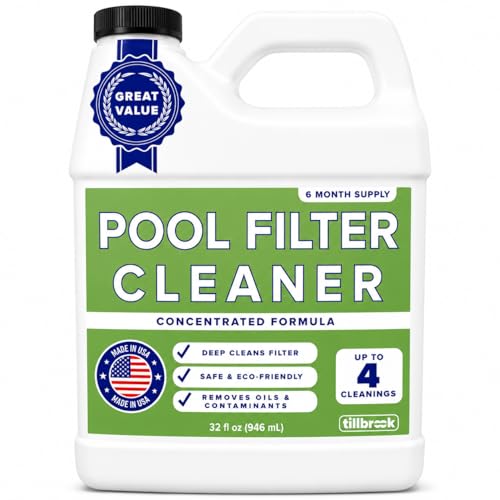
If the basket is heavily clogged, use a pool filter cleaner concentrate to break down grease and oils. Soak the basket in the solution for the recommended time, then rinse thoroughly before reinserting. This process helps restore the filter’s ability to capture fine particles and maintain water clarity.
Chemical imbalances in the pool water can also affect cleaner performance and component longevity. High chlorine levels or unbalanced pH can degrade rubber tracks, seals, and plastic housing over time. Maintain proper water balance by testing the pool water regularly and adjusting chemicals as needed.
Before performing any repairs or maintenance, ensure the pool water is chemically balanced to prevent further damage to the cleaner. Some owners remove the cleaner from the pool during shock treatments to protect sensitive components. Following the manufacturer’s guidance on chemical exposure helps extend the life of your pool equipment.
Regular maintenance of the pool’s filtration system also supports cleaner performance. A clean and efficient filter system ensures that the pump can maintain the necessary flow rates for suction-side and pressure-side cleaners. Backwash or clean the main pool filter as recommended by the manufacturer to prevent clogging. This reduces the strain on the pump and ensures consistent water flow to the cleaner. A well-maintained filtration system is a foundational element of a healthy pool cleaner setup.
- Rinse robotic filter baskets after every cleaning cycle.
- Check pool water balance before starting maintenance tasks.
- Bleed the booster pump to remove trapped air from the system.
- Inspect hoses for kinks, leaks, and internal blockages.
- Replace worn tracks and swivel cables as needed.
When to Seek Professional Help
While many pool cleaner issues can be resolved with DIY repairs, some problems require professional attention. If the cleaner’s motor makes unusual noises or smells burnt, it may have an internal electrical fault that needs diagnostic testing. Attempting to repair electrical components without proper tools and knowledge can be dangerous and may void the warranty.
Similarly, if the pool plumbing is complex or the booster pump is not bleeding properly, a certified pool technician can assess the system and identify the root cause. Professional help ensures that repairs are done safely and effectively, preventing further damage to the equipment.
Before calling a professional, document the symptoms and any maintenance steps you have already taken. This information helps the technician diagnose the issue more quickly and accurately. Keep records of any error codes displayed on the cleaner’s control panel, if applicable. Providing this context can save time and ensure that the correct parts are available for repair. A clear description of the problem also helps in determining whether the issue is mechanical, electrical, or related to the pool’s plumbing system.
Ultimately, consistent maintenance and timely repairs are the best ways to keep your pool cleaner functioning properly. By addressing common issues such as clogged filters, worn tracks, and flow restrictions, you can extend the life of your equipment and maintain clean pool water. Follow the manufacturer’s guidelines for maintenance and safety, and do not hesitate to seek professional help when the problem exceeds your comfort level. A well-maintained pool cleaner is a reliable partner in keeping your pool clean and ready for use.
Readers working through this often check what is the best pool filter cleaner next.




Write Your Review
No reviews yet. Be the first to share your experience!