

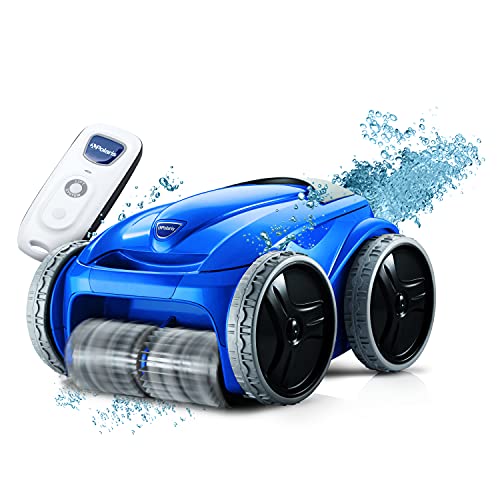
Fine sand and heavy silt often settle directly into the hard-to-reach corners of a swimming pool floor, leaving behind cloudy water that standard automated cycles miss. Dragging out a manual vacuum hose and wrestling with a telescoping pole creates unnecessary back strain and ruins your weekend downtime. Selecting the best remote pool cleaner changes that maintenance routine by placing precise directional steering directly in your hands. Based on detailed analysis of motor specifications, suction ratings, and user feedback, models with dedicated remotes allow you to steer the vacuum directly to lingering debris without running an entire cleaning cycle. If you also manage a backyard hot tub, pairing automated gear with a yard patio hot tub cover keeps surrounding leaves from blowing across your deck.
Modern remote units eliminate the frustration of watching a machine wander aimlessly past obvious debris. Whether you prefer a cordless robotic pool vacuum with underwater LiFi controls or a wheeled cleaner with a tangle-reducing swivel cable, manual steering lets you target stairs, slopes, and deep-end spots instantly. Choosing an option with strong wall-climbing capability and large filter capacity ensures crystal clear pool water with minimal effort.




Tackling Pool Maintenance: Frequently Asked Questions
How does a remote control communicate underwater with a pool cleaner?
Radio signals cannot easily penetrate water, so advanced cleaners use underwater LiFi optical communication or floating signal transmitters. Cordless robotic models like the DREAME Z1 Pro use LiFi handheld remotes that transmit light signals through fresh or saltwater. Other cleaners require setting commands before submersion or utilize floating tethered cords connected to a poolside command module.
Can the Best Remote Pool Cleaner climb walls and scrub the waterline in 2026?
Yes, units engineered with multi-motor drive tracks and active scrubbing rollers scale vertical pool walls easily. Models like the WYBOT C1 and Letexpool C1 utilize triple motors to grip vinyl, fiberglass, and plaster surfaces. When guided along the perimeter, high-speed rollers scrub away waterline scum before oils and algae bake into the tile.
Will a remote-operated cleaner get stuck on main drain covers?
No, high-clearance wheel drives and multi-directional tracks prevent robots from hanging up on raised drain grates. Units like the Polaris 9550 Sport use four-wheel drive traction to climb over obstacles without losing suction. If a machine ever hesitates, manual steering lets you guide the best remote pool cleaner away immediately.
Are remote pool cleaners safe for vinyl liners and fiberglass?
Yes, robotic vacuums equipped with soft PVC brushes and non-marring rubber tracks protect delicate pool surfaces. Models like the Ultenic Cordless Pool Vacuum distribute their weight evenly to prevent scuffing vinyl seams. Regular use safely removes abrasive grit without causing friction wear on gelcoat or vinyl finishes.
How should you store a cordless remote pool cleaner during winter?
Empty and rinse the filter canister, dry the exterior, and store the machine indoors above freezing temperatures. Keep lithium-ion batteries charged to roughly 50 percent during extended storage to protect cell life. Protecting adjacent spa installations with a spa cover with warranty protection also reduces windblown debris, keeping the pool area cleaner when spring arrives.


Write Your Review
No reviews yet. Be the first to share your experience!