


For most pool owners, the answer is a definitive yes, provided the unit matches your pool size and surface type. A robotic pool cleaner automates the tedious tasks of vacuuming floors, scrubbing walls, and removing organic debris, freeing up significant weekend hours. Unlike manual vacuums that require constant steering and hose management, these autonomous units navigate independently and return to the edge when their cycle ends.
The value proposition shifts based on whether you have an inground or above-ground pool, and how much fine silt or heavy leaf debris you deal with. Cordless models offer freedom from cable tangling, while corded units provide unlimited runtime for larger properties. By evaluating the specific benefits of automated filtration and navigation technology, you can determine if the upfront investment aligns with your maintenance goals and budget.
If you are weighing the decision against other automated options, our guide on automated pool accessories provides context on how these devices fit into a broader maintenance routine. Understanding the operational differences helps you avoid common pitfalls related to battery life and filtration capacity.


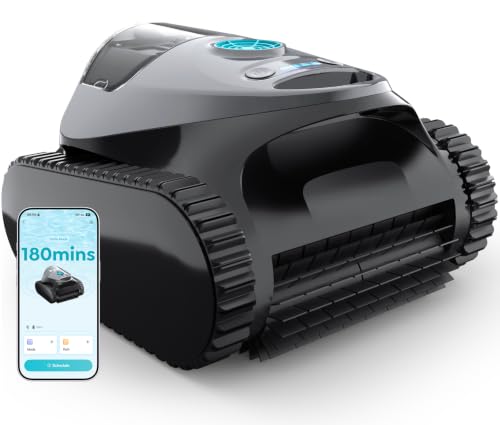


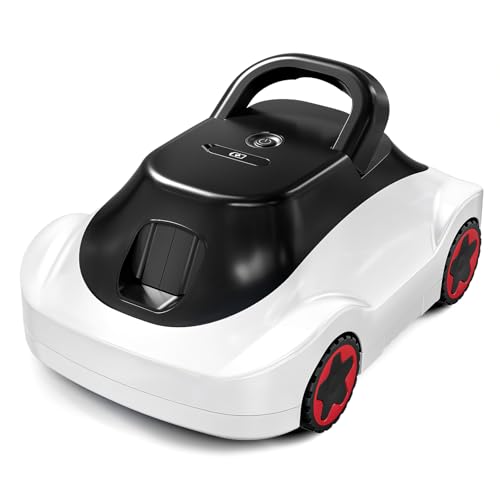
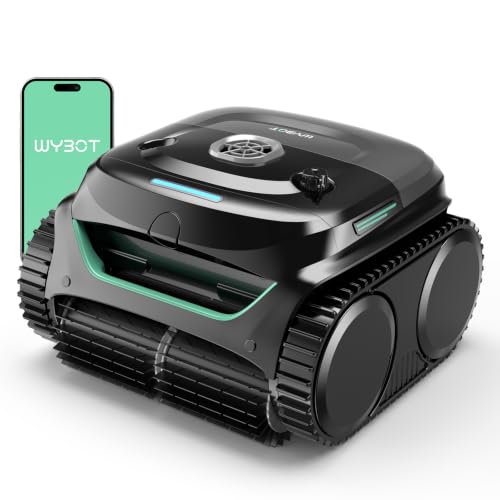
The decision to invest in a robotic pool cleaner hinges on the trade-off between upfront cost and long-term labor savings. For an average residential pool, manual vacuuming can consume two to three hours per week, a time commitment that accumulates significantly over a swimming season. Robotic units eliminate this manual steering requirement, allowing the pool to clean itself while you focus on water chemistry and other tasks. This automation is particularly valuable for owners who cannot dedicate consistent blocks of time for maintenance.
| Feature Category | Manual Vacuum | Robotic Cleaner | Key Consideration |
|---|---|---|---|
| Time Commitment | High (Active steering) | Low (Set and forget) | Weekly hours saved |
| Debris Handling | Depends on hose suction | Internal filtration basket | Fine silt capture |
| Coverage Area | Variable | Defined by runtime/battery | Pool size match |
| Surface Compatibility | Universal | Specific (Vinyl/Plaster/Fiberglass) | Material safety |
| Power Source | Pool Pump | Battery or Corded | Runtime limits |
Before committing to a specific model, verify that the cleaner’s specifications align with your pool’s dimensions and surface material. The following checklist highlights the critical data points to review in product descriptions to ensure a suitable match for your specific pool environment.
- Confirm the maximum pool size rating exceeds your pool’s square footage.
- Check if the unit is rated for your specific surface: vinyl, plaster, or fiberglass.
- Verify the filtration micron rating if you struggle with fine sand or silt.
- Determine if the model cleans only the floor or includes walls and waterline.
- Review the battery runtime or cable length to ensure full coverage is possible.
- Check for quick-drain features that reduce weight when lifting the unit out.
Time Savings and Labor Reduction
The most immediate benefit of a robotic cleaner is the elimination of active physical labor. Manual vacuuming requires the owner to hold a pole, steer the head, and manage the hose, which is physically demanding and time-consuming. Robotic units operate autonomously, using gyroscopic navigation or random bounce patterns to cover the pool floor systematically. This means the pool owner can start the cleaning cycle and walk away, returning only to empty the debris basket and rinse the filters.
For pools with heavy organic debris, such as those located under large trees, the labor savings are even more pronounced. Leaves, acorns, and pine needles clog skimmer baskets and pump strainers rapidly, requiring frequent manual intervention. A robotic cleaner with a large debris basket can handle this volume without clogging the main filtration system, reducing the frequency of skimmer cleaning. This shift from reactive cleaning to automated maintenance significantly improves the overall quality of pool ownership.
Filtration Efficiency and Water Clarity
Many pool owners assume that their main pool filter handles all debris, but fine particles like silt, pollen, and dead algae spores often bypass standard cartridge or sand filters. Robotic cleaners typically feature internal filtration systems with micron ratings that are finer than standard pool filters. This allows them to capture microscopic particles that contribute to cloudy water, improving clarity without increasing the load on the main pump and filter system.
The dual-layer filtration found in many modern robotic units is particularly effective for pools with fine sand or windblown dust. The first layer captures large debris like leaves and hair, while the second layer traps fine particles. This separation prevents the fine mesh from clogging quickly, allowing for longer runtime between filter cleanings. For arid or coastal properties where wind-blown silt is a constant issue, this added filtration layer is a critical feature that justifies the purchase.
If this topic is part of a bigger decision, dolphin robotic pool cleaner comparison chart is a useful related read.
Battery Runtime and Coverage Capabilities
Cordless robotic cleaners offer the convenience of no tangled cables, but their utility is limited by battery capacity. Most modern units provide between 120 and 180 minutes of runtime on a single charge, which is sufficient for pools up to approximately 1,600 to 2,200 square feet. If your pool exceeds this size, you may need a unit with a higher-capacity battery or a corded model that plugs into a GFCI outlet for unlimited power.
It is essential to match the cleaner’s coverage area to your pool’s actual size. A unit rated for 1,000 square feet may struggle to clean a 1,500-square-foot pool in a single cycle, requiring multiple runs or leaving areas uncleaned. Check the manufacturer’s specified square footage rating and compare it to your pool’s dimensions. For larger inground pools, look for models with extended runtime or fast-charging capabilities that allow for quick recharges between cycles.
Surface Compatibility and Safety
Not all robotic cleaners are suitable for every pool surface. Vinyl liner pools require cleaners with soft, non-abrasive brushes and tracks to prevent tearing or scratching the delicate material. Plaster and gunite pools can handle more aggressive scrubbing, but fiberglass pools often have slick gelcoat surfaces that require specific traction mechanisms to prevent slipping. Always verify the manufacturer’s compatibility list before purchasing to ensure the unit is safe for your specific pool finish.
Wall-climbing capability is another critical factor for owners who struggle with algae buildup along the waterline. Standard floor-only cleaners will not reach the waterline, leaving a common area for scum and algae to accumulate. Models with active wall-climbing and waterline scrubbing features address this gap, providing a more comprehensive clean. However, these features often reduce the battery life per cycle, so owners must balance the need for wall cleaning with the available runtime.
Readers working through this often check best buy robotic pool cleaner next.
Cost Considerations and Long-Term Value
Robotic pool cleaners range widely in price, from budget-friendly floor-only models to premium units with advanced navigation and dual-mode filtration. The initial cost is higher than a manual vacuum, but the long-term value lies in the time saved and the potential reduction in chemical usage due to improved water clarity. Owners should consider the total cost of ownership, including replacement filters, tracks, and batteries, which may need to be replaced every few years depending on usage and water chemistry.
For budget-conscious buyers, entry-level cordless models offer a significant improvement over manual cleaning without the premium price tag. These units may lack advanced features like app control or wall-climbing, but they effectively clean the pool floor and remove large debris. As technology advances, the gap between entry-level and premium models is narrowing, with more affordable units now offering gyroscopic navigation and extended runtime. This trend makes robotic cleaners more accessible to a wider range of pool owners.
Maintenance and Upkeep of the Cleaner
While robotic cleaners save time on pool vacuuming, they introduce new maintenance tasks. The internal debris basket must be emptied and rinsed after each cycle, and the filters need to be cleaned regularly to maintain suction power. Some models feature quick-drain systems that allow water to release from the unit quickly, making it easier to handle and store. This feature is particularly useful for owners who need to lift the cleaner out of the pool frequently or store it indoors during the off-season.
Proper storage is essential to extend the life of the robotic cleaner. Exposing the unit to extreme temperatures, direct sunlight, or pool chemicals can degrade the plastic components, seals, and battery. Many owners use dedicated storage caddies or covers to protect the cleaner when it is not in use. Following the manufacturer’s storage recommendations helps prevent premature wear and ensures the unit performs reliably when the pool season begins.
Common Issues and Troubleshooting
Even with automated cleaning, robotic pool cleaners can encounter issues such as getting stuck on main drains, ladders, or steep slopes. Most modern units are designed with sensors to detect obstacles and change direction, but raised main drain covers can still pose a challenge. If your pool has raised drains, look for models with higher ground clearance or multi-directional drive systems that are better equipped to navigate these obstacles.
Battery life degradation is another common concern for cordless units. Over time, lithium-ion batteries lose capacity, reducing the runtime per charge. While most manufacturers offer replacement batteries, this adds to the long-term cost of ownership. Owners should monitor the cleaner’s runtime and consult the user manual for tips on extending battery life, such as avoiding deep discharges and storing the unit in a cool, dry place.
- Check for stuck units on raised main drains or ladders.
- Inspect tracks and brushes for wear or debris buildup.
- Ensure the GFCI outlet is functioning correctly for corded models.
- Clean the filter basket and mesh after every heavy debris cycle.
- Verify the battery charge level before starting a cleaning cycle.
- Store the unit in a shaded, dry area to protect the battery.
Ultimately, a robotic pool cleaner is a worthwhile investment for most pool owners who value their time and want to reduce the physical burden of routine maintenance. By selecting a model that matches your pool size, surface type, and debris profile, you can enjoy a cleaner, clearer pool with minimal effort.
The key is to research the specific features that address your pool’s unique challenges, whether that is fine silt filtration, wall-climbing capability, or extended battery runtime. With the right unit, the convenience and efficiency gains far outweigh the initial cost.
A closely related question is covered in how often to use robotic pool cleaner, which may help alongside this section.






Write Your Review
No reviews yet. Be the first to share your experience!