
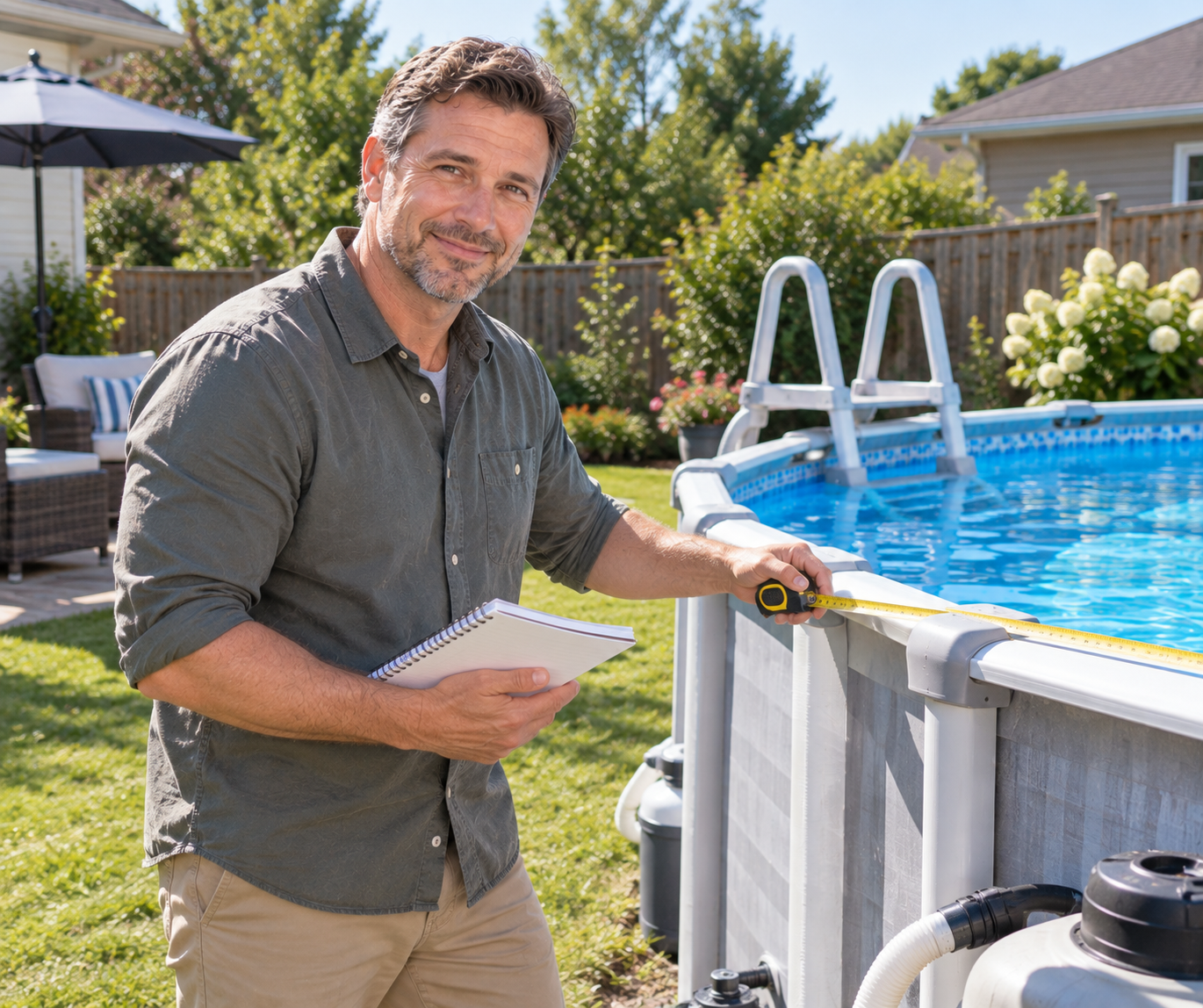

Fine silt settling across pool plaster and stubborn algae lines clinging to the waterline can turn regular pool ownership into a daily chore. Wrestling with cumbersome manual vacuum poles or dealing with tangled floating hoses eats up precious weekend hours that belong to swimming. That is why checking a reliable dolphin robotic pool cleaner comparison chart helps identify which automated cleaner fits your pool layout, liner material, and debris burden. Reviewing motor configurations, active brushing systems, and top-access filter baskets gives pool owners a clear path toward crystal-clear water with minimal manual scrubbing.
Standard pool filtration often needs assistance to manage dirt that settles in low-circulation dead spots across floor slopes. Whether you want to maintain a pristine in-ground pool or keep an above-ground basin sparkling before unwinding in the best therapy hot tub, automated cleaners provide steady relief. An organized dolphin robotic pool cleaner comparison chart lays out essential trade-offs between simple floor-only units, wall-climbing scrubbers, and handy maintenance accessories. Taking time to weigh cycle run times, cable swivels, and cartridge capacity ensures you pick a reliable setup that protects your pump system without driving up electric bills.



Frequently Asked Questions
How does a dolphin robotic pool cleaner comparison chart help identify the right model?
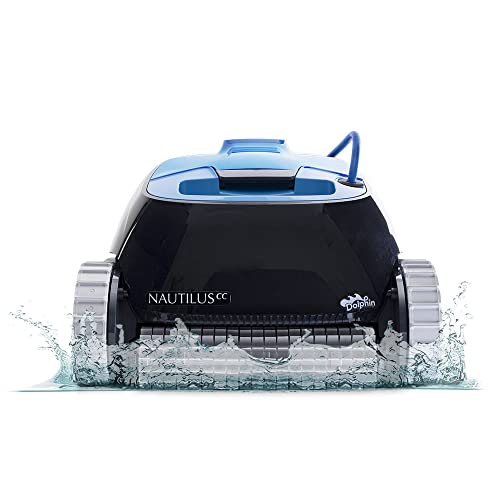
A comparison chart clarifies functional differences in wall climbing, cycle run times, and filtration systems across various models. Entry-level units like the Dolphin Nautilus AG focus strictly on pool floors for above-ground setups, while models like the Nautilus CC and Nautilus CC Plus add wall climbing and smart scanning for in-ground basins. Evaluating these specs side-by-side prevents paying for advanced features your specific pool shape does not need.
Can Dolphin robotic pool cleaners run safely on vinyl liners and fiberglass surfaces?
Yes, Dolphin robotic cleaners are designed to operate safely on vinyl liners, fiberglass, gunite, and pebble surfaces. Their active PVC scrubbing brushes loosen algae and grime without abrasive scratching or snagging delicate liner seams. For slick fiberglass walls, many pool owners replace worn rings with PVA climbing rings to maintain traction without slipping.
What is the difference between top-load filter baskets and cartridge conversion assemblies?
Top-load filter baskets offer quick, rinse-and-go debris removal from the top panel, whereas cartridge conversion kits upgrade older bottom-loading bag systems into fine pleated filters. A conversion assembly like the 9991414-R1 captures fine sand, pollen, and silt that mesh bags often miss. This upgrade saves older cleaners from premature retirement and streamlines weekly filter maintenance.
How do you prevent floating power cables from twisting and coiling into knots?
Regular unwinding and proper off-season storage on an accessory caddy keep power cables straight and tangle-free. While many higher-end models feature mechanical swivels, stretching the cord out on the pool deck in warm sunlight helps relax coiled memory. Storing the power supply cord neatly on a dedicated universal caddy protects internal wiring and extends equipment life.
Why should pool owners consider a robotic cleaner over a suction-side vacuum in 2026?
Robotic cleaners operate completely independently from the pool pump, drastically reducing energy usage and skimmer wear. Suction cleaners rely on pool plumbing and booster pumps, which pull heavy leaf loads straight into pump strainers. Maintaining proper backyard water hygiene feels much simpler with dedicated self-contained filtration, much like caring for a practical inflatable hot tub setup with its own pump system.
Are replacement climbing rings necessary for older Dolphin robotic cleaners?
Yes, replacing worn foam climbing rings restores wall grip on slick plaster and fiberglass walls. PVA climbing rings soften when soaked in water, providing the friction necessary for the cleaner to scale deep-end inclines and reach the waterline. Inspecting and replacing these rings regularly prevents your robot from stalling near bottom drains or spinning in place.




Write Your Review
No reviews yet. Be the first to share your experience!