
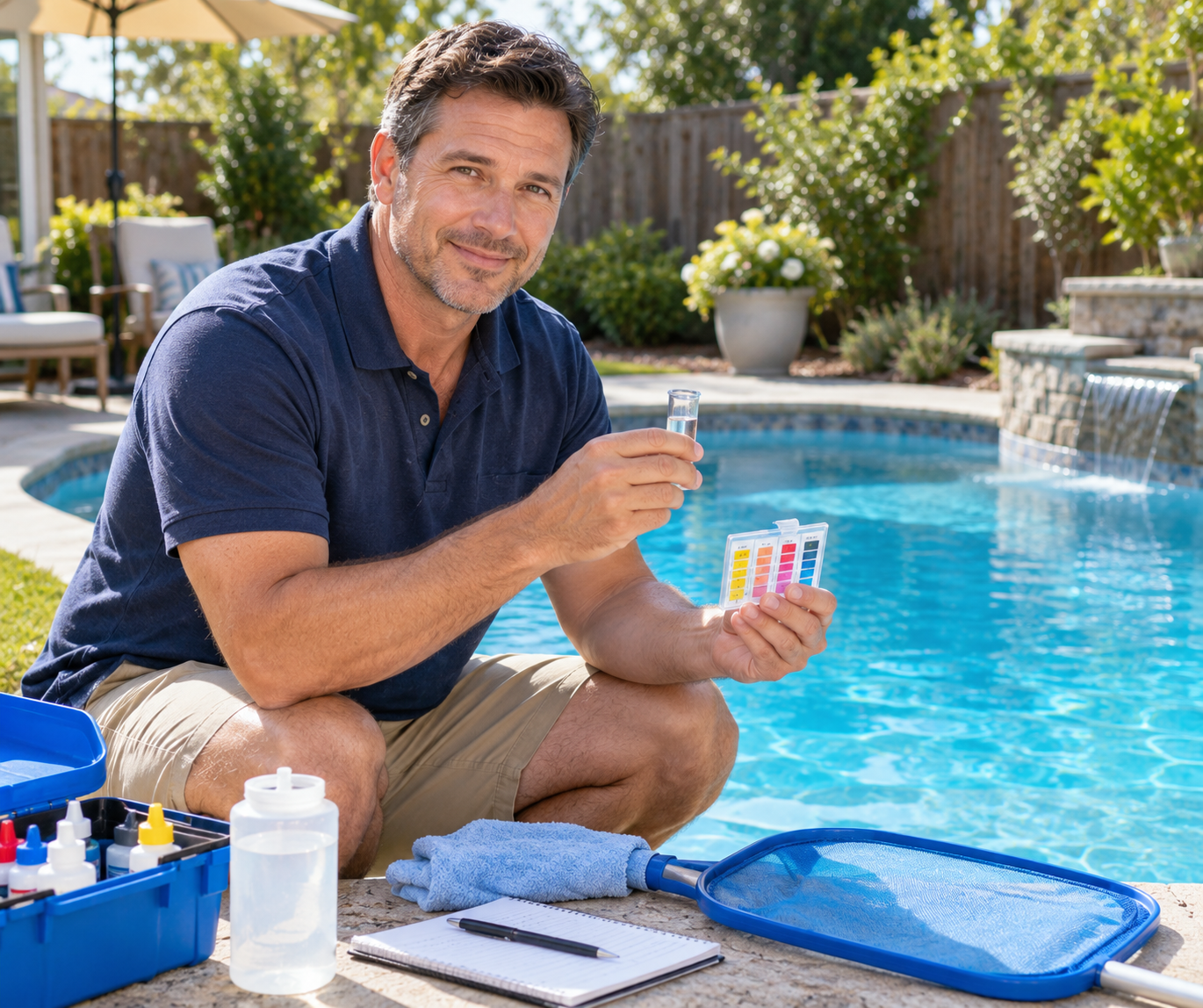

Stubborn waterline scum and thick mineral scale can quickly turn a weekend swim into an afternoon of hard scrubbing. Salt systems keep water silky and sanitize continuously, but they also create unique challenges like calcium crusting on electrolytic plates and stubborn tile stains. Maintaining proper flow and crystal-clear water requires dedicated tools that target organic waste, floating debris, and heavy mineral deposits. Investing in the best saltwater pool cleaner options helps you protect expensive equipment while cutting manual pole vacuuming down to zero. Consistent filtration keeps the water inviting, much like staying ahead of cold climate spa maintenance during the chillier months of the year.
Fine silt, blowing sand, and falling leaves often bypass primary skimmers and settle directly across bottom slopes or steps. Cordless robotic vacuums with strong suction and dedicated descaling solutions tackle both physical debris and chemical balance issues before cloudy water sets in. Modern automatic skimmers and cell treatments relieve stress on your pump, ensuring reliable wall climbing and efficient surface skimming without tangled cords or booster pumps. Pairing these tools with high-grade descalers keeps your saltwater generator producing clean chlorine all season long without harsh scrubbing.


Frequently Asked Questions
How often should you clean a salt chlorinator cell?
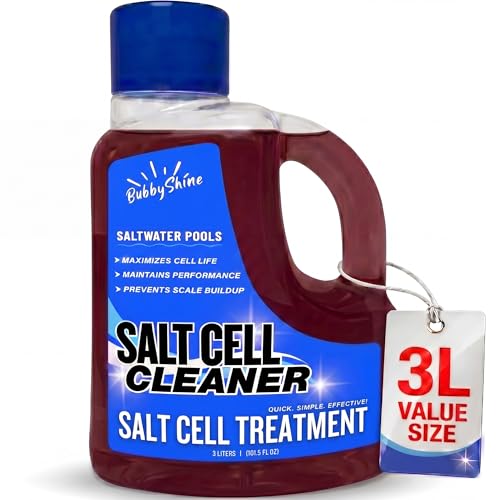
Most pool systems require salt cell inspection and cleaning every 60 to 90 days. Calcium scale naturally forms on the titanium plates during electrolysis, which restricts water flow and lowers chlorine output. Using a dedicated salt cell cleaner eliminates mineral crusting without the hazards of raw muriatic acid. Routine cleaning prevents early cell failure and keeps your chlorine levels stable throughout 2026.
Can standard robotic pool cleaners operate safely in saltwater?
Yes, provided the robotic cleaner features corrosion-resistant motors and sealed components rated for salt exposure. Salt concentrations under 5,000 ppm are generally safe for sealed units, but unrated models may experience premature rusting on metal axles and drive shafts. Rinsing your cleaner with fresh hose water after each cleaning cycle prevents salt crystallization inside motor housings and track assemblies.
How do pool enzyme treatments prevent waterline scum rings?
Natural pool enzymes break down non-living organic waste like sunscreen, skin oils, and pollen before they bond to pool tiles. Saltwater pools run slightly higher in pH, which accelerates scum formation along the perimeter tile line. Adding a regular dose keeps the waterline clean and extends filter cartridge life, much like balancing water in portable inflatable spas prevents perimeter residue.
What features define the best saltwater pool cleaner for surface debris?
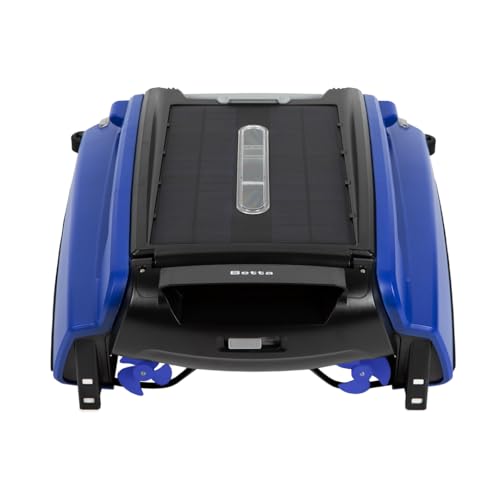
Salt-tolerant motors and high-capacity collection baskets define the most reliable surface cleaners for saltwater environments. Units like solar-powered skimmers glide continuously across the water to capture leaves and insects before they sink and decompose. Removing organic matter at the surface lowers chlorine demand, giving your salt generator more breathing room to maintain proper sanitizer levels.
Are pre-mixed salt cell cleaning solutions safer than muriatic acid?
Yes, pre-mixed solutions are significantly safer and gentler on your equipment than raw acid washes. Straight muriatic acid produces dangerous fumes and can strip the delicate ruthenium coating from your salt cell plates if left too long. Pre-formulated descalers dissolve calcium carbonate deposits safely without pitting the metal or creating harsh chemical splashes.
Can regular pool filter cleaners improve saltwater circulation?
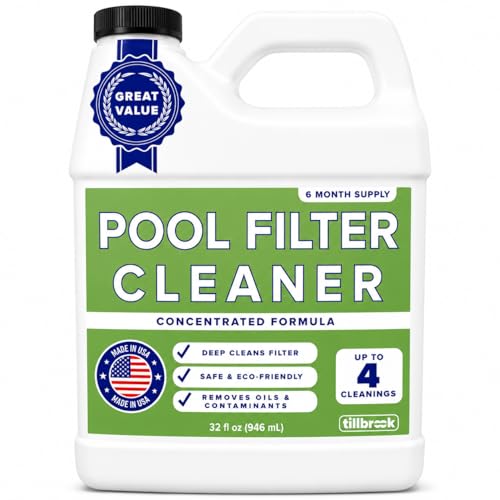
Yes, deep cleaning your filter cartridges every three to four months restores optimal water flow throughout the plumbing system. Salt chlorinators feature built-in flow switches that shut off chlorine generation whenever pump pressure drops due to clogged filter media. Concentrated filter soaking removes embedded sunscreen, body oils, and mineral scale to keep water moving freely across the generator cell.



Write Your Review
No reviews yet. Be the first to share your experience!