
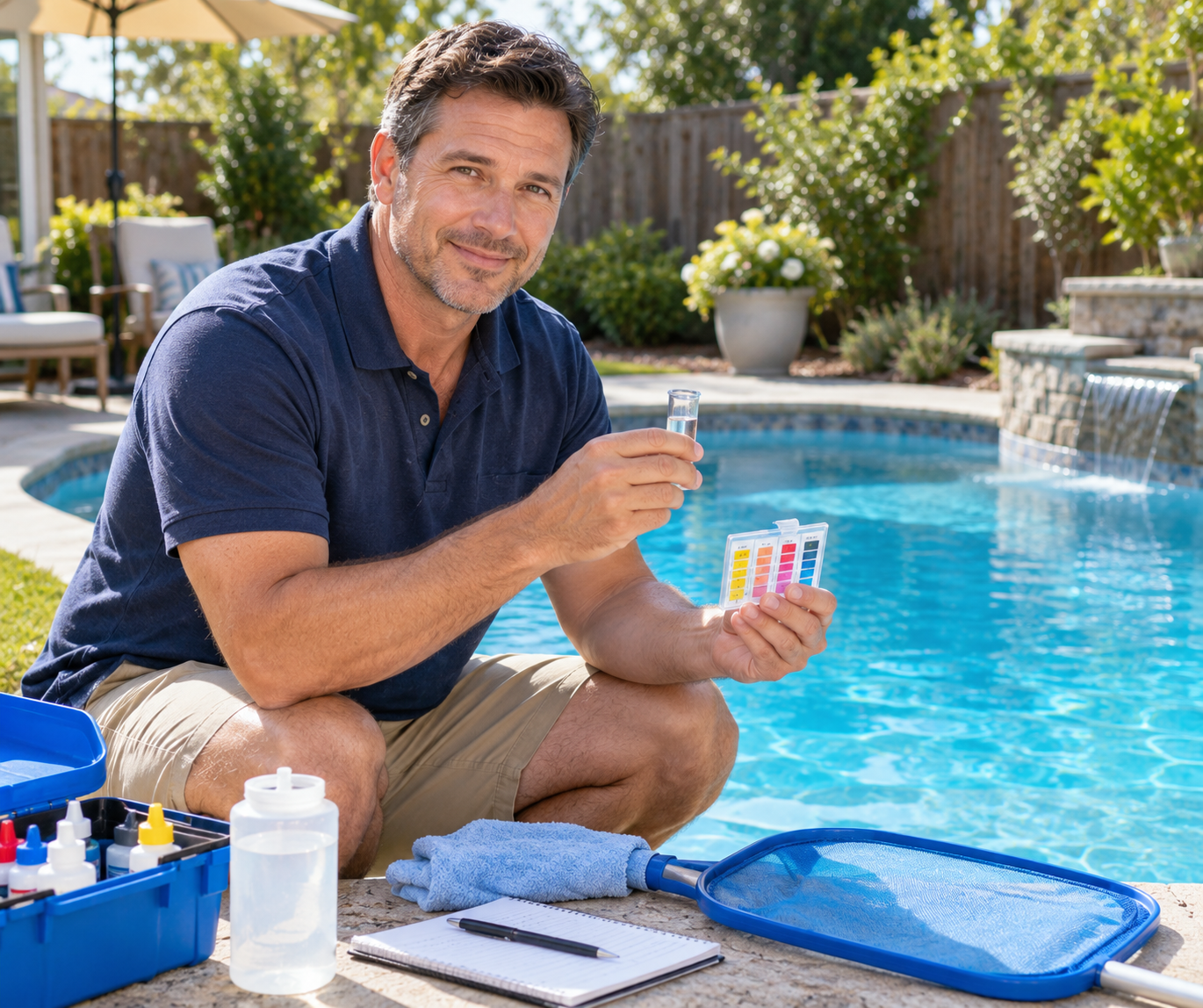

Fine sand settling across the bottom slope and stubborn grime building up along the waterline can quickly drain the joy out of owning a pool. Pushing a manual pole vacuum in the summer heat takes hours, and tangled suction hoses often leave stubborn debris behind in corner dead spots. Selecting a dependable robotic pool cleaner best setup takes the physical labor out of your weekend routine by automating floor scrubbing and wall climbing with self-contained power. Based on our detailed comparison of filtration ratings, motor types, and user feedback, modern automated cleaners capture everything from coarse leaves down to microscopic silt without bogging down your main skimmer basket.
Modern units run independently of your primary pool pump, which cuts electrical strain and keeps equipment operating smoothly throughout the swimming season. Many models offer top-loading filter canisters and high-grip tracks that handle fiberglass, vinyl liners, or gunite surfaces without slipping or scuffing. While you spend less time brushing plaster and more time relaxing by the water, you might also consider backyard comforts like the best hot tub brands reddit users favor for low-maintenance patio soaking. Investing in the right automated vacuum means crystal clear water, minimal back strain, and effortless weekly upkeep.



Frequently Asked Questions
Do robotic pool cleaners work safely on vinyl liner pools?
Yes, most robotic models feature smooth rubber tracks and soft PVC active scrubbing brushes designed specifically to protect delicate vinyl liners. These tracks distribute weight evenly so the cleaner climbs walls without pinching or stretching the liner seams. Always confirm that your specific model is rated for vinyl surfaces before dropping it in.
How often should you clean the internal filter basket?
You should rinse the debris basket after every single cleaning cycle for optimal suction performance. Allowing wet leaves, sand, and fine silt to sit inside the basket can restrict water flow and strain the drive motors over time. A quick spray with a garden hose removes trapped dirt in seconds.
Can a cordless robotic pool vacuum handle deep-end slopes and main drains?
Yes, advanced multi-motor systems and continuous tracks allow cordless cleaners to navigate floor transitions and slopes smoothly. Built-in obstacle clearance lets the unit glide over raised main drain covers without getting beached. When battery power drops, smart auto-parking guides the cleaner directly to the pool edge for simple retrieval.
What is the main advantage of a robotic cleaner over a suction-side vacuum?
Robotic cleaners operate on low-voltage electricity independently from your pool pump and filtration system. This self-contained design captures fine silt in its own internal canister rather than dumping debris directly into your skimmer or pump basket. The setup saves substantial electricity and prevents premature pump wear.
Can you leave your robotic pool cleaner in the water between cycles?
No, keeping the robotic cleaner submerged permanently can degrade its seals, rubber tracks, and internal electronics due to pool sanitizers. Chemical exposure from chlorine, along with harsh sunlight, weakens plastic components and shortens the machine’s operating life. Pull the cleaner out once its cycle ends, rinse it with fresh water, and store it in a shaded spot.
How do you care for equipment when balancing year-round patio maintenance?
Rinsing your pool equipment and storing it out of direct sunlight preserves motor seals throughout 2026. Just as you would prepare the best hot tub for winter use during cold months, storing your pool cleaner indoors during freezing temperatures prevents internal damage. Consistent preventative maintenance keeps all your backyard water systems running efficiently.




Write Your Review
No reviews yet. Be the first to share your experience!