
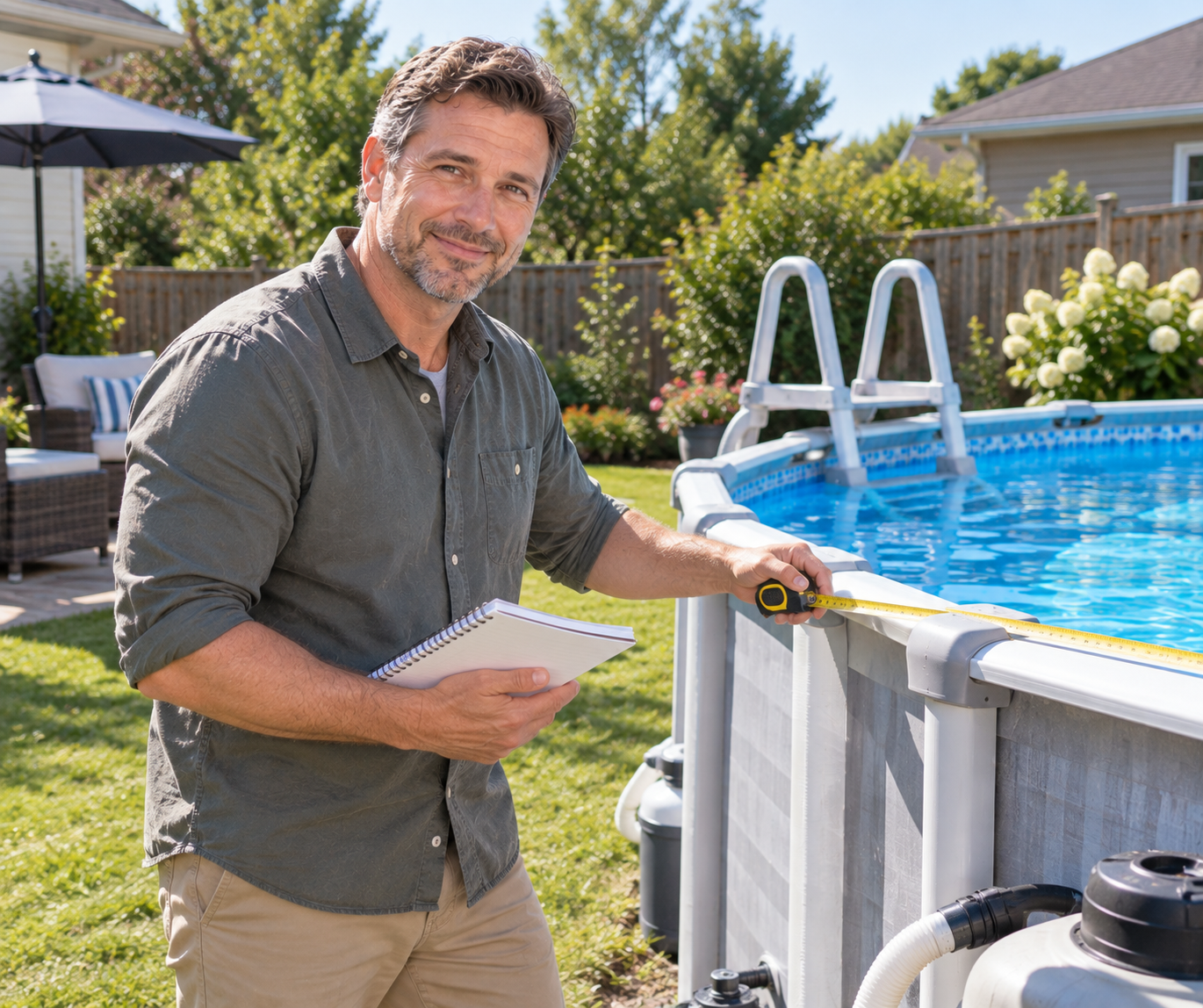

Fine sand, blowing silt, and stubborn algae films quickly turn weekend swimming into tedious pole scrubbing. Heavy debris settling along pool floor slopes wastes hours that pool owners would rather spend relaxing, perhaps after exploring whether should I buy an inflatable hot tub for simple backyard hydrotherapy. Upgrading to the best automatic pool cleaner on the market eliminates hand vacuuming by scrubbing floor surfaces, capturing silt, and restoring clear water. Based on specifications and user feedback, modern units handle heavy leaf falls and microscopic dirt with minimal fuss.
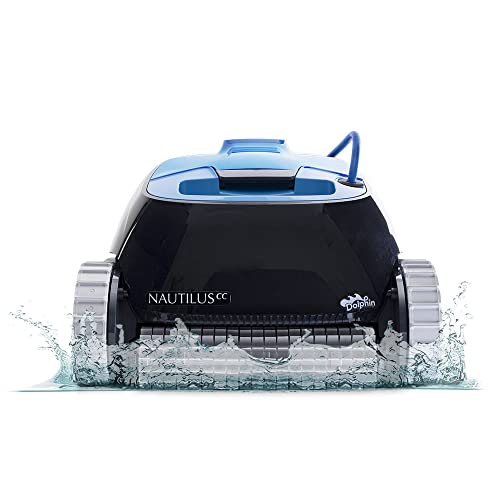
Suction models plug directly into skimmer lines, while standalone robotic cleaners run on independent electric motors to spare your pool pump. Owners seeking quiet yard equipment, like those unwinding with the best therapy hot tub, appreciate automated cleaners that do not require constant monitoring. Track drives and smart steering keep units moving across floor drains, delivering dependable wall climbing and thorough waterline scrubbing without scuffing pool finishes.


Frequently Asked Questions
What is the main difference between suction-side and robotic pool cleaners?
Robotic pool cleaners operate independently using internal motors and onboard filters, while suction-side models rely directly on your pool pump and skimmer plumbing. Robotic units reduce filter backwashing and capture fine silt without needing long vacuum hoses across the pool deck. Suction cleaners provide an economical alternative if your pump delivers adequate flow. Many pool owners who browse community discussions, similar to comparing the best hot tub brands reddit threads detail, choose robotic vacuums for effortless maintenance.
Can the best automatic pool cleaner on the market climb walls on vinyl liners and fiberglass?
Yes, models equipped with continuous rubber tracks or flexible finned discs easily climb vinyl and fiberglass walls without scratching. Track-driven units maintain traction on slick surfaces, scrubbing right up to the waterline. However, entry-level flat-bottom vacuums lack wall-climbing mechanics and only clean level floors.
How do automatic pool cleaners avoid getting stuck on main drains?
Pre-programmed steering sequences and mechanical wheel deflectors prevent cleaners from hanging up on raised drain covers. Units with internal gear systems reverse direction automatically when meeting resistance. Adjusting hose float positions also helps maintain balance across uneven pool bottoms.
Do robotic pool cleaners work safely in saltwater pools?
Yes, automatic cleaners operate safely in saltwater as long as you rinse them with fresh water after each cycle. Salt accumulation can degrade motor seals and metal axles over time. Proper storage protects components from outdoor weather, just as seasonal care preserves the best hot tub for winter use during cold spells.
How often should you empty the cleaner filter basket?
Empty the debris basket or canister after every cleaning cycle to ensure maximum suction and motor life. Trapped leaves and silt choke internal water flow, reducing cleaning efficiency. Quick rinsing keeps the best automatic pool cleaner on the market performing at its peak all through 2026.



Write Your Review
No reviews yet. Be the first to share your experience!