
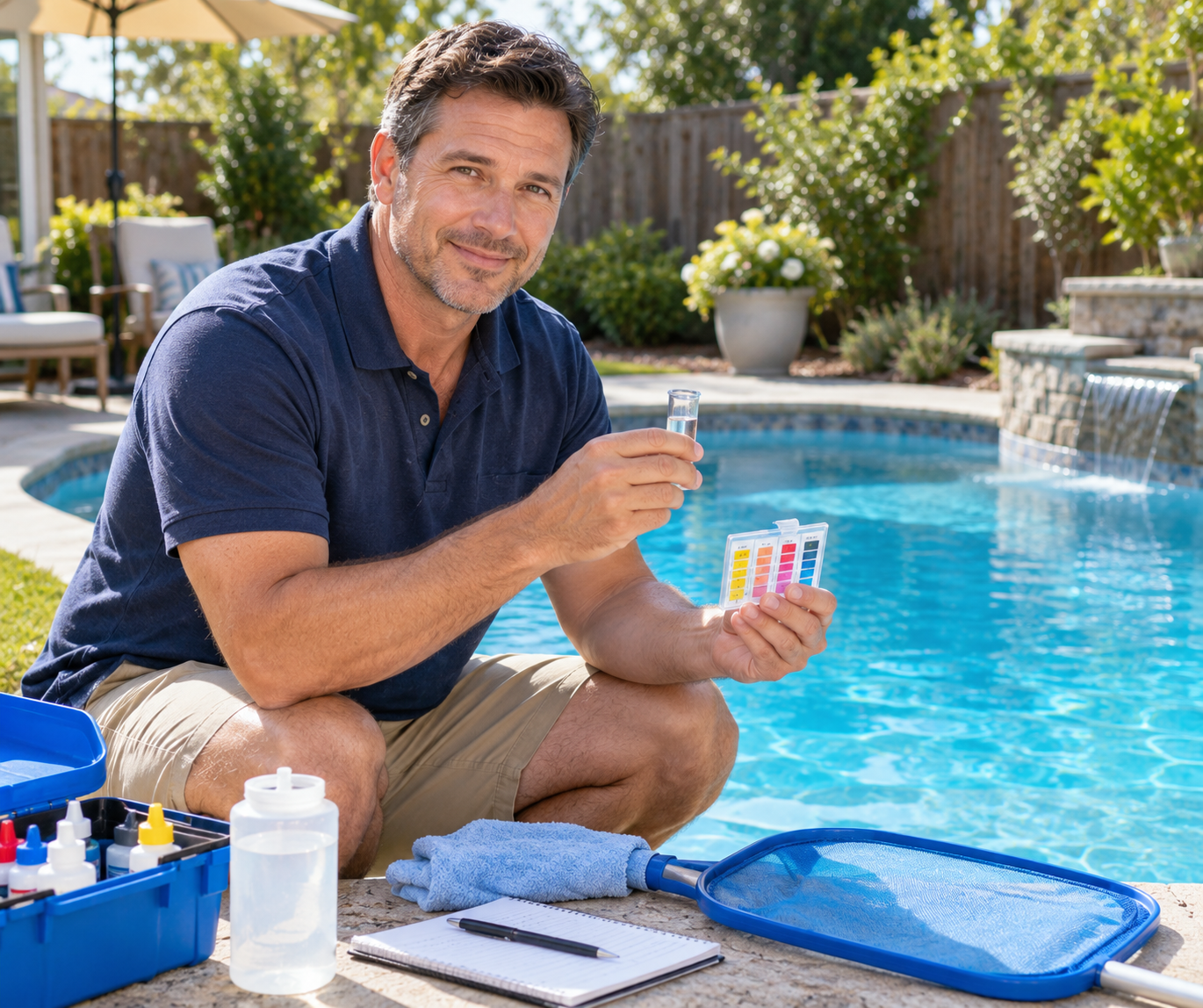

Fine silt and stubborn algae settle into bottom floor crevices faster than most skimmers can pull them out. Pushing a manual pole vacuum across heavy plaster under the blazing sun drains the fun out of owning a pool. Investing in the best value automatic pool cleaner gives you your weekends back by scrubbing away settled debris without raising your energy bill. Modern cleaners handle everything from fine sand to heavy autumn leaves, keeping water circulation crisp. Whether managing a swimming pool or planning a patio relaxation area with a winter hot tub setup, automated tools save hours of manual scrubbing.
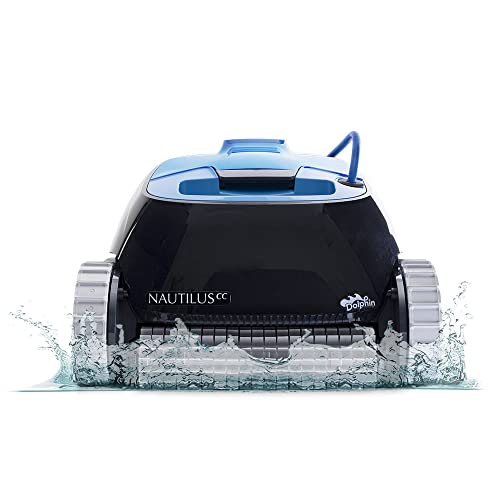
Based on product specifications and user feedback, automatic cleaners split into suction-side sweepers and standalone robotic vacuums. Suction cleaners connect directly to your skimmer, using pump suction to climb walls and pull debris into your filtration system. Standalone cordless robotic units run on rechargeable lithium batteries, capturing silt in on-board baskets without adding backpressure to your pump. Selecting the right design depends on your pump horsepower, surface type, and yard debris levels. A reliable best value automatic pool cleaner keeps your water swim-ready with minimal effort.



Frequently Asked Questions
How do robotic cleaners compare to suction-side cleaners for overall value?
Robotic cleaners run independently on low-voltage electricity, whereas suction-side cleaners rely on your pool pump. Suction models offer lower upfront costs and attach directly to your skimmer line, needing at least a 3/4 horsepower pump. Robotic units feature on-board motor drives and top-loading filter baskets that capture fine silt without dirtying your main sand or cartridge filter. Both options save substantial maintenance time over manual vacuum poles.
What minimum pump flow rate do suction-side pool cleaners need to function properly?
Most suction-side cleaners require at least a 3/4 horsepower pump or a minimum flow rate of 1600 to 1700 GPH. Pumps below this threshold may struggle to push the cleaner up slopes or across textured pool floors. Bleeding air completely out of the hose sections prevents air pockets from causing pump cavitation. Adjusting the dedicated regulator valve balances suction between the skimmer and the cleaner.
Can the best value automatic pool cleaner safely clean vinyl liner pools without causing damage?
Yes, cleaners built with smooth tracks, scuff-resistant hoses, and flexible discs safely vacuum vinyl liners. Models like the Zodiac G3 use a 36-fin disc to glide over seams and drain covers without catching. Soft rubber components prevent surface friction and liner scuffs. Balancing your water chemistry also preserves vinyl elasticity, much like managing water balance in an inflatable hot tub maintenance guide.
How long does a cordless robotic pool vacuum battery typically last on a single charge?
Modern cordless robotic cleaners run for approximately 120 to 190 minutes on a full battery charge. Recharge times typically take between 2.5 and 3 hours using a standard wall charger. Most cordless vacuums automatically park against the pool wall when their cycle finishes or battery levels drop. This runtime is ample for in-ground pools up to 2,000 square feet.
Do automatic pool cleaners work well in saltwater swimming pools?
Yes, automatic cleaners operate safely in saltwater pools when rinsed regularly with fresh water. Salt chlorination systems do not harm the cleaner body, but residual salt can accumulate on moving diaphragms or track bearings over time. Rinsing the unit with a garden hose after each cycle keeps internal seals clean. Storing the cleaner in the shade when not in use also prevents sun and salt wear.



Write Your Review
No reviews yet. Be the first to share your experience!