
Yes, Dolphin pool cleaners are designed to pick up algae, but their effectiveness depends heavily on the specific model and the stage of the algae growth. Most robotic units use fine filtration systems that capture dead algae spores and small organic particles as they move across the pool floor and walls. However, a cleaner cannot replace chemical balancing if you have an active, heavy green bloom; it works best as a maintenance tool to keep water clear once the chemistry is stable.
Understanding the difference between live algae and dead algae debris is crucial for setting realistic expectations. Many owners find that their robot handles the fine silt and dead spores effectively, especially models with pleated filter cartridges. If you are dealing with persistent algae, checking your water balance is the first step. For guidance on maintaining clear water, our pool maintenance basics offer useful context on routine care.






How Dolphin Cleaners Handle Algae Debris
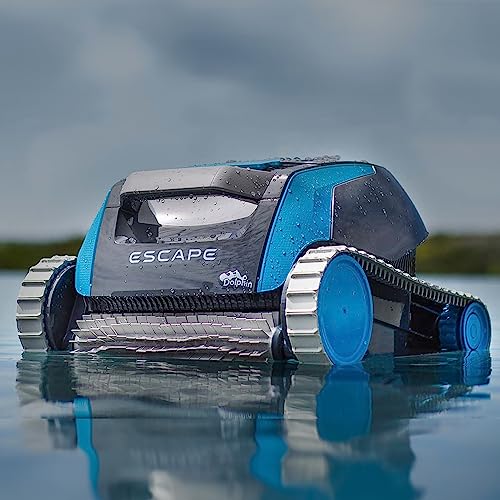
Dolphin robotic cleaners address algae through a combination of suction power and filtration media. The machine does not kill the algae; it removes the physical material from the water. This distinction is vital because an active algae bloom requires chemical shock treatment to eliminate the living organisms. Once the algae are dead, they break down into small, dark particles that settle on the pool surface. The robot’s vacuum function then sucks these particles into its internal filter.
| Component | Function in Algae Removal |
|---|---|
| Filtration Cartridge | Captures fine silt, dead spores, and microscopic debris. |
| Suction Motor | Creates the airflow needed to lift debris from the floor. |
| Scrub Brush | Loosens algae film stuck to walls and steps. |
| Navigation System | Ensures the robot covers all areas where algae settles. |
The efficiency of this process varies by model. Some units feature larger filter baskets that hold coarse debris, while others use pleated cartridges that trap finer particles. For a pool with a mild algae presence, a standard basket might suffice for larger flakes. However, for fine, powdery dead algae, a pleated cartridge is often more effective. The listed specifications for many Dolphin models highlight their ability to filter down to specific micron ratings, which directly impacts how well they handle fine silt and algae dust.
Before running the cleaner, it is helpful to inspect the current state of the filter. A clogged filter reduces suction, which can prevent the robot from picking up heavier debris. Rinsing the filter basket or cartridge with a garden hose before starting a cycle ensures the unit operates at full capacity. This simple maintenance step can significantly improve the cleaner’s performance during algae management.
Here are the key factors that influence how well a Dolphin cleaner handles algae-related debris:
- Filtration type: Pleated cartridges capture finer particles than coarse mesh baskets.
- Suction power: Stronger motors lift heavier, wet algae clumps from the floor.
- Cycle duration: Longer cycles allow more time to cover the entire pool surface.
- Scrub brush presence: Active brushes help loosen algae film from vertical walls.
- Pool size: Larger pools may require models with higher coverage rates.
Understanding Algae Stages and Cleaner Limits
Algae in a pool typically progresses through three visible stages: yellow/green, green, and black. Each stage presents different challenges for a robotic cleaner. Yellow algae, often caused by high phosphate levels, can form a slimy film on surfaces. A robot with an active scrub brush may help remove this film, but it will not stop the growth if the water chemistry is unbalanced. Green algae, which floats in the water column, can clog filters quickly if not addressed with shock treatment.
Black algae is the most difficult to manage. It forms hard, dark spots on the pool surface that require specific chemical treatments and physical scrubbing. A standard robotic cleaner is generally not equipped to remove established black algae colonies. These spots often need to be treated with a dedicated algicide and manually brushed before the robot can clean up the remaining debris. Relying solely on the robot for black algae will likely result in persistent staining and recurring growth.
It is important to note that the robot’s role is maintenance, not remediation. If you notice a sudden increase in algae, do not just run the cleaner more often. Instead, test your water balance, adjust chlorine levels, and consider a shock treatment. Once the water is clear and the algae are dead, the robot can then efficiently vacuum up the resulting debris. This two-step approach is far more effective than trying to out-clean a biological bloom with suction alone.
Filtration Types and Debris Capture
The type of filtration system installed in your Dolphin model determines what size particles it can capture. Coarse mesh baskets are excellent for leaves, twigs, and large chunks of dead algae. They are easy to clean and can hold a significant amount of debris. However, they allow fine silt and microscopic algae spores to pass through, which can keep the water looking cloudy even after a cleaning cycle.
Pleated filter cartridges, on the other hand, offer a much larger surface area for trapping fine particles. Many Dolphin models, such as the Nautilus and Proteus series, use these cartridges for superior water clarity. If your main concern is fine algae dust or silt, a model with a pleated cartridge is a better choice. The manufacturer often lists the micron rating for these filters, which indicates the smallest particle size they can capture. A lower micron rating means finer filtration.
Some higher-end models feature dual filtration systems or oversized debris cartridges. These are designed to handle heavy debris loads without clogging quickly. For pools in areas with heavy leaf drop or frequent algae issues, these larger filters can be a practical advantage. They reduce the frequency of filter changes and ensure that the robot maintains consistent suction throughout the cycle.
Scrubbing vs. Vacuuming Algae Film
While suction removes loose debris, algae often forms a sticky film on pool walls, steps, and the waterline. This film is difficult to remove with suction alone because it adheres tightly to the surface. Models equipped with active scrub brushes address this issue by physically agitating the surface. The brush rotates or moves back and forth, loosening the algae film so that the suction can pick it up.

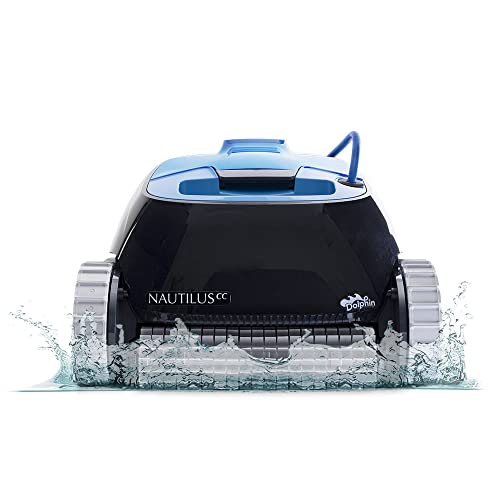
Not all Dolphin models have active scrub brushes. Some rely on passive brushes or no brushes at all. If your pool has a tendency to develop algae film on the walls, look for a model with a wall-climbing capability and an active scrubbing system. The Nautilus CC and Proteus DX series, for example, are known for their wall-scrubbing features. These models can climb the vertical walls and scrub the surface as they move, helping to keep the waterline clean.
For pools with smooth fiberglass or vinyl liners, it is important to ensure the brush is gentle enough to avoid scratching the surface. Most Dolphin brushes are made from soft materials that are safe for these finishes. However, if you have a delicate surface, check the product specifications to confirm compatibility. A gentle scrub is preferable to an aggressive one that might damage the liner over time.
Model Distinctions for Algae Management
Different Dolphin models are designed for different pool sizes and cleaning needs. The Nautilus AG is ideal for above-ground pools and focuses on floor cleaning with an active scrub brush. It is a good choice for smaller pools where algae tends to settle on the bottom. The Nautilus CC, on the other hand, is designed for both above-ground and in-ground pools and features wall-climbing capabilities. This makes it more versatile for pools with algae on the walls and waterline.
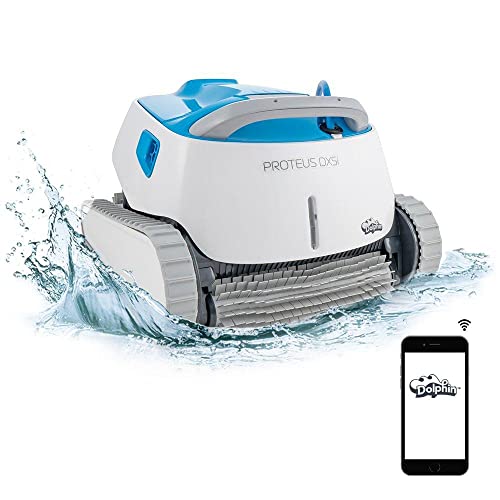
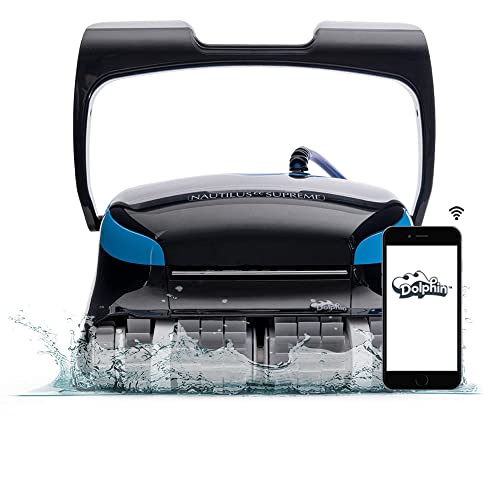
The Proteus series targets larger in-ground pools and offers advanced features like Wi-Fi connectivity and smart navigation. These models are often equipped with more powerful filtration systems and scrubbing brushes. If you have a large pool and frequent algae issues, a Proteus model may be a better fit. The smart navigation helps ensure that the robot covers every inch of the pool, reducing the chance of missed spots where algae can grow.
When choosing a model, consider the size of your pool and the specific areas where algae tends to appear. If your algae is mostly on the floor, a floor-focused model may be sufficient. If you have algae on the walls and waterline, a wall-climbing model with a scrub brush is essential. Matching the cleaner’s capabilities to your pool’s specific needs will help you manage algae more effectively.
Maintenance Tips for Algae-Prone Pools
Regular maintenance of your pool cleaner is crucial for keeping algae under control. After each cleaning cycle, empty the filter basket or remove the cartridge and rinse it thoroughly. This prevents the buildup of debris that can reduce suction and clog the system. If you are dealing with heavy algae, you may need to clean the filter more frequently, even mid-cycle if the robot stops moving.
Check the wheels and tracks for debris or damage. Clogged tracks can prevent the robot from moving properly, leading to missed areas. Clean the tracks with a damp cloth and ensure they are free of hair and leaves. Also, inspect the power cable for any signs of wear or damage. A damaged cable can be a safety hazard and may cause the robot to stop working unexpectedly.
Store the robot in a cool, dry place when not in use. Exposure to extreme temperatures or direct sunlight can degrade the plastic components and seals. A storage caddy can help keep the robot organized and protected. By maintaining your cleaner properly, you ensure that it is ready to handle algae debris whenever you need it.
Here is a quick checklist for maintaining your pool cleaner in algae-prone conditions:
- Rinse the filter basket or cartridge after every use.
- Inspect the scrub brush for embedded debris.
- Clean the drive tracks and wheels regularly.
- Check the power cable for wear or damage.
- Store the robot in a protective caddy when not in use.
Water Balance and Chemical Synergy
No pool cleaner can replace proper water chemistry. Algae thrives in unbalanced water, particularly when chlorine levels are low or pH is out of range. If you find that your robot is struggling to keep up with algae, it is likely a sign that your water balance needs attention. Test your water regularly and adjust chlorine, pH, and alkalinity levels as needed.
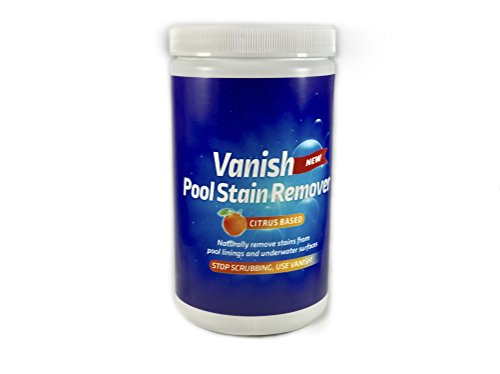
Using an algaecide can also help prevent algae growth. Apply the algaecide according to the manufacturer’s instructions and then run the robot to clean up any remaining debris. This combination of chemical prevention and physical cleaning is the most effective way to manage algae. The robot handles the physical removal, while the chemicals handle the biological control.
If you are unsure about how to balance your water, consider consulting a pool professional. They can test your water and recommend the appropriate chemicals and adjustments. Once your water is balanced, your pool cleaner will work more efficiently, and you will spend less time dealing with algae issues. For more on water chemistry, see our guide to pool care for additional insights.
In summary, Dolphin pool cleaners are effective at picking up dead algae debris, but they are not a standalone solution for active algae blooms. By understanding the role of filtration, scrubbing, and water balance, you can use your robot to its full potential. Keep your water chemistry in check, maintain your cleaner, and choose a model that matches your pool’s specific needs. This approach will help you keep your pool clear and algae-free with less effort.




Write Your Review
No reviews yet. Be the first to share your experience!