
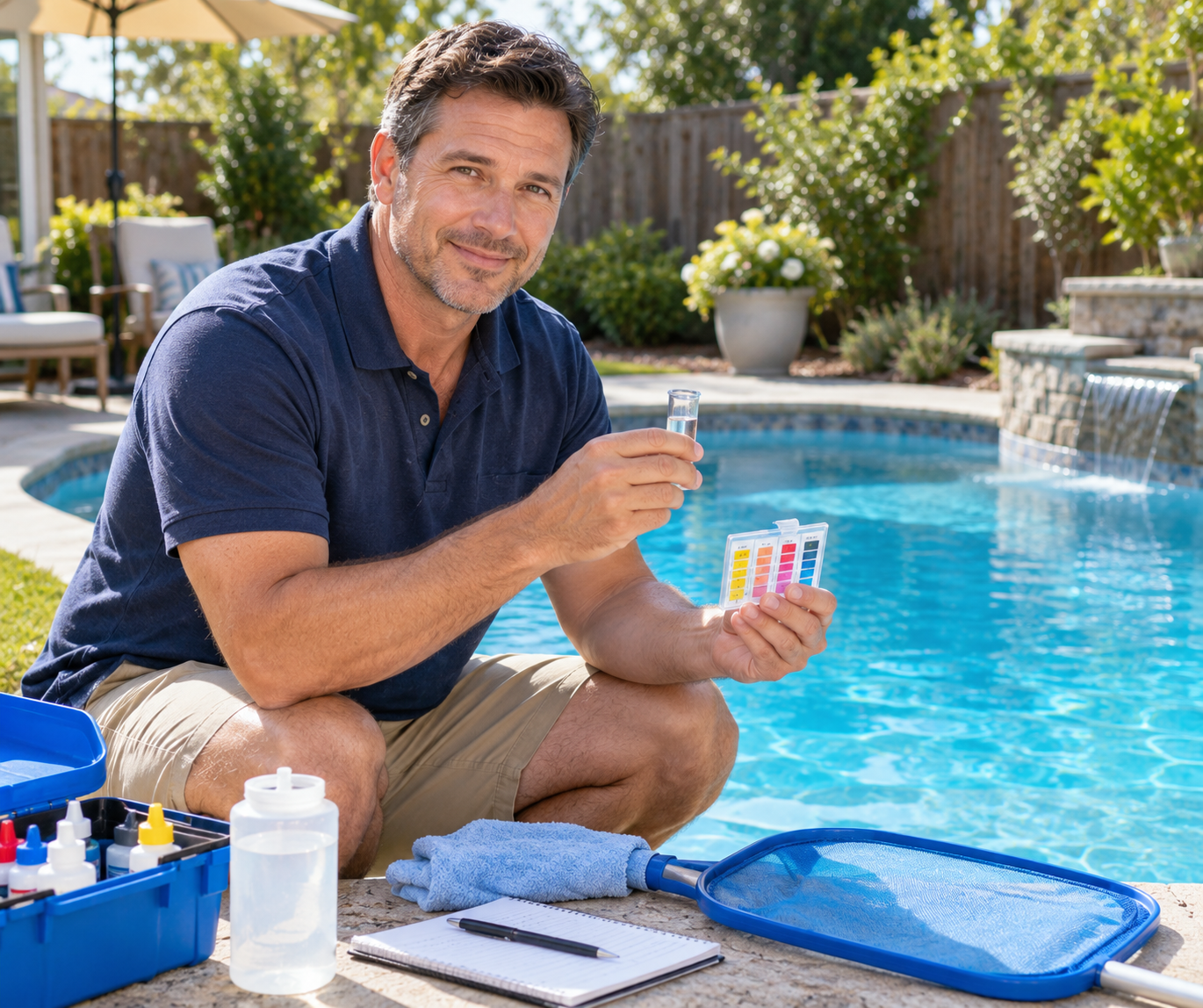

Stepping out to the patio for an evening soak only to find a dull, milky haze instead of pristine water can quickly disrupt your relaxation plans. Understanding why hot tub water is cloudy requires looking beneath the surface at the delicate balance between sanitizing biocides, mechanical filtration cycles, and organic bather waste. When microscopic particles remain suspended in warm water, they scatter light rather than allowing it to pass cleanly through to the acrylic shell. Securing the spa with a durable hot tub cover with warranty protection shields your water from windblown debris, but internal water chemistry remains the primary driver of clarity.
Water clarity is more than just an aesthetic issue for spa owners. A cloudy hot tub often signals inactive sanitizer residuals, unbuffered pH drift, or overloaded cartridge filters that struggle to capture fine contaminants. Addressing these underlying factors promptly protects internal plumbing manifolds and prevents skin irritation among bathers. By diagnosing whether the issue stems from chemical imbalances, heavy organic loads, or inadequate circulation, you can restore crystal-clear soaking conditions without wasting time or chemicals.


Pros
- Coagulates micro-particles so standard spa cartridge filters can trap fine debris
- Designed to clarify cloudy water without altering overall pH balance
- Simple application procedure using active spa jets for rapid circulation
- Compact 1-pint bottle is easy to store alongside routine hot tub chemicals
Cons
- Requires a clean, functioning filter cartridge to physically remove the clumped debris
- Over-dosing can lead to temporary haziness, requiring careful measurement based on spa gallon capacity
- Does not replace primary sanitizers or shock treatments for bacteria and heavy organic buildup
AquaDoc Hot Tub Clarifier is a concentrated liquid treatment designed to clear cloudy water and support routine cartridge filtration. It best suits hot tub owners, vacation rental hosts, and busy homeowners who experience dull or hazy water resulting from bather load, body lotions, or fine airborne debris. Instead of waiting for microscopic suspended solids to slowly cycle out through standard circulation, this formula acts as a coagulant to bundle tiny particles together so spa filters can trap them efficiently.
Microscopic dirt particles are frequently smaller than the micron rating of standard hot tub cartridge filters, allowing them to bypass filter pleats and keep the water looking hazy. AquaDoc works by attracting these micro-particles like a magnet, creating larger agglomerations that the filter media can physically catch. Running spa jets and blowers during application accelerates circulation, allowing the treatment to disperse evenly throughout the tub and push debris toward the skimmer intake.
Maintaining water balance is a central part of spa ownership, and chemical additions that swing pH can trigger scale or skin irritation. This clarifier is formulated to clear water without upsetting established pH levels, which helps avoid cascading chemical adjustments. By pulling floating debris out of suspension, it helps cartridge filters capture dirt effectively, though regular filter rinsing remains essential to flush away the collected material.
Applying the clarifier fits easily into weekly spa care routines without complicated steps. The manufacturer directions suggest adding 2 ounces for every 800 gallons of water while the jets or blowers are active, continuing filtration until the water turns clear. For standard residential tubs, which often hold between 300 and 450 gallons, measuring out roughly 1 ounce twice a week provides consistent water maintenance without over-treating.
While clarifiers improve mechanical filtration, they are not a substitute for proper sanitizer levels, oxidizers, or routine filter cleaning. If a hot tub filter cartridge is already loaded with oils or scale, adding a clarifier will yield limited results until the filter is thoroughly rinsed or degreased. Additionally, overdosing clarifier can have an inverted effect, where excess polymers temporarily cloud the water, making accurate measurement essential.
AquaDoc Hot Tub Clarifier is a reliable, practical addition to any spa chemical cabinet for clearing minor haziness and supporting regular filtration. Before adding it to your spa, verify your water sanitizer levels, test baseline pH, and inspect your cartridge filter to ensure it is clean and ready to trap the gathered particles. Hot tub owners looking for a low-fuss way to preserve water clarity between water changes will find good everyday value here.
Using AquaDoc Hot Tub Clarifier effectively requires basic attention to spa capacity and filtration cycles. The listed dosage is 2 ounces for every 800 gallons of water, meaning most typical residential hot tubs holding 350 to 400 gallons require approximately 1 ounce per application. Adding the measured dose twice weekly with the circulation jets running ensures thorough dispersion across the entire spa shell.
Because the clarifier works by grouping tiny particles into larger debris, your spa filter cartridge does the physical work of removing the cloudiness from the water. Running the filtration cycle until the water clears is essential, followed by a quick garden-hose rinse of the filter pleats to prevent the trapped coagulants from restricting water flow.

Diagnosing and Resolving Cloudy Hot Tub Water
Cloudiness in hot tub water is almost never a single isolated defect; rather, it is a visible symptom of underlying physical, chemical, or biological imbalances. Resolving the condition begins with identifying which mechanical or chemical safeguards have lapsed in your routine care schedule. When addressed systematically, restoring water clarity is a straightforward process that protects your equipment and ensures a clean, sanitary soak.
What Suspended Particles Do to Spa Water
Cloudiness in a hot tub occurs when millions of microscopic colloidal particles float suspended in the water column instead of settling or getting caught in the filter. These micro-contaminants typically measure between 0.5 and 5 microns in diameter, which is small enough to pass right through standard pleated polyester filter fabric. As ambient light penetrates the surface, these tiny particles refract and scatter the rays, transforming pristine water into a dull, turbid, or milky liquid. Identifying the exact nature of these suspended solids is the first practical step toward clearing the spa.
Turbidity generally falls into three distinct categories: biological matter, mineral precipitation, or insoluble organic oils. Biological haze develops when living or dead bacteria, algae spores, and cellular debris accumulate faster than your sanitizer can oxidize them. Mineral haze happens when dissolved minerals come out of solution due to shifts in water temperature or chemical saturation. Insoluble oils stem from bather products that emulsify in warm, agitated water. Each source behaves differently, but they all produce the same frustrating milky appearance across the vessel.
Depleted Sanitizer Residuals and Bacterial Blooms
The most frequent culprit behind cloudy spa water is an inadequate level of active, free sanitizer. Whether you use chlorine or bromine, the biocide residual must remain consistently within its recommended range to neutralize bacteria and oxidize organic waste. When high water temperatures and heavy bather loads consume the available sanitizer, residual levels can plummet to zero within a single afternoon. Without an active biocide shield, opportunistic bacteria multiply rapidly, generating a noticeable cloudy bloom within hours.
In chlorine-managed spas, a sharp chemical smell often accompanies this cloudiness, leading owners to believe there is too much chemical in the water. In reality, that pungent odor comes from combined chlorine, also known as chloramines, which form when free chlorine binds to nitrogenous bather waste. Chloramines have virtually zero sanitizing power and stay trapped in the water, contributing heavily to surface haze and eye irritation. Restoring free chlorine to the standard 3 to 5 parts per million range, or bromine to 3 to 6 parts per million, breaks down these irritating compounds and halts bacterial reproduction.
Chemical Imbalances in pH, Total Alkalinity, and Calcium Hardness
Water chemistry operates as an interconnected system where a shift in one parameter directly destabilizes the others. When your pH drifts above 7.8, chlorine loses over seventy percent of its sanitizing efficacy, leaving the water vulnerable even if total chlorine readings appear normal. Simultaneously, elevated pH causes dissolved calcium to fall out of solution in a process known as calcium carbonate precipitation. This mineral fallout drifts through the water like micro-fine chalk, creating a distinct white or greyish haze across the spa.
Total alkalinity acts as the essential chemical buffer that prevents erratic pH swings, and it must stay between 80 and 120 parts per million. If alkalinity drops too low, pH bounces unpredictably, leading to metal corrosion and murky water conditions. Conversely, excessively high alkalinity locks pH at elevated levels, promoting persistent calcium scaling along plumbing manifolds and heater elements. Maintaining calcium hardness between 150 and 250 parts per million provides the ideal saturation index, preventing both corrosive soft-water foaming and cloudy mineral precipitation.
Bather Waste, Organic Residues, and Plumbing Biofilm
Hot tubs pack hundreds of gallons of water into a compact footprint, meaning a couple of bathers place an immense organic strain on the system. Human sweat, body oils, shed skin cells, lotions, and residual laundry detergents from swimwear wash off instantly in 104-degree water. These complex organic compounds do not dissolve cleanly in water and instead form microscopic colloidal emulsions. Aeration from high-speed hydrotherapy jets whips these insoluble oils into a persistent froth, creating both surface foam and pervasive water haze.
Over time, unoxidized organic matter can also adhere to the damp interior walls of flexible PVC plumbing, creating a protective matrix called biofilm. Biofilm shelters colonies of bacteria from free sanitizers, allowing them to thrive inside dark pipe manifolds even when test strips indicate acceptable chemical levels. As circulation pumps cycle on and off, fragments of this slime layer periodically shear off into the main footwell. If your spa turns cloudy repeatedly despite balanced chemicals, a systemic biofilm accumulation inside the plumbing is frequently the hidden source.
Mechanical Filtration Bottlenecks and Pump Run Cycles
Even perfectly balanced water will turn hazy if mechanical filtration cannot keep up with particle accumulation. Most portable hot tubs rely on pleated cartridge filters designed to trap particles down to approximately twenty or thirty microns. When filter media becomes saturated with dried oils, scale, and organic slime, water flow restricts and unfiltered contaminants bypass the pleats. Operating a hot tub with dirty cartridges forces your circulation pump to work harder while allowing fine debris to cycle continuously through the jets.
Circulation programming plays an equally critical role in maintaining water transparency. Most digital spa packs allow owners to configure filtration cycles, which should run for a minimum of two to four hours twice daily, or operate continuously via a dedicated low-wattage circulation pump. Setting filtration times too short to conserve electricity leaves suspended particulates lingering in the water column for extended periods. Regularly pulling cartridges to spray debris from between pleats, alongside regular deep soaking in dedicated degreasing solutions, ensures optimal flow and particulate capture.
How Polymer Clarifiers Aggregate Suspended Particles
When suspended micro-particles are too small for standard cartridge filters to catch, adding a specialized spa clarifier bridges the mechanical gap. Commercial clarifying treatments, such as AquaDoc Hot Tub Clarifier and SpaGuard Spa Water Clarifier, utilize positively charged polymer chains that disperse throughout the water. Suspended dirt, dead organic matter, and cosmetic oils typically carry a negative electrostatic charge, which causes them to repel one another and stay suspended. The clarifying polymer acts like a microscopic magnet, neutralizing these repulsive charges and binding tiny particles together into larger clusters.
Once these micro-particles coagulate into larger flocs, the standard pleated filter can easily snare them from the circulating water stream. A major advantage of formulations like SpaGuard Water Clarifier or AquaDoc Hot Tub Clarifier is that they clear water rapidly without altering your baseline pH or total alkalinity levels. For most applications, adding approximately two ounces of clarifier per 800 gallons of water while running the therapy jets disperses the product evenly. Running continuous filtration following application allows the filter cartridge to trap the coagulated clumps, restoring pristine clarity over several hours.
Step-by-Step Remediation to Restore Water Clarity
Clearing cloudy water efficiently requires a logical sequence of chemical testing, oxidation, and mechanical filtration rather than guessing with random additives. Begin by testing the water with a reliable liquid reagent test kit or fresh test strips to establish baseline pH, alkalinity, and sanitizer levels. Adjust total alkalinity first into the 80 to 120 parts per million range using sodium bicarbonate to stabilize the water. Once alkalinity settles, correct pH to between 7.2 and 7.6 so your sanitizer can operate at peak germicidal performance.
After establishing chemical balance, administer an oxidizing shock to eliminate bound chloramines and burn off accumulated organic bather waste. You can apply a non-chlorine shock such as potassium monopersulfate for rapid oxidation, or use a concentrated dose of chlorine or bromine shock to destroy bacterial blooms. Turn all jet pumps to high speed with the air controls open to ensure thorough chemical distribution throughout every plumbing line. Allow the oxidizer to circulate for at least thirty minutes with the cover removed to let off-gassing reaction vapors dissipate safely into the ambient air.
Next, dose a concentrated clarifying treatment like AquaDoc Hot Tub Clarifier directly into the filter well or main seating area while the jets circulate. Keep your circulation pump running continuously for twelve to twenty-four hours to pull the newly formed particle clusters directly into the filter housing. Once the water begins clearing, remove the cartridge filter and thoroughly rinse the trapped debris and coagulated polymers from between the pleats with a pressurized hose nozzle. Inspect the water clarity twenty-four hours later, repeating a modest clarifier dose only if faint residual haze persists.
Environmental Contamination and Proper Cover Care
Outdoor spa installations remain vulnerable to airborne environmental pollutants that overwhelm water sanitizers over time. Windblown dust, lawn fertilizer particles, tree pollen, and organic debris easily enter the vessel whenever the cover remains off during yard maintenance. Installing a well-fitted yard patio hot tub cover helps create a secure physical barrier against falling leaves and rain runoff when the tub sits idle. Even small amounts of rainwater or garden runoff can introduce phosphates and algae spores that quickly cloud the water.
The physical condition of the spa cover itself can also become an unexpected source of water cloudiness. Over months of exposure to warm chemical vapors, the underside of an aging or poorly ventilated cover can harbor moisture-loving mold and bacterial colonies. When you open or close the tub, condensation carrying these biological contaminants drips back into the warm footwell. Choosing an easy-to-clean foldable hot tub cover allows you to regularly flip, inspect, and wipe down the interior marine vinyl with a diluted chlorine solution, preventing microbial recontamination.
Total Dissolved Solids and Knowing When to Drain
Every chemical additive, bather soak, and tap water top-off leaves behind residual minerals, salts, and byproducts that never evaporate. Over three to four months of regular use, the cumulative concentration of these dissolved compounds reaches what chemists call the Total Dissolved Solids threshold. When total dissolved solids exceed 1,500 parts per million over your initial fill water, the water becomes chemically saturated. At this saturation point, clarifiers lose efficacy, sanitizers struggle to maintain oxidation rates, and water takes on a persistent, unyielding haze that resists all chemical treatment.
If your hot tub water remains stubbornly cloudy despite balanced pH, fresh filter cartridges, proper shock dosing, and multiple clarifier applications, it is time for a complete drain and refill. Before draining, circulate a dedicated plumbing line purge through the piping to dislodge deep-seated biofilm and internal pipe scale. Cut power at the dedicated GFCI disconnect switch, drain the vessel completely using the gravity drain or a submersible utility pump, and wipe down the acrylic shell with an approved non-abrasive surface cleaner. Refilling through the filter compartment with clean municipal water resets your chemical baseline, restoring effortless clarity and protecting your spa components.
Establishing a disciplined weekly routine prevents recurring water cloudiness and protects your hydrotherapy investment for the long term. Testing water chemistry twice weekly, rinsing pleated cartridges on a fixed schedule, and applying clarifiers proactively after heavy weekend soaking sessions keeps suspended solids under control. When your filtration mechanics and chemical balance operate in harmony, maintaining crystal-clear, inviting water becomes second nature rather than a frustrating chore.






Write Your Review
No reviews yet. Be the first to share your experience!