


Many spa owners struggle with dry skin, red eyes, and pungent chemical odors caused by conventional bottled chlorine tablets. Converting an existing spa can resolve these comfort issues, prompting owners to ask: can you make a hot tub salt water without purchasing a costly specialty unit? The answer is an emphatic yes. With modern drop-in chlorinator kits and high-purity spa salt, standard portable acrylic spas, rotomolded tubs, and swim spas can readily operate on a continuous saltwater sanitizing system.
Pairing this upgrade with consistent site maintenance and a weatherproof patio hot tub cover ensures your water retains heat while minimizing surface evaporation and chemical dissipation. Salt systems rely on electrolytic cells with titanium electrodes to convert dissolved sodium chloride into active hypochlorous acid on demand. Understanding the required hardware, baseline water balancing parameters, and equipment safety practices allows you to maintain soft, clear water with minimal chemical handling throughout every soaking season.







Converting a Traditional Hot Tub to a Saltwater System
Transforming a conventional portable spa into a saltwater hot tub is straightforward and achievable for virtually any existing model. You do not need a factory-built salt spa or complex plumbing modifications to make the switch. Instead, standalone drop-in chlorine generators or inline plumbed cells produce a continuous stream of pure sanitizer directly from low concentrations of dissolved sodium chloride.
This conversion eliminates the constant cycle of manual chlorine dosing and spikes in harsh combined chlorine compounds. The resulting water feels noticeably silkier on the skin and exerts less sensory strain on bathers. Making the change successfully requires an understanding of how electrolysis operates, which equipment matches your spa volume, and how to maintain proper water balance over time.
How Saltwater Chlorine Generation Functions in Spas
Saltwater systems are often marketed under terms that cause confusion about how they actually sanitize water. A saltwater hot tub is not chlorine-free; rather, it is an automated chlorine generation system. When pure sodium chloride dissolves into the spa water, the saline solution circulates past electrolytic cell plates energized by low-voltage direct current.
This electrolytic reaction splits sodium chloride and water molecules into hypochlorous acid, which serves as the active biocide that destroys bacteria, viruses, and organic contaminants. Once the sanitizer completes its oxidation cycle, it reverts back into dissolved salt, ready to be converted again. Because this reaction generates sanitizer steadily in small increments, bathers avoid the heavy chloramine concentrations and chemical swings typical of manual granular additions.
Drop-In Conversion Kits Versus Inline Plumbing Systems
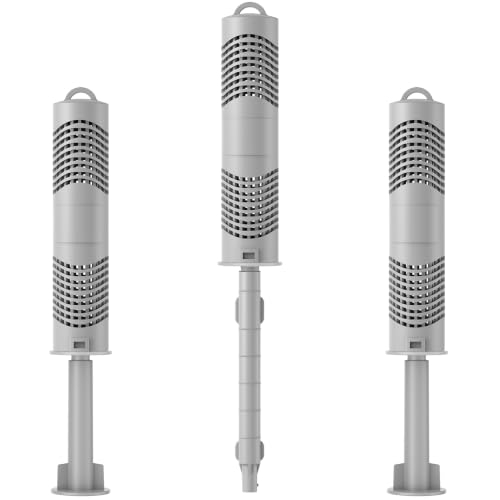
Homeowners evaluating conversion equipment can choose between aftermarket drop-in chlorinator kits and plumbed inline generators. Drop-in conversion kits, such as those produced by Briidea, Westaho, and ZJTBLL, represent the simplest and most non-invasive conversion method available. These systems feature an external control box mounted near the spa and an electrolytic cell suspended directly into the water or tucked inside the filter well.
Drop-in units eliminate the need to cut PVC plumbing lines, splice into spa pack wiring, or void existing equipment warranties. Inline generators, by contrast, are glued directly into the primary circulation plumbing behind the access cabinet. While inline units remain hidden from view inside the cabinet, they require dedicated plumbing space, flow switches, and precise electrical integration that may require professional installation assistance.
Selecting High-Purity Spa Salt for Water Systems
The type and quality of salt added to your spa directly influence cell performance and water clarity. You must use high-purity sodium chloride that is at least 99.9 percent pure, such as specialized formulas from Sea Salt Superstore or Aromasong Dead Sea salt. These products contain no additives, anti-caking agents, or heavy minerals that could stain the acrylic shell or foul the electrode plates.
Standard grocery store table salt and coarse rock salt are completely unsuitable for hot tub use because they contain sodium ferrocyanide, iodine, and insoluble impurities. Using unrefined salts causes cloudy water, foam accumulation, and premature cell scaling. Fine or medium-grain spa salt dissolves rapidly in warm water, ensuring consistent salinity readings across the entire vessel without abrasive sediment settling at the bottom.
Equipment Compatibility and Corrosion Considerations
A frequent concern among hot tub owners is whether saltwater causes aggressive corrosion to internal pumps, jets, and heating elements. Operating a hot tub salt system requires a salinity level between 1,500 and 2,500 parts per million, which is only about one-tenth the salinity of ocean water. At this modest level, acrylic shells, silicone seals, and PVC plumbing manifolds face minimal risk of chemical degradation.
However, heating elements require specific attention because low-grade metals can pit when exposed to warm, saline environments. Spas equipped with titanium heating elements resist corrosion far better than those relying on standard incoloy or copper assemblies. Topside components, headrests, and perimeter cover vinyl also benefit from protection against trapped salt vapor when shielded by a protective hot tub cover with warranty that keeps condensation contained and protects sensitive trim.
Step-by-Step Spa Conversion Preparation and Draining
Starting a saltwater conversion requires a completely clean baseline to prevent existing chemical residues and pipe biofilms from consuming newly generated chlorine. Begin by introducing a specialized plumbing purge cleaner into the warm water and running the jet pumps on high speed for several hours. This step dislodges accumulated body oils, bio-films, and mineral deposits that harbor inside flexible interior plumbing lines.
Once the purge is complete, disconnect electrical power at the dedicated GFCI breaker and use a submersible utility pump to drain the tub completely. Wipe down the acrylic shell with a soft microfiber cloth and a mild, non-abrasive surface cleaner, paying close attention to jet recesses and suction grates. Refill the vessel by placing your garden hose directly down the filter standpipe to force air out of the pump volutes and prevent frustrating pump air locks upon restarting.
Calculating and Adding Salt to Reach Target Salinity
Accurate dosing is essential when establishing proper salinity because over-salting requires partially draining and refilling the spa with fresh water to lower the salt concentration. Review your manufacturer documentation to verify the exact water capacity of your spa in gallons. For most portable spas holding between 300 and 500 gallons, reaching a baseline of 2,000 parts per million requires approximately five to nine pounds of high-purity spa salt.
Broadcast the measured salt evenly across the water surface with the circulation pump running and air controls turned off to prevent splashing. Brush the footwell and seating contours with a nylon spa brush to assist dissolution and eliminate any un-dissolved salt granules. Allow the water to circulate for at least 12 to 24 hours before powering on your electrolytic cell, giving the salt ample time to homogenize throughout the entire body of water.
Balancing Base Water Chemistry in a Salt Hot Tub
A salt chlorine generator cannot function efficiently if baseline water parameters fall outside standard ranges. Before activating your generator cell, test and adjust total alkalinity to between 80 and 120 parts per million using sodium bicarbonate or sodium bisulfate. Stabilizing total alkalinity provides a chemical buffer that prevents erratic swings in your water pH level.
Maintain your pH strictly between 7.2 and 7.8, with 7.4 to 7.6 representing the ideal target for swimmer comfort and chlorine efficacy. Salt electrolysis naturally produces sodium hydroxide as a byproduct, causing the pH in a salt spa to drift upward over time. Adding a foldable hot tub cover helps maintain consistent thermal efficiency, while regular additions of dry acid keep rising pH under control and protect calcium hardness within the recommended 150 to 250 parts per million range.
Operating and Programming the Salt Generator Controller
Once your water is balanced and salt is fully dissolved, submerge the chlorinator cell into the filter well or footwell and plug the controller into a dedicated GFCI-protected outlet. Drop-in conversion units like those from Briidea and Westaho feature integrated digital timers and LED status indicators that display salt levels and operating status. Set the timer according to your hot tub volume and expected bather frequency.
Begin with a moderate daily run cycle, typically between two and four hours per day for average residential use in a 400-gallon spa. Test free chlorine levels every 24 hours using dependable test strips or a liquid reagent kit to verify that the residual remains between one and three parts per million. If free chlorine rises above three parts per million, decrease daily run time; conversely, if sanitizer drops below one part per million, increase the operational timer incrementally.
Cell Maintenance, Descaling, and Seasonal Winterization
Electrolytic salt cells require routine inspection and periodic descaling to ensure optimal electrical conductivity and chlorine output. Because electrolysis produces localized high-pH conditions at the cathode plate, calcium scale inevitably accumulates on the titanium plates over several months of operation. Inspect the cell every thirty to sixty days for chalky white mineral deposits between the electrode blades.
To descale the cell, immerse the electrode blades in a plastic container filled with a mild cleaning solution consisting of four parts water to one part white vinegar or diluted muriatic acid. Allow the bubbling reaction to dissolve mineral crusting without scraping the plates with metal tools, which can strip the precious metal coating. When closing your spa for winter or anticipating sub-zero weather, remove the drop-in cell, dry it thoroughly, and store it indoors to preserve its rated lifespan.
Converting your traditional spa to saltwater provides a noticeably gentler, more luxurious soaking environment while simplifying weekly water sanitation routines. By selecting high-purity salt, executing a clean baseline purge, and closely monitoring pH drift, you can enjoy all the benefits of continuous automated chlorination without investing in an expensive new hot tub.






Write Your Review
No reviews yet. Be the first to share your experience!