

Investing in a backyard spa requires evaluating engineering quality rather than superficial cosmetic features or showroom promises. Determining who makes the most reliable hot tub comes down to examining the structural frame, pump engineering, insulation quality, and electrical architecture under real-world conditions. A poorly manufactured tub often leads to catastrophic freeze damage during sub-zero winter temperatures, persistent water leaks inside sealed cabinets, or sudden heater failure that leaves owners facing expensive repairs. High-grade construction requires a durable acrylic hard-shell spa surface, reinforced fiberglass backing, and standard commercial-grade plumbing fittings that can withstand continuous thermal expansion.
Reliability also depends on operational efficiency and how well internal components tolerate changing environmental loads. Choosing a spa with a dedicated 220V electrical connection ensures that the electric heater and hydrotherapy pumps can run concurrently without tripping breakers or losing water temperature during long winter soaks. Proper thermal management, including pairing your spa with a durable yard patio hot tub cover, protects internal water plumbing while lowering daily power consumption. When evaluating manufacturers, looking at component accessibility and standardized maintenance hardware provides a clear picture of true mechanical durability.


Key Indicators of Hot Tub Engineering and Longevity
Evaluating spa dependability requires looking past flashy cosmetic accents and focusing on underlying mechanical and structural standards. Pinpointing who makes the most reliable hot tub involves assessing how well a manufacturer builds the cabinet framing, forms the shell, insulates plumbing manifolds, and sources electronic control packs. A spa that functions effortlessly for years combines robust thermal engineering with serviceable parts that standard technicians can easily access. Understanding these physical engineering markers helps buyers make informed decisions while avoiding equipment with high failure rates.
Shell Composition and Structural Frame Architecture
The structural foundation of any portable spa begins with its shell, which bears continuous hydraulic weight and intense thermal stress. Premium manufacturers typically utilize multi-layered cast acrylic sheets backed by dense fiberglass or ABS composites to prevent surface blistering, delamination, and spider-web cracking. Cheaper alternatives, such as basic thin vacuum-formed plastics, can warp under prolonged sun exposure or flex excessively when filled with water. A rigid, dimensionally stable shell ensures that jet gaskets remain tightly compressed over years of heat cycles without developing micro-leaks.
Equally important is the cabinet substructure supporting the shell and distributing thousands of pounds of water weight across the foundation. Leading hot tub builders utilize pressure-treated timber grids, heavy-duty welded aluminum frames, or rot-proof synthetic composite pedestals that resist ground moisture and insect damage. Untreated wood frames can quickly absorb ground dampness, leading to structural rot, sagging base pans, and unlevel stress fractures across the acrylic basin. A well-engineered frame isolates pump vibration, dampens operational hum, and protects delicate plumbing unions from shifting over time.
Electrical Architecture and Power Delivery Requirements
A spa’s electrical design serves as the central heartbeat of its heating, circulation, and hydrotherapy functions. While 110V plug-and-play models offer initial convenience, true all-weather reliability almost always favors a dedicated 220V hardwired electrical connection. Systems operating on 220V circuits, such as the Comfort Hot Tubs – 6 Person Luxury Outdoor spa, feature heavy-duty heaters capable of warming water rapidly and maintaining a steady 104 degrees Fahrenheit soaking temperature. Lower voltage systems frequently suffer from forced heater shutoffs whenever high-speed therapy pumps are engaged, leading to rapid water cooling in cold weather.
Safety codes establish strict guidelines for outdoor spa power installations to safeguard bathers and internal electronics. The National Electrical Code (NEC Article 680) mandates a dedicated GFCI breaker disconnect switch installed at least 5 feet away from the water edge for immediate emergency access. Proper wire sizing, typically using 6 AWG copper conductors for 50-amp services, prevents excessive voltage drop over long conduit runs from the home breaker panel. Reliable hot tub brands design their control boxes with clear wiring schematics, robust terminal blocks, and sensitive high-limit thermal cutoffs that prevent dry-fire heater burnout.
Hydraulic Balance, Jet Configurations, and Pump Longevity
Marketing materials often boast about high jet counts, but true hydrotherapy reliability is determined by hydraulic balance rather than raw numbers. Installing dozens of small jets on an undersized circulation pump creates high head pressure, which strains pump motor windings and reduces water velocity. A balanced hydrotherapy layout, such as the 44 stainless steel jets found in luxury multi-person spas, distributes pump displacement evenly across key muscle groups. When water flow is calculated correctly, jets deliver strong targeted massage action without creating motor cavitation or excessive backpressure.
Pump motor longevity directly correlates with continuous-duty horsepower ratings rather than inflated peak brake horsepower figures. Dependable manufacturers install industrial-grade pumps equipped with heat-dissipating aluminum fins, high-temperature ceramic mechanical shaft seals, and vibration-dampening rubber mounts. These features prevent internal moisture from seeping into motor bearings and causing premature rotor seizure. Additionally, independent air control dials and water diverter valves allow bathers to modulate pressure zones without placing mechanical stress on the primary plumbing manifold.
Cabinet Insulation Engineering and Cold-Weather Protection
Thermal retention represents one of the most critical factors separating dependable hot tubs from budget units that struggle during freezing winters. Spas engineered for sub-zero climates incorporate closed-cell expanding polyurethane full foam or layered perimeter thermal barriers that trap waste heat generated by pump motors. Without comprehensive cabinet insulation, cold ambient air infiltrates the interior plumbing cavity, rapidly siphoning heat from flexible PVC water lines. Quality insulation prevents pipe freeze bursts during brief power outages and significantly curtails monthly electricity consumption.
Standardized thermal testing procedures, such as California Energy Commission (CEC Title 20) and APSP-14 protocols, evaluate standby power draw across various ambient temperatures. High-efficiency cabinets retain internal heat so effectively that the primary heating element cycles on less frequently during overnight standby hours. Full-foam insulation also provides secondary mechanical support by locking flexible plumbing lines firmly in place against the acrylic shell. This structural stabilization minimizes vibration-induced stress on glued joints, extending the service life of internal hydraulic connections.
Even the best cabinet insulation cannot compensate for an inadequate or deteriorating top cover, which accounts for the majority of standby thermal loss. Investing in an insulated hot tub cover with warranty ensures that high-density tapered EPS foam cores and marine-grade vinyl vapor barriers keep heat sealed inside the tub. Tapered covers facilitate rainwater runoff and snow shedding while continuous heat-seal hinge gaskets prevent steam escape along the center fold. Dependable builders provide custom-fitted covers with reinforced locking tie-downs that resist high winds and heavy snow loads.
Filtration Mechanics and Built-In Water Purification Systems
Water circulation and filtration systems play an understated role in mechanical longevity by keeping damaging grit away from sensitive pump impellers. Spas featuring automated self-cleaning filtration cycles circulate water through high-flow pleated cartridge filters on programmed intervals. Cartridge filters capture organic debris, suspended solids, and body oils before they can accumulate inside narrow heater tubes or jet orifices. Selecting a spa with an easily accessible top-loading filter housing simplifies routine rinsing and degreasing without requiring cabinet panel removal.
Many reputable spa builders supplement standard mechanical filtration with built-in ozone generators or UV-C chambers to continuously oxidize microscopic contaminants. These auxiliary purifiers help reduce total sanitizer demand by breaking down bather waste and organic chloramines before they cause cloudy water. However, supplementary purifiers do not replace EPA-registered sanitizers, which are still required to maintain an active residual biocide in the water. Clean, balanced water prevents the formation of abrasive mineral scale on heating elements, preserving thermal transfer efficiency and extending element life.
Chemical Sanitization and Water Balance for Equipment Preservation
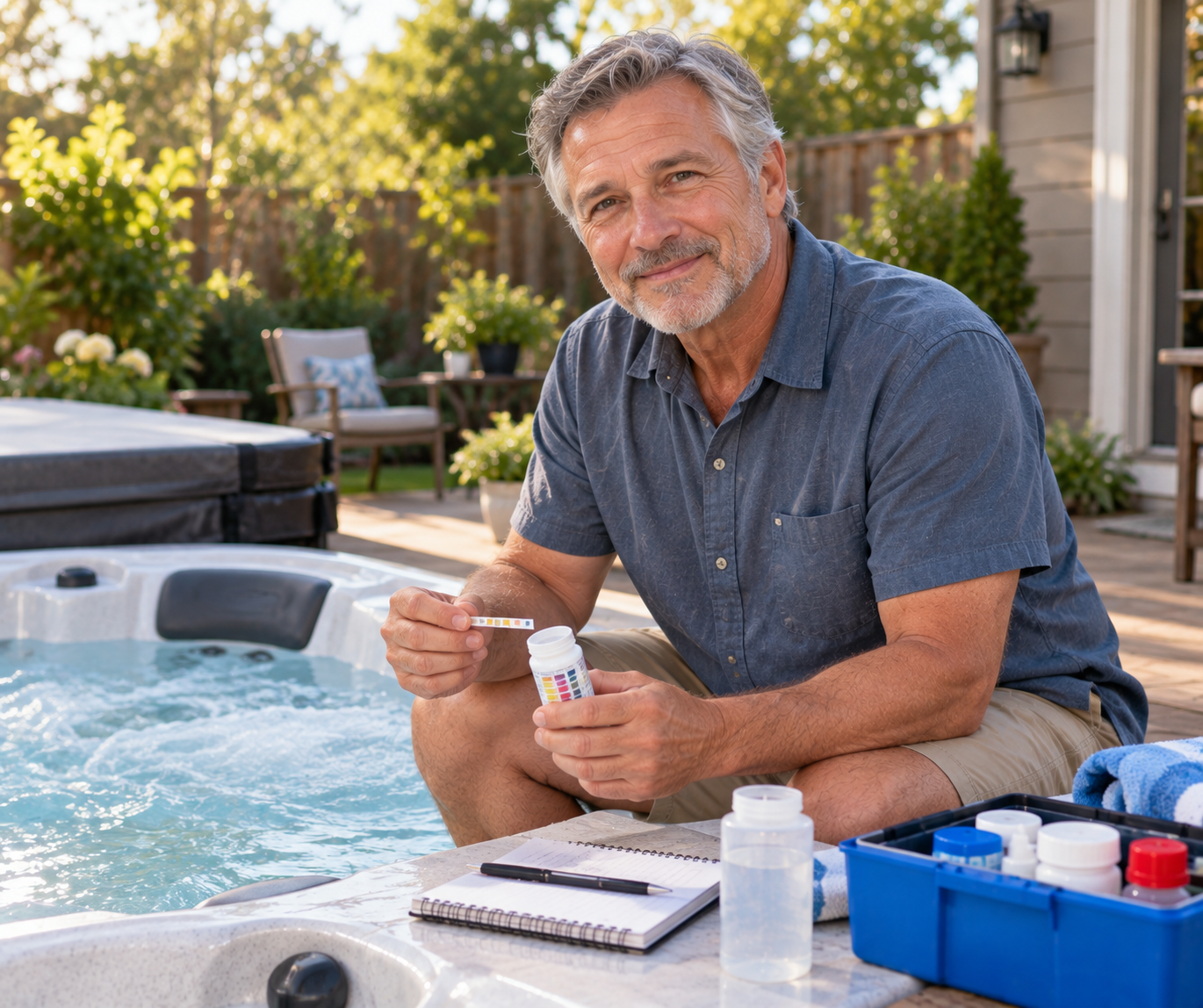
Water chemistry imbalances cause more premature hot tub component failures than ordinary mechanical wear and tear. Using high-purity sanitizers, such as XtremeClear 1″ Chlorine Tabs Swimming Pool Hot Tub tablets, helps maintain a reliable 1 to 3 ppm free chlorine residual that eliminates bacteria and prevents algae growth. These slow-dissolving tablets, formulated with 99% Trichloro-S-Triazinetrione and stabilized against UV degradation, deliver consistent sanitation when placed in floating dispensers or skimmer baskets. Consistent sanitizing prevents slimy biofilm colonies from colonizing internal plumbing lines and restricting water flow.
Protecting metal heater housings and rubber pump seals also requires strict attention to total alkalinity, pH, and calcium hardness. Spa water must be kept within a stable pH range of 7.2 to 7.8, while total alkalinity should stay between 80 and 120 ppm to buffer against sudden acidic drift. Low pH causes aggressive acidic water that corrodes copper sensor wells, degrades titanium heating elements, and hardens O-rings until they leak. Conversely, excessively high pH and hardness cause calcium scale to coat internal plumbing, creating flow restrictions that trigger topside error codes.
Site Preparation, Structural Load Limits, and Foundation Pads
A hot tub’s operational lifespan is heavily influenced by the ground surface upon which it rests. A fully filled six-person spa carries immense weight that must be calculated before delivery: the formula includes the dry tub weight plus water volume multiplied by 8.34 pounds per gallon, plus an estimated 175 pounds per bather. Dividing this total operating weight by the spa footprint square footage reveals the required pounds-per-square-foot (PSF) load rating, which frequently exceeds 100 PSF. Placing a large spa on an unreinforced wooden deck risks structural deflection, framing sag, and severe acrylic shell cracking.
Pouring a level 4-inch reinforced concrete slab provides the most reliable foundation for hard-shell portable spas. Alternatively, compacted crushed stone bases or interlocking structural composite spa pads can offer sufficient load-bearing stability when installed over level ground. In addition to a solid foundation, owners should budget adequate clearance for maintenance access, cover lifter fold-back radius, and delivery pathway navigation. Equipping the installation with a foldable hot tub cover ensures convenient daily handling while protecting the water surface from airborne dirt and patio debris.
Diagnostic Troubleshooting and Error Code Interpretation
Even top-tier spas encounter occasional flow disruptions, making intuitive topside diagnostic systems essential for long-term ownership satisfaction. Modern electronic control packs display standardized fault codes, such as FLO for water flow restrictions, OH for overheating, or DR for inadequate water detection in the heater tube. These alerts allow owners to isolate simple problems, such as a clogged filter cartridge or closed slice valve, before mechanical damage occurs. High-quality control systems store error histories, which help service technicians quickly identify intermittent electrical or sensor faults during routine maintenance.
One of the most frequent post-delivery issues is a pump air lock, which occurs when air becomes trapped in the wet end volute following a water refill. When an air lock happens, the pump motor hums loudly but fails to move water, quickly triggering a flow error and preventing the heater from firing. Reliable hot tub designs incorporate easy-access plumbing unions that allow owners to loosen the pump fitting slightly, bleed out trapped air, and restore circulation without professional tools. Regular inspection of union O-rings, gate valves, and topside keypad bezels helps prevent minor leaks from causing cabinet moisture damage.
Practical Verification Standards When Choosing a Spa Brand
Determining which hot tub brand is genuinely dependable requires verifying manufacturer track records, warranty terms, and replacement component availability. Trustworthy builders utilize non-proprietary internal hardware, such as standardized Balboa or Gecko control systems, ensuring that replacement parts remain readily available long after warranties expire. Spas sold with curbside delivery and no assembly required, like the Comfort Hot Tubs series, streamline installation while delivering factory-tested plumbing assemblies directly to the site. Prioritizing domestic customer support and responsive warranty fulfillment guarantees that any unexpected component issues are resolved quickly.
A dependable hot tub represents a significant investment in backyard wellness, physical recovery, and seasonal relaxation. By focusing on multi-layered acrylic shells, dedicated 220V electrical configurations, balanced hydraulic plumbing, and disciplined water sanitization, owners can ensure trouble-free operation across years of heavy use. Reliable manufacturers design their spas to withstand harsh weather extremes while maintaining comfortable hydrotherapy temperatures with minimal mechanical drama. Investing in quality engineering up front protects your property, reduces ongoing maintenance headaches, and delivers the restorative soaking experience you expect.






Write Your Review
No reviews yet. Be the first to share your experience!