
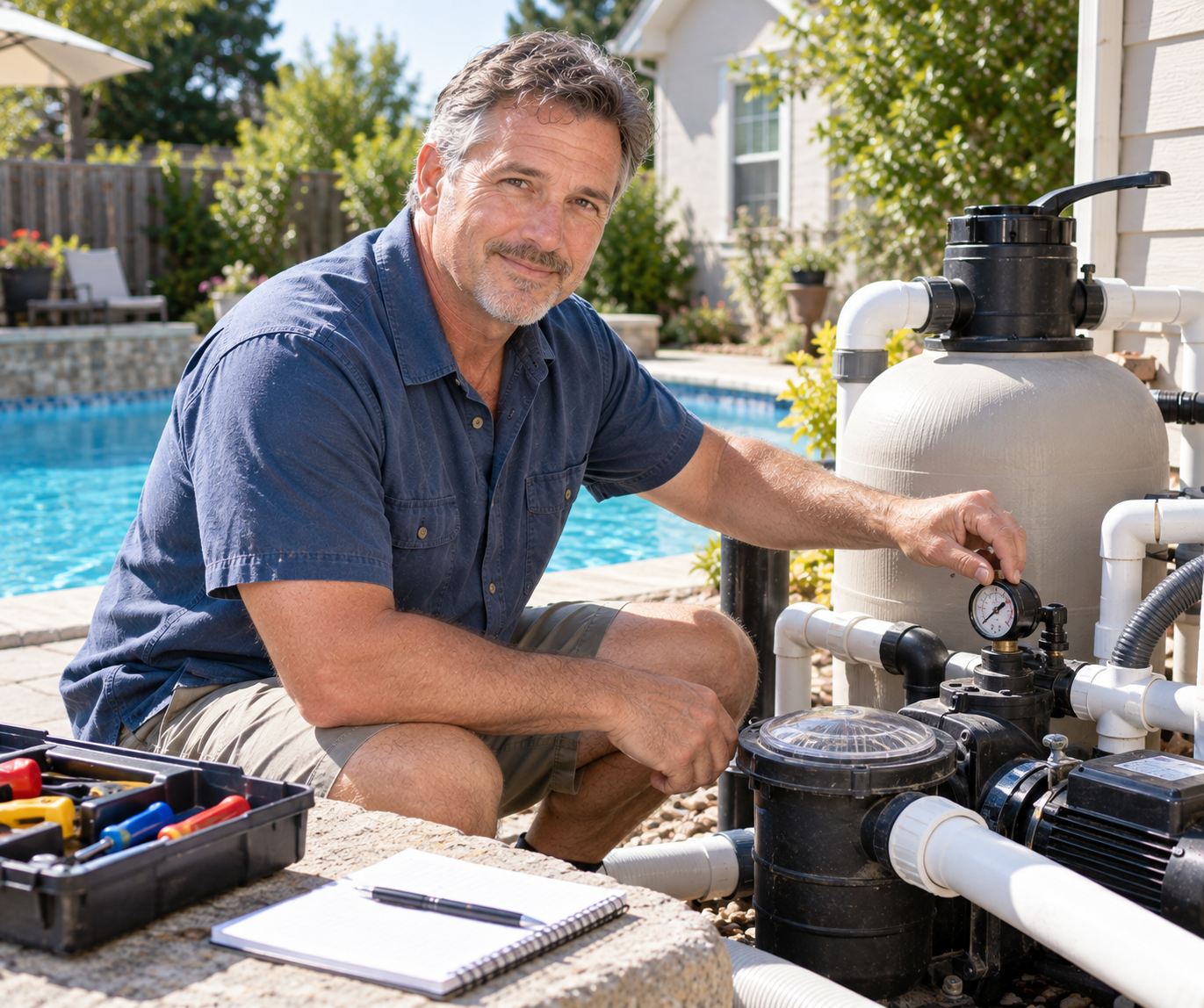

Cleaning a pool by hand takes time, and the wrong automatic cleaner can add new hassles, from missed corners to a unit that does not suit the pool’s surface. If you’re deciding where to buy robotic pool cleaner options, start with the seller’s product details and return terms, not just the headline claims. A retailer listing should make it possible to confirm whether a model is corded or cordless, what parts of the pool it is designed to clean, and whether its stated pool size matches yours. Those checks matter whether you’re replacing an older cleaner or buying your first robot.
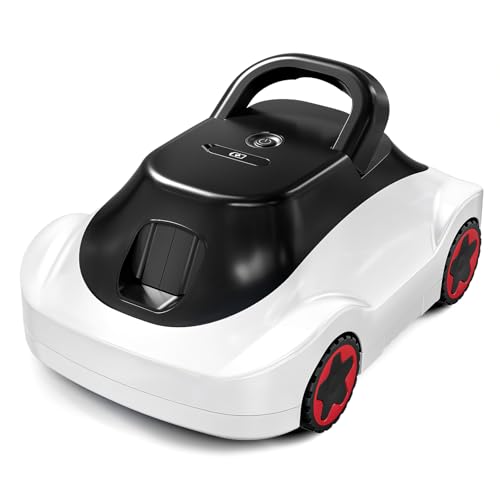
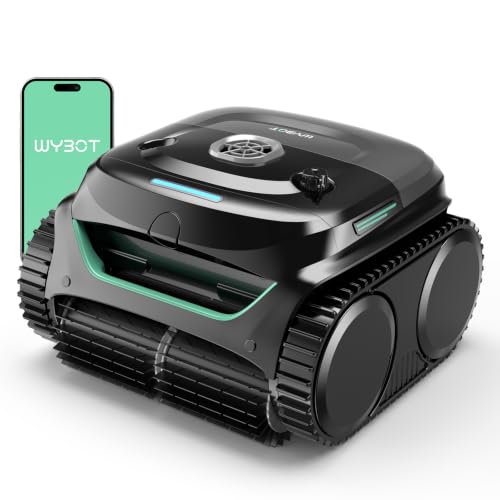
Online product pages make it convenient to review the available Dolphin, QGeeM, Beatbot, WYBOT, and other models together, but availability and support can vary by seller. Read the manufacturer’s current instructions for pool compatibility, charging, electrical setup, and maintenance before ordering. Check how returns work if the cleaner is not suitable, and identify where replacement filters, brushes, or other wear parts can be obtained. The products below include corded and cordless choices, with different coverage claims and pool-size limits, so match those details to your pool instead of assuming every robot works the same way.
Product Options




Where to Buy and How to Choose
Buying a robotic cleaner is partly a product decision and partly a seller decision. The listing needs to identify the exact model and its included equipment, while the seller’s policies determine how straightforward it is to resolve a delivery, compatibility, or warranty question. Treat manufacturer specifications as the starting point, then confirm the details that affect your pool and routine. A low-friction purchase is one where you know what the cleaner can cover, what it cannot promise, and what support is available afterward.
Start with the pool and the cleaning task
Before comparing sellers, write down the pool’s basic profile: above-ground or inground, approximate length or surface area, shape, and finish. Then decide whether the priority is floor debris, wall cleaning, waterline attention, or a combination. Product descriptions often distinguish floor-only cleaners from models advertised for floors, walls, and waterlines; that distinction can matter more than a long feature list. If the pool has steps, a shallow shelf, unusual transitions, or raised drain covers, do not assume a robot will handle those obstacles simply because it has navigation features.
Pool dimensions are a useful screening tool, not a guarantee of coverage in every shape. The listed product data includes models with stated pool limits in linear feet and others described by square footage, so compare the unit of measure to your actual pool. A compact above-ground pool and a large inground pool create different demands for reach and cycle planning. If a listing does not clearly state the intended pool type or size, look for the manufacturer’s documentation before purchasing rather than relying on a broad retailer category label.
Use product pages and retailer policies together
A retailer page is useful when it names the exact model, describes the included power supply or charging equipment, and links to current instructions. Compare that information with the manufacturer’s product page when possible, particularly if a listing title is crowded with promotional language. Confirm whether the listed cleaner is the same model number you intended to buy; similar names can refer to different pool coverage or control features. Save or note the listing and order details so you can refer to the exact configuration if questions arise.
Read the return window, restocking conditions, shipping arrangements, and warranty language before checkout. A return policy may have specific requirements for opened or used pool equipment, and warranty coverage may depend on the manufacturer’s stated terms rather than the marketplace’s general policy. Check who handles customer service: the retailer, the brand, or a third-party marketplace seller. If the product page leaves that unclear, ask before buying, especially for a cordless model with a rechargeable battery or a robot with app-connected features.
Replacement-part access is worth checking even when a cleaner is new. Filter baskets, brushes, and other components can need cleaning or eventual replacement, but the supplied product information does not establish that parts are interchangeable across brands or model lines. Search the manufacturer’s support information for the exact model and check whether the seller identifies the included filter type. Do not buy a substitute part based only on a similar-looking product photo; confirm compatibility with the cleaner’s documentation.
Understand the corded and cordless tradeoff
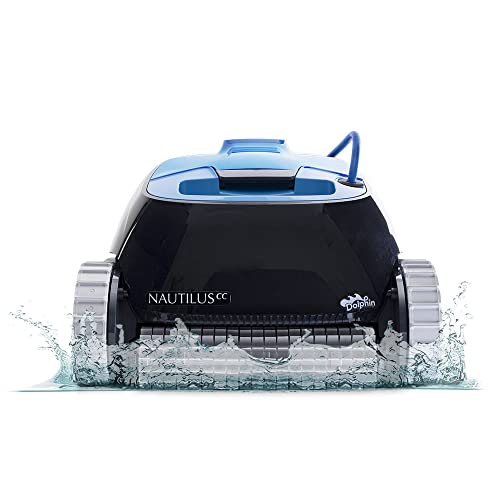
The Dolphin Nautilus AG is a corded, plug-and-play option listed for above-ground pools up to 33 feet long. Its product details describe an active scrubber, top-load filter access, and a stated cleaning cycle of 1.5 hours, while also specifying that it does not clean walls or the waterline. That makes its coverage limitation just as relevant as its scrubbing feature. A buyer looking for waterline cleaning should not treat this floor-focused choice as equivalent to models whose descriptions include walls or waterlines.
The Dolphin Nautilus CC is also described for pools up to 33 feet, but its listed features include wall climbing as well as active scrubbing and top-load filter access. The Nautilus CC Plus listing describes inground pools up to 40 feet and wall cleaning. These are distinct product descriptions, so confirm the exact Nautilus version and pool limit on the page before ordering. A shared family name does not establish that two robots have the same coverage or intended pool size.
Cordless models avoid a floating power cord during the cleaning cycle, but they introduce charging and runtime considerations. The supplied specifications list runtimes from 120 minutes for the WYBOT B1 to 300 minutes for the Beatbot Sora 10, with other models listing up to 160 or 180 minutes. Those are manufacturer-listed figures, not a promise that every pool shape, debris load, or selected cleaning mode will produce the same result. Check the specified charging time too, and consider how the unit will be retrieved if it stops in deep water.
Some listed cordless products add app controls, selectable modes, or automatic parking. The Letexpool C1 description, for example, lists app control and modes for floor, wall, and waterline cleaning, while the Beatbot Sora 10 description lists waterline parking and Wi-Fi or Bluetooth controls. Those functions may be convenient, but they are not substitutes for confirming pool compatibility and manufacturer support. Review the current instructions for charging, app setup, storage, and retrieval before treating a feature in a product title as a practical fit.
Match filtration and debris handling to the pool
Filter access affects routine ownership. The Dolphin models described here include top-load filter access, which can make it easier to reach the basket from above the cleaner, while the OUCAXIA C5 listing describes a top-loading debris basket with a stated capacity of 2.7 liters. The WYBOT C2 description lists a dual filtration arrangement with 10-micron and 180-micron filters. These specifications differ, and they should not be generalized to every robot in the selection.
Think about the debris your pool commonly collects. Leaves and larger debris place a different demand on basket capacity than fine sand or silt, and a filter’s listed rating can help you distinguish product designs when the manufacturer provides one. Do not assume a cleaner will remove every form of algae or replace water treatment and brushing. If fine particles are a concern, confirm the filtration details for the exact model and check whether finer filtration requires an optional component.
After each cycle, follow the manual for emptying and rinsing the filter. A full basket can reduce the room available for newly collected debris, while rough handling or an incorrect cleaning method may damage a filter component. Disconnect power sources before servicing corded equipment, and follow the manufacturer’s instructions for the cordless unit. These basic ownership steps are worth considering before purchase because filter access and cleaning frequency can affect how convenient the robot feels in daily use.
Check surface, shape, and obstacle limitations
Surface suitability should come from the manufacturer’s stated compatibility, not a general assumption about robotic cleaners. The OUCAXIA C5 description lists vinyl liner, concrete, fiberglass, and mosaic tile surfaces, and describes use on flat-bottom pools. The QGeeM product description names several surface types and states a climbing slope capability, but buyers should still consult the manual for their specific pool finish and configuration. A feature claim in one listing does not apply to another model from a different brand.
Pool geometry can influence coverage even when the listed size appears suitable. Raised main drains, ladders, tight steps, steep transitions, and freeform corners may interrupt a robot’s route or leave areas that need separate attention. Product descriptions mention navigation systems and cleaning paths for some models, but they do not establish that a cleaner will avoid every obstacle. Ask the manufacturer about a particular pool feature if the listing does not address it, and keep expectations realistic about narrow steps and shallow ledges.
For a cordless model, retrieval deserves its own check. The QGeeM description mentions an included hook, and the Beatbot Sora 10 listing says the robot parks at the waterline at the end of a cycle. Those features are specific to their descriptions and should not be assumed for the other products. Use the supplied retrieval method and follow the manual; do not enter deep water to recover equipment if doing so would put you at risk.
Compare supported buying routes without assuming identical service
Robotic pool cleaners may be available through brand websites, pool-equipment retailers, and online marketplaces, but the supplied product information does not verify current stock or authorize any particular seller. Use those channels as places to check, then verify the exact model, seller identity, fulfillment details, return rules, and warranty terms on the live listing. A marketplace page can be convenient for comparing products, while a manufacturer page may make model documentation easier to locate. Neither convenience alone proves that a seller offers the best support for your purchase.
Watch for listings that combine several model names, use a title that conflicts with the product photographs, or omit the intended pool type. Confirm the model identifier and included accessories before ordering. If the seller cannot explain whether a unit is corded or cordless, what filter it includes, or how the warranty is handled, pause and check the manufacturer’s information. A clear answer before payment is preferable to discovering a mismatch after delivery.
For products with app control, check the listing and manual for the supported setup process and control functions rather than relying on broad claims such as “smart.” For a battery unit, make sure the charging arrangement and stated runtime suit your routine. For a corded model, follow the manufacturer’s electrical and placement guidance, including any requirements for the power supply and GFCI protection. Never modify a power cord or use equipment contrary to its safety instructions.
Make the final choice from verifiable details
A useful shortlist starts with pool type and size, then narrows by cleaning coverage, power style, filtration, and retrieval. For example, the listed Dolphin Nautilus AG may suit a buyer seeking an above-ground floor cleaner, while a buyer who wants cordless operation might compare the stated pool limits, runtime, and feature set of the cordless models. That is a way to organize the specifications, not a claim that either product is right for every pool. Read the current listing and manual for the exact model you plan to order.
Do not let a high feature count distract from a missing essential. Waterline cleaning matters only if the model is actually listed for it; a long runtime matters only if the pool and cleaning mode fit the product’s stated limits. A large basket can be useful for debris-heavy pools, but it does not establish fine-particle filtration unless the specifications say so. Clear, model-specific evidence should carry more weight than generic claims in a listing headline.
Once the cleaner arrives, inspect the model and included components against the order and consult the manual before use. Confirm the stated pool compatibility and understand the instructions for setup, cleaning, charging, storage, and service. Keep the seller’s order information and warranty details accessible. If an essential specification or safety instruction differs from what the listing implied, contact the seller or manufacturer before putting the unit into service.
The best place to buy is the seller that clearly identifies the exact robot, provides dependable access to current product information, and states its return and support terms plainly. Match those details to your pool’s size, finish, debris, and desired coverage before choosing between corded and cordless designs. For the models listed here, the manufacturer’s stated limits and instructions are the final check, especially where a pool has unusual steps, slopes, or surface transitions. That approach helps make the purchase decision more informed without treating a product listing as a guarantee of performance in every pool.




Write Your Review
No reviews yet. Be the first to share your experience!