


Unlocking your backyard spa after a long workday should bring instant physical relaxation rather than thermal shock or frustration. Balancing comfort against electrical utility bills often leaves owners debating what temperature should a hot tub be during different seasons of the year. Standard factory presets typically cap water warmth at a maximum safe threshold of 104 degrees Fahrenheit, but individual soaking preferences, bather health profiles, and ambient winter conditions all influence the ideal operating dial. Maintaining that heat requires tight equipment alignment, from precise internal thermistors to a durable, heat-trapping barrier.
Pairing your heater cycles with a high-density, fitted dense patio hot tub cover prevents rapid standby heat loss while keeping daily heating cycles brief and economical. Inaccurate control readings or failing thermal sensors can cause high-limit cutoffs, watchdog diagnostic codes, or lukewarm water when you expect a steaming hydrotherapy session. Reviewing your topside controls alongside secondary water thermometers ensures your spa remains safe, efficient, and ready whenever you decide to soak.


The Science and Practice of Hot Tub Temperature Management
Finding the right balance on your spa keypad shapes your hydrotherapy experience, total energy consumption, and bather safety. While determining what temperature should a hot tub be depends partially on personal comfort, strict physical limitations govern how hot water affects the human body. Setting an appropriate target preserves your heater hardware, stabilizes water chemistry, and avoids nuisance diagnostic lockouts on your control pack.
The Baseline Rule: Why 104 Degrees Is the Absolute Industry Ceiling
Modern residential hot tubs feature factory-locked upper thresholds that prevent users from programming water temperatures beyond 104 degrees Fahrenheit (40 degrees Celsius). This limit stems from safety regulations established by the Consumer Product Safety Commission and international electrical testing standards. Water heated past this point rapidly elevates core internal body temperatures because the human body cannot shed heat through sweat while fully submerged. Prolonged immersion in water exceeding this boundary poses severe risks of heat exhaustion, dizziness, fainting, and dangerous drops in blood pressure.
Most manufacturers configure high-limit sensors to trip automatically if plumbing sensors detect temperatures approaching 108 to 110 degrees Fahrenheit. This fail-safe mechanism interrupts power to the electric heating element to prevent scalding and structural shell warping. Even if your topside keypad allows a 104-degree setting, continuous operation at maximum heat stresses internal plumbing gaskets and shortens the operational lifespan of heater elements. Respecting this baseline ceiling protects bathers while establishing a reliable benchmark for daily operation.
Ideal Temperature Ranges for Adults, Children, and Wellness
Most healthy adults achieve optimal hydrotherapy comfort within a moderate range of 100 to 102 degrees Fahrenheit (37.5 to 39 degrees Celsius). Soaking at 100 degrees provides soothing muscular relaxation and increased peripheral circulation without triggering rapid overheating or excessive perspiration. Raising the water to 102 degrees delivers intense relief for chronic joint stiffness, arthritis, and lower back soreness. At this slightly elevated setting, soaking sessions should generally remain between 15 and 20 minutes to prevent mild dehydration.
Bather demographics require deliberate downward adjustments to ensure vulnerable users stay protected. Children under the age of twelve possess higher surface-area-to-body-mass ratios and cannot regulate internal core temperatures as efficiently as adults. For younger family members or elderly bathers with cardiovascular sensitivities, dialing the spa back to 95 to 98 degrees Fahrenheit creates a much safer soaking environment. Pregnant bathers must exercise particular caution, as elevated core temperatures can impact fetal development, making cooler settings or brief shallow soaking mandatory.
Post-workout recovery routines also benefit from varied heat levels rather than maximum thermal intensity. Athletes managing acute muscle inflammation often favor lukewarm soaking temperatures between 90 and 95 degrees Fahrenheit to facilitate mild blood flow without aggravating strained tissue. Reserving the highest heat settings for short evening soaks helps promote natural sleep cycles as your body cools down post-soak. Tailoring your baseline setting to the specific individuals using the tub ensures therapeutic value without physical strain.
The Thermodynamics of Standby Heat and Energy Efficiency
A frequent dilemma among spa owners centers on whether to drop water temperatures between uses or maintain a constant heat level. The thermal mass of 300 to 500 gallons of water requires considerable energy to heat from a cold baseline. Spas connected to dedicated 230-volt, 50-amp circuits typically heat water at a rate of three to six degrees Fahrenheit per hour, while 110-volt plug-and-play units manage only one to two degrees per hour. Lowering the water temperature significantly between daily soaks forces the heater element to work continuously for hours prior to each use.
Maintaining a steady target temperature within two to three degrees of your preferred soaking level generally proves more economical than aggressive cycling. Modern polyurethane cabinet foam and reflective radiant barriers trap heat efficiently, reducing the electrical draw needed to sustain warm water. Pairing consistent internal circulation with an insulated hot tub cover with warranty prevents evaporative losses, which account for the majority of thermal depletion in outdoor environments. If your spa sits unused for several consecutive weeks, lowering the target to 80 or 85 degrees Fahrenheit provides legitimate utility savings without risking plumbing freeze damage.
How Water Temperature Impacts Sanitizer and Chemical Balance
Elevated water temperatures directly accelerate chemical degradation and evaporation within your spa vessel. Free chlorine and bromine residuals deplete significantly faster at 104 degrees Fahrenheit than at 98 degrees due to increased thermal oxidation and higher bather perspiration loads. Submerged bathers release organic oils, sweat, and cosmetics at accelerated rates in hot water, consuming available sanitizer ppm rapidly. Maintaining adequate biocide protection requires more frequent chemical testing and regular non-chlorine shock treatments when running near maximum heat.

Thermal conditions also influence the physical solubility of minerals like calcium carbonate. As water heats up, calcium becomes less soluble, driving the Langelier Saturation Index toward scaling conditions. This reaction frequently causes scale accumulation on high-temperature surfaces like the heater sheath, reducing thermal transfer efficiency over time. Keeping total alkalinity between 80 and 120 ppm and managing pH within the 7.2 to 7.8 range helps prevent mineral scaling while sustaining bather skin comfort.
Verifying Thermal Accuracy with Secondary Water Thermometers
Topside control panels display water temperatures based on thermistor readings situated inside the plumbing manifold or wet well. These internal electronic probes can drift out of calibration over time due to mineral accumulation, electrical impedance, or moisture ingress inside sensor wiring. When the display indicates 100 degrees, the actual soaking vessel water might sit several degrees higher or lower. Cross-referencing your topside digital readout against an independent manual gauge provides essential confirmation of water safety.
A floating pool and spa thermometer, such as the XY-WQ Turtle Floating Thermometer, offers an effortless secondary reference point right at the water surface. This device features an easy-read dual-scale display ranging from 20 to 120 degrees Fahrenheit (-10 to 50 degrees Celsius), utilizing a safe 100% glycerol liquid fill. The included tether cord secures the floating turtle near your acrylic steps, preventing it from migrating into skimmer wells or suction grates. Periodic comparisons between a floating mechanical display and your electronic control pack highlight emerging sensor inaccuracies before they trigger high-limit heating shutoffs.
Troubleshooting Temperature Sensor Failures and Watchdog Errors
When electronic thermal sensors degrade, spa control circuit boards trigger distinct diagnostic error codes to prevent runaway heating. On popular Jacuzzi and Sundance Spas systems, a failing sensor often generates a dreaded watchdog error displayed as four dashed lines or an open-circuit fault message. This condition occurs when the control board detects an open circuit, shorted thermistor, or an excessive resistance deviation between the primary water temperature sensor and the high-limit sensor. When these safety interlocks activate, the spa locks out the heater element and circulation pump completely to protect mechanical components.
Pinpointing a failed sensor involves inspecting the probe and its connecting harness for physical damage or corrosion. Mineral buildup across the sensor bulb located inside the filter basin or suction fitting can insulate the thermistor from actual water temperatures, causing erratic cycling. If cleaning the probe tip fails to resolve erratic temperature swings or persistent watchdog codes, replacing the thermistor assembly is the standard mechanical remedy. Reliable replacement units restore steady resistance signals to the control pack, eliminating false freeze-protection cycles or unexpected heater shutdowns.
Step-by-Step Installation of Replacement Spa Temperature Sensors
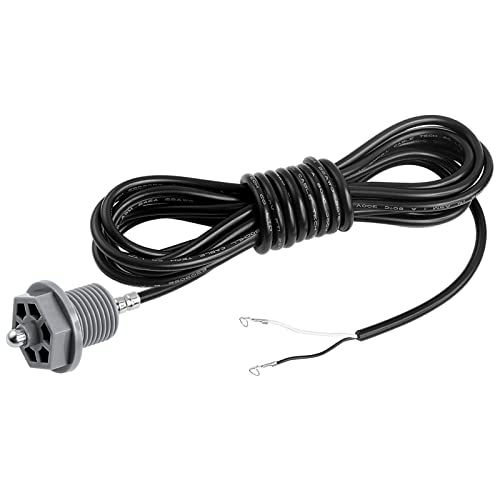
Installing an aftermarket thermistor restores proper digital temperature calibration to your spa pack. Components like the XMK Temperature Sensor or the ArrogantF 6600-166 Replacement Sensor match OEM specifications for Jacuzzi J-200, J-300, and Del Sol series, as well as Sundance 680, 780, and Portofino models. These replacement assemblies arrive with factory-crimped curled finger connectors, a durable 12-foot wiring lead, and a fresh 6540-228 O-ring to ensure a watertight seal against the acrylic shell. The ArrogantF model is engineered for 240-volt systems with thermal resistance up to 105 degrees Celsius, offering reliable electrical durability.
Before beginning the replacement procedure, completely disconnect power to the spa at the external GFCI subpanel disconnect switch to eliminate electrical shock hazards. Drain the water level below the sensor housing or plug the fitting from inside the tub to prevent water leakage during extraction. Cut the old sensor wire near the probe, leaving the old harness intact, and firmly tape the new 12-foot lead to the old cable. Gently pull the old harness from inside the equipment compartment to guide the new wiring through tight plumbing cavities directly to the main circuit board.
Once routed, insert the new probe through the shell opening, seating the supplied 6540-228 O-ring firmly to prevent perimeter weeping. Secure the sensor retaining nut by hand to avoid cracking delicate plastic threads. Inside the control box, insert the curled finger connectors into the designated sensor terminals on the printed circuit board according to your model schematic. Restore electrical power, inspect the wet end for leaks, and verify that the topside display shows accurate ambient water temperatures without recurring error codes.
Seasonal Adjustments: Managing Cold Winters and Hot Summers
Ambient outdoor climates demand thoughtful seasonal recalibration of your target temperature settings. During sub-zero winter weather, maintaining a baseline of 100 to 102 degrees Fahrenheit protects your plumbing lines against freeze damage. Should an unexpected winter power interruption occur, a hot tub maintained at 102 degrees provides many hours of thermal buffer before water approaches the freezing threshold. In contrast, running a tub at low temperatures during freezing weather shortens the available safety window if electrical service drops.
Summer conditions present the opposite operational challenge, frequently causing thermal creep where water temperatures climb higher than the programmed setting. When outdoor heat exceeds 90 degrees Fahrenheit, high-speed jet pumps and continuous circulation cycles generate mechanical friction heat within internal plumbing. Dropping your programmed temperature down to 85 to 90 degrees Fahrenheit transforms the hot tub into a refreshing plunge pool during sweltering afternoons. Running filter cycles during cool nighttime hours further prevents unwanted thermal escalation inside the insulated cabinet.
Practical Verification and Routine Thermal Maintenance
Establishing dependable temperature regulation relies on simple, consistent operational habits. Inspect your floating thermometer alongside the topside digital display during each weekly chemical balancing session. Any emerging discrepancy greater than two degrees Fahrenheit warrants an inspection of the sensor probe for scale buildup or loose wiring terminals. Ensuring tight seating of your cover seals further minimizes localized thermal stratification between the surface and deep jet wells.
Taking ownership of your hot tub temperature settings balances personal comfort, family safety, and electrical utility expenses. By adhering to the 104-degree maximum ceiling and making timely repairs to failing thermal sensors, you protect your equipment investment for years to come. A well-monitored spa ensures that every hydrotherapy session begins with inviting, safe water ready for soothing relaxation.






Write Your Review
No reviews yet. Be the first to share your experience!