
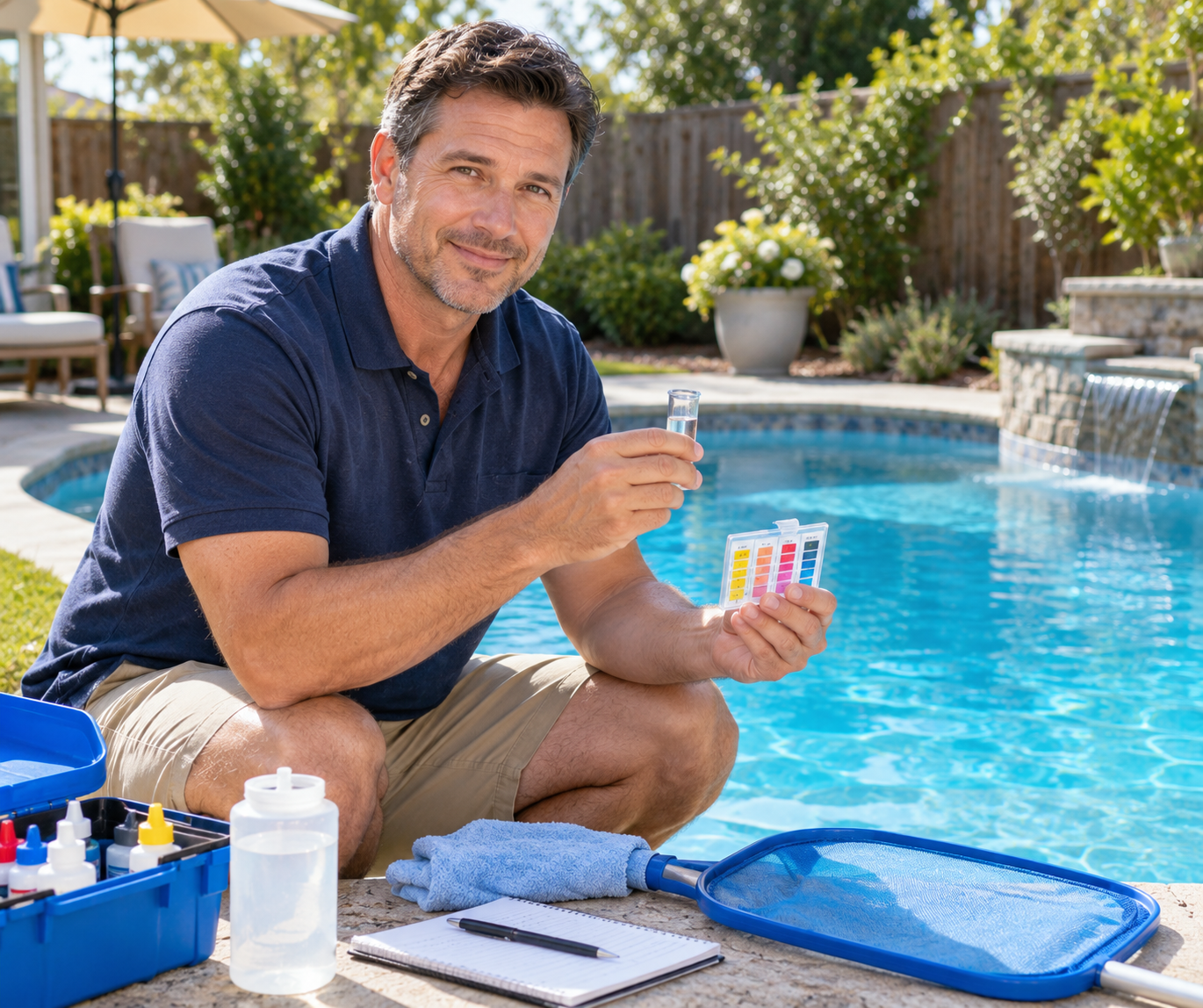

Manual vacuuming can turn routine pool care into a regular chore, especially when leaves collect on the floor or fine dust clouds the water after a windy day. The answer to what is the best pool cleaner in australia depends on what your pool needs cleaned, how it is built, and whether you want a robot that runs independently or a cleaner that uses your pool pump.
The products listed below include robotic options for above-ground and inground pools, a suction-side Zodiac cleaner, and chemical or surface-cleaning products that support pool maintenance but are not automatic pool vacuums. That distinction matters: an algaecide or tile cleaner cannot replace a debris-collecting machine. Compare pool compatibility, cleaning coverage, power setup, and the type of mess you see most often before choosing.
Top Products




How to Choose a Pool Cleaner That Fits Your Pool
There is no single best cleaner for every Australian pool. A useful choice matches the cleaner’s stated pool type and coverage to your pool’s size, surface, debris, and equipment setup. The options here include robotic cleaners with different power sources and coverage claims, plus a suction-side model that depends on pool plumbing. Some listed products are chemical or surface-care aids, not cleaners that travel around the pool.
Separate automatic cleaners from pool-care products
A robotic or suction-side cleaner physically moves through the water and collects debris in its own filter or through the pool’s circulation system. Algaecides and enzyme clarifiers address water-care concerns instead. Tile and vinyl cleaners are intended for surface cleaning, rather than autonomous pool-floor coverage. Knowing which job you need done prevents a common buying mistake: selecting a product with “pool cleaner” in its name that does not vacuum the pool.
The supplied list contains products from Dolphin, AIPER, BRINBO, Letexpool, Zodiac, In The Swim, ADIOS!, and Pool Season. The Dolphin Nautilus AG is described for above-ground pools up to 33 feet long and does not clean walls or the waterline. The Zodiac G3 is a suction-side inground cleaner, while several cordless robotic listings describe floor, wall, or waterline coverage. These are different solutions, not interchangeable versions of one design.
Match the cleaner to pool type and dimensions
Start with whether the product is listed for an inground or above-ground pool, then compare its stated size limits with your pool. The Nautilus AG listing gives a maximum pool length of 33 feet and specifies above-ground use. The Letexpool C1 description identifies inground pools up to 1,615 square feet, while the BRINBO listing gives coverage up to 2,691 square feet. Those figures are product claims, so check the current manufacturer instructions and the shape of your pool before relying on them.
Pool geometry can matter as much as a simple length or area figure. Curved corners, slopes, steps, ladders, and raised drain covers may affect a cleaner’s route, but the supplied product details do not establish how each model handles every obstacle. Waterline coverage also does not mean that a unit will scrub every step or shallow ledge. If your pool has unusual transitions, confirm the model’s coverage and operating limitations rather than assuming a broad “full coverage” description includes every feature.
Surface compatibility deserves the same care. The Zodiac G3 description lists tile, vinyl, gunite, and fiberglass among surfaces it can clean. The Nautilus AG listing describes use across pool surface types but limits its intended pool type and states that it does not clean walls or the waterline. For other models, the supplied information may not name a particular interior finish, so verify the manufacturer’s surface guidance before use, especially with a delicate liner or slick finish.
Choose coverage based on the cleaning job
A floor-only cleaner may be sufficient if most of the debris settles on the bottom and you are comfortable cleaning the walls separately. If scum or dirt accumulates at the waterline, a model listed for wall and waterline cleaning may reduce that manual work, though pool shape and surface can still affect coverage. The Nautilus AG is explicitly a floor-cleaning option, whereas the C1, AIPER, and BRINBO descriptions include wall or waterline functions. Read the product’s stated limits, not just its headline.
Consider the type of debris as well. Leaves and larger material can fill a filter basket quickly, so accessible debris removal is useful; the Dolphin Nautilus AG listing specifically describes a top-load filter basket. Fine sand, silt, pollen, or dead algae can be harder to capture than larger leaves, but the supplied details do not provide a comparable micron rating for these robotic models. Do not assume a particular fine-particle filtration level unless the product documentation states it.
Water clarity and debris pickup are related but distinct tasks. An enzyme product such as ADIOS! is described for organic matter and cloudy water, while an algaecide is intended for algae control. Neither description turns these products into a physical vacuum, and chemical treatment will not collect leaves or grit from the floor. Identify whether the issue is debris, a surface deposit, algae, or cloudiness before buying; the appropriate response may involve more than one type of pool-care product.
Compare cordless robots with suction-side cleaning
A cordless robotic cleaner has no floating power cord running from the unit to a poolside supply during cleaning, but it does require charging and has a finite stated run time where one is provided. The C1 description lists up to 180 minutes of battery life and a 2.5-hour full charge, along with app control and seven modes. BRINBO lists 210 to 240 minutes of runtime. Treat these as manufacturer-provided specifications, not independently verified runtime in every pool or operating mode.
The AIPER description includes a wireless charging dock and waterline cleaning, while the BRINBO listing describes floor, wall, and waterline coverage. Those features may appeal if avoiding cord management is a priority. Cordless does not mean maintenance-free: the filter still needs attention, the battery needs charging, and a cleaner that stops in deep water can be awkward to retrieve. The supplied details do not state a retrieval hook or automatic return feature for these models, so check the instructions for safe recovery and handling.
A suction-side model uses the pool’s suction plumbing rather than operating as a self-contained cordless robot. Zodiac describes the G3 as connecting to a skimmer or dedicated suction line and includes a 39-foot push-fit feed hose. It is listed for inground pools and is described as compatible with low-flow and variable-speed pumps, but no minimum flow measurement is supplied here. Confirm the pump and plumbing requirements in the current product documentation before purchase.
The G3’s hose connection and reliance on pool circulation are key differences from a robotic cleaner. Its description highlights a wheel deflector for maneuvering and a disc intended to help maintain surface contact and avoid hang-ups on fittings. That does not guarantee it will clear every raised drain, ladder, or tight corner. Keep suction-line safety devices in place, follow the manufacturer’s connection guidance, and do not bypass any pool safety equipment.
Interpret navigation and feature claims carefully
Navigation descriptions can help distinguish products, but they are not a promise of perfect coverage in every pool. Dolphin describes the Nautilus AG as using Smart Navigation Technology to scan the pool and plan a route. The C1 listing describes seven cleaning modes and app-based path selection, while BRINBO describes a pre-programmed navigation path. Those claims may help a buyer compare control options, but the supplied data does not explain how each system behaves around every obstacle or pool shape.
Look for practical operating details alongside navigation language. The Dolphin listing describes a plug-and-play setup and a stated 1.5-hour cleaning cycle, plus a top-access basket. The C1 listing says its modes and path should be set in the app before the unit enters the water. Follow the specific manual for setup, power placement, charging, and retrieval. For powered equipment, maintain appropriate GFCI protection and follow electrical safety directions; never handle a powered connection while standing in water.
Make sense of the chemical and surface-care options
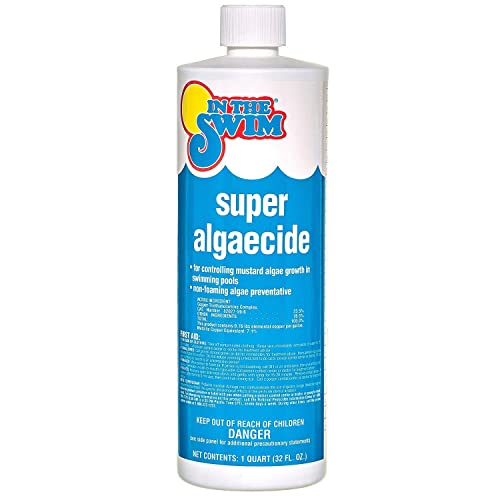
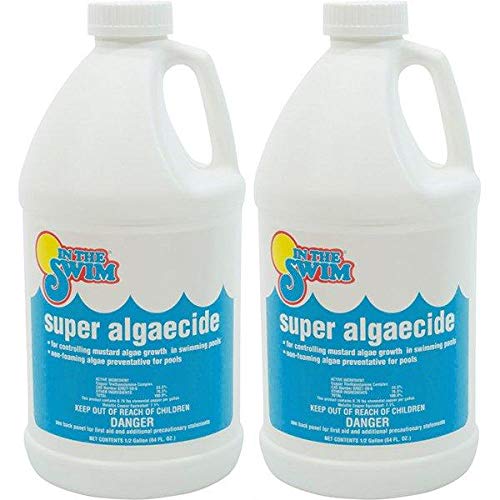
The In The Swim Super Algaecide products and Pool Season Polyquat 60 are chemical treatments, not automatic cleaners. Their descriptions identify algae prevention or control as the intended use, with different formulations. The copper-based In The Swim product includes chelated copper, while the Pool Season product is described as non-metallic Polyquat 60. Follow the label for dosage, compatibility, water balance, and swim timing rather than applying a product based on a broad marketing phrase.
Algaecide is not a substitute for maintaining sanitizer and balanced water, and a product description alone cannot determine the right treatment for a particular pool. Copper-based products can be a consideration for owners concerned about staining, so read the label and verify suitability for your surface and water conditions. The Pool Season listing states that its formula is non-foaming and compatible with chlorine, bromine, and saltwater systems; check its actual label and your pool-care instructions before use.
In The Swim Super Pool Tile and Vinyl Cleaner is intended for cleaning buildup from pool surfaces rather than collecting debris. Its description names waterline buildup, scum rings, and calcium deposits, and says to apply it to a damp surface and wipe clean with water and a sponge or cloth. Check label directions and test any surface-care product as instructed, especially if you are unsure about compatibility with a liner or finish. Never mix pool chemicals or cleaners unless their labels explicitly permit it.
For cloudy water and organic residue, ADIOS! is described as an enzyme clarifier that targets substances such as oils, sunscreen, and soap. It is not a replacement for a robotic or suction-side vacuum when leaves or settled grit need physical removal. The product description provides a treatment amount for stated pool volumes, but pool conditions and label instructions still govern use. Keeping the problem category clear helps avoid buying a chemical for a mechanical cleaning job, or the reverse.
Build a realistic maintenance routine around the cleaner
Automatic cleaning reduces some manual work, but it does not remove the need to inspect filters, hoses, brushes, and pool water. Empty or rinse a robot’s filter according to its manual, and inspect the suction cleaner’s hose and connections if it stops moving as expected. A full filter, poor circulation, an obstruction, or a connection problem can interfere with cleaning, but diagnose the actual cause rather than assuming the motor has failed. Disconnect power before servicing equipment, and follow the product’s maintenance directions.
Keep expectations realistic for steps, ladders, and tight corners. The product data names coverage and some navigation features but does not establish that any listed model cleans every step, tanning ledge, or recess. A pool with unusual obstacles may still need spot brushing or manual attention. If your cleaner repeatedly stops at a drain cover or does not reach a wall, consult the manual and check whether the model’s intended pool profile matches yours before changing settings or fittings.
Water chemistry also matters to equipment care. Follow the pool cleaner manufacturer’s instructions about removing equipment during shock treatment or other chemical adjustments; the supplied product data does not specify a universal safe exposure limit. Balanced water and correct storage can help avoid unnecessary strain on pool equipment, but do not infer a precise maintenance interval or chemical tolerance without product guidance. Before lifting a water-filled unit, use a controlled grip and follow the manufacturer’s retrieval instructions rather than pulling on an electrical cord.
Choose by the job you need done
For an above-ground pool within its stated size limit and a floor-focused routine, the Nautilus AG is the clearest match in the supplied specifications. For an inground pool where cordless operation and listed wall or waterline cleaning matter, compare the C1, AIPER, and BRINBO descriptions closely, including charging and stated coverage. For an inground owner who prefers a suction-side design, the Zodiac G3 is the relevant automatic vacuum option, subject to pump and plumbing checks. No single feature establishes which will work best in every pool.
Use the other listed products for their stated supporting roles: surface cleaner for waterline deposits, algaecide for algae management, and enzyme clarifier for certain organic contaminants. They should not be counted as alternatives to a pool vacuum. The practical decision is to identify the cleaning task first, confirm pool and equipment compatibility second, then compare the maintenance and operating tradeoffs you are willing to manage. Check current product documentation before ordering, particularly where surface compatibility, app setup, or suction plumbing is involved.
For a pool cleaner purchase, prioritize a clear match between the unit’s listed pool type, cleaning coverage, and your actual debris problem. Verify the manual’s compatibility and safety directions before using it, and treat chemical-care products as a separate part of pool maintenance rather than a substitute for vacuuming.




Write Your Review
No reviews yet. Be the first to share your experience!