
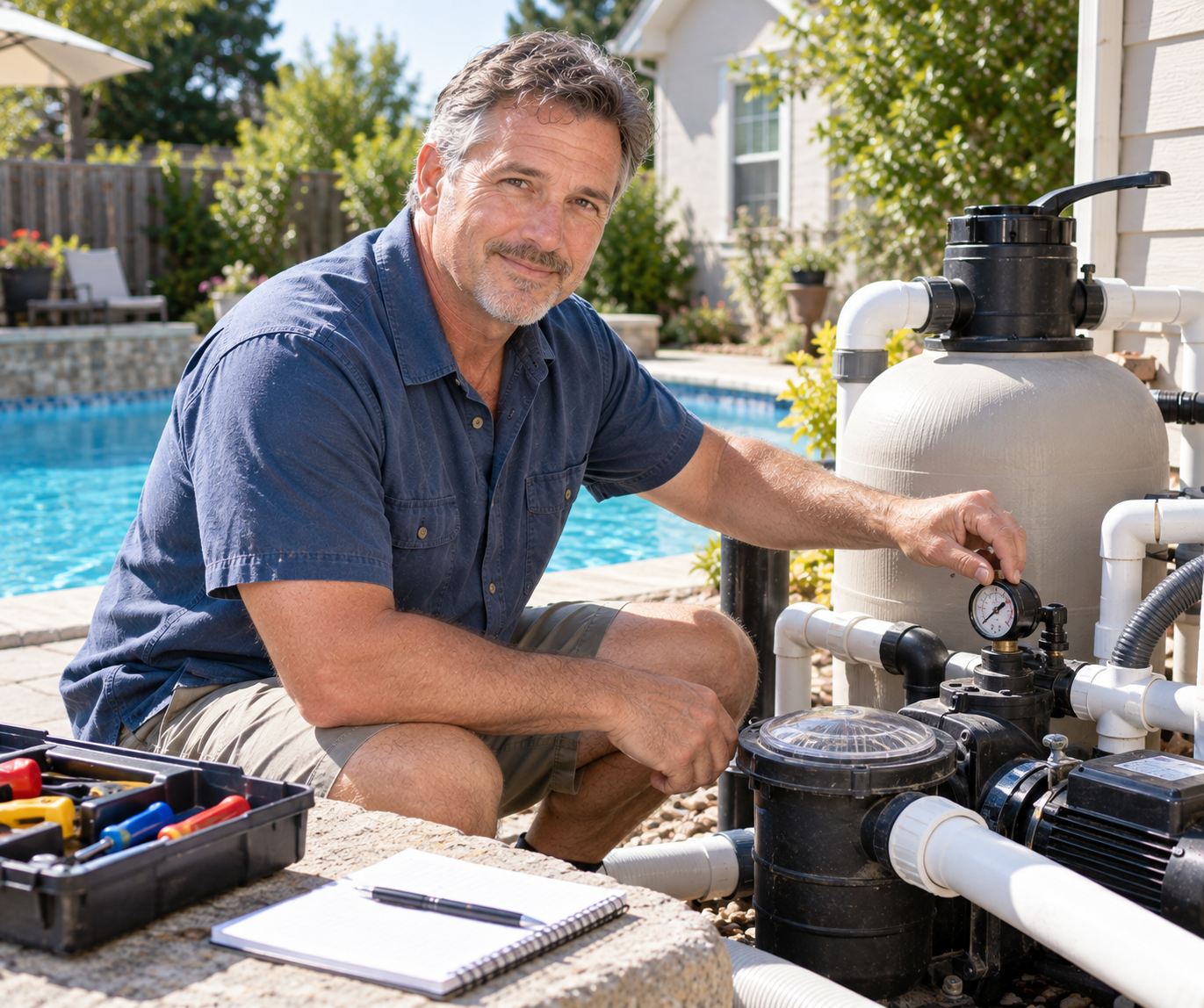

Manual vacuuming takes time, and an automatic cleaner can help with routine debris on the pool floor. But a cleaner that stalls on a raised drain, needs more pump flow than your system provides, or cannot handle your pool’s layout may create new maintenance headaches. The answer to what is the best creepy crawly pool cleaner depends on whether you want a suction-side unit connected to pool plumbing or a robotic model with its own cleaning system.
The products listed here include suction cleaners for different pool setups and a corded robotic option, along with a cordless robotic model. Their listed features vary: some require a minimum pump capacity, while others describe wall climbing or separate filtration. Check the product’s stated pool type, plumbing requirements, hose length, and coverage before choosing. A clarifier or enzyme treatment may support water care, but it is not a mechanical pool cleaner and will not replace debris removal.



What Makes a Creepy Crawly Cleaner the Right Choice?
There is no single best creepy crawly pool cleaner for every pool. The closest match depends on pool type, circulation equipment, debris, and the areas you expect the cleaner to reach. The listed options include suction-side cleaners that use the pool’s filtration system and robotic cleaners with distinct power and filtration arrangements. Start by confirming which type matches your installation, then compare the details the manufacturer provides.
Start with the cleaning system your pool can support
A suction-side cleaner connects to the pool’s suction plumbing, commonly through a skimmer, and depends on circulation flow to move and collect debris. That setup can be appealing if you want a cleaner without a separate robotic power supply, but the pump must meet the cleaner’s stated requirements. The Pentair Kreepy Krauly Kruiser is listed as an inground suction-side cleaner with a wider mouth for large and small debris, easy installation, and one moving part. Its product details do not provide a minimum pump horsepower or flow rate, so confirm those requirements with the manufacturer before purchasing.
The VINGLI automatic suction models have a more specific stated threshold: their listings call for at least a three-quarter-horsepower pool pump or a flow rate of 1,600 gallons per hour. The XtremepowerUS listing calls for at least a one-horsepower pump or 1,600 gallons per hour. These figures are product-specific, not general requirements for every suction cleaner. If you use a variable-speed pump or run it at a low setting, verify that the cleaner can receive enough flow during its operating schedule.
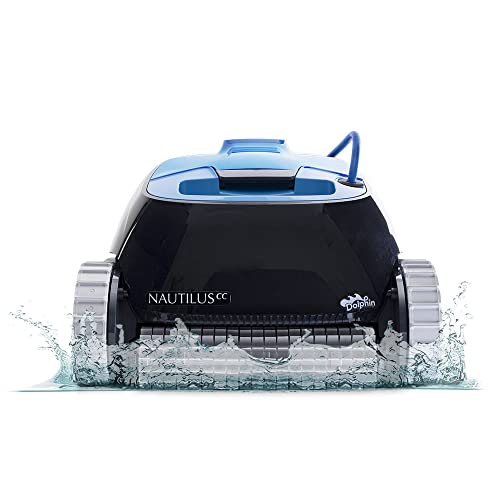
Robotic cleaners offer a different arrangement. The Dolphin Nautilus CC is described as a plug-and-play robotic cleaner that cleans the floor and climbs walls, with a top-load filter basket and a listed two-hour cleaning cycle. The cordless TALOSBO C1 listing describes app control, multiple modes, and floor, wall, and waterline cleaning, with a stated pool-area rating and runtime. Those are manufacturer-listed features, not promises that every pool shape or surface will receive identical coverage. Compare the exact model instructions with your pool before relying on a coverage claim.
Match pool type, shape, and obstacles
Pool type matters because not every suction cleaner is listed for the same installation. The Pentair Lil Shark is described as an above-ground pool cleaner that installs in the skimmer and includes a 32-foot hose. The U.S. Pool Supply Octopus is presented primarily for inground pools, with some above-ground and self-supporting pools listed as possible applications, but its description excludes soft-wall and vinyl-lined pools. That caveat is significant: do not assume that a cleaner’s ability to vacuum debris means it is suitable for every liner or wall construction.
Shape and fittings can affect where an automatic unit travels. Raised main drains, steps, ladders, tight corners, and changes in floor slope can interfere with movement, even when a product description says it is designed to move around obstacles. VINGLI and XtremepowerUS list wheel deflectors intended to help the cleaner move around corners or avoid getting caught. Treat that as a design feature, not a guarantee that the unit will negotiate every obstacle in your pool.
Wall-climbing language also needs context. Several listings describe wall climbing, but only the TALOSBO listing specifically mentions waterline scrubbing, and its coverage claims are manufacturer descriptions. No supplied product details establish suitability for every finish, such as vinyl, fiberglass, plaster, or tile. If wall climbing is important, check the manufacturer’s surface compatibility information for your exact pool finish and look for guidance on steps, ledges, and transitions.
Consider debris size and the filter you will maintain
Large leaves, small debris, fine sand, and cloudy water are different problems. The Kruiser listing says its wider mouth handles large and small debris, while the Lil Shark has an adjustable cleaning path and a brush ring that scrubs and vacuums. Those features describe the intake and cleaning design, but the supplied information does not give a micron rating or establish that either cleaner captures very fine particles. Avoid assuming that a mechanical cleaner will solve cloudy water caused by particles that pass through your pool’s filtration system.
The Dolphin Nautilus CC uses a top-load filter basket, which may make access convenient for routine debris removal. The TALOSBO product description identifies dual-layer filtration intended to capture large debris and finer particles, but it does not provide a micron rating. Clean and inspect a cleaner’s filter according to its instructions, because a loaded filter can limit its ability to collect debris. Also consider whether you prefer rinsing an internal basket or relying on your pool’s existing filtration equipment.
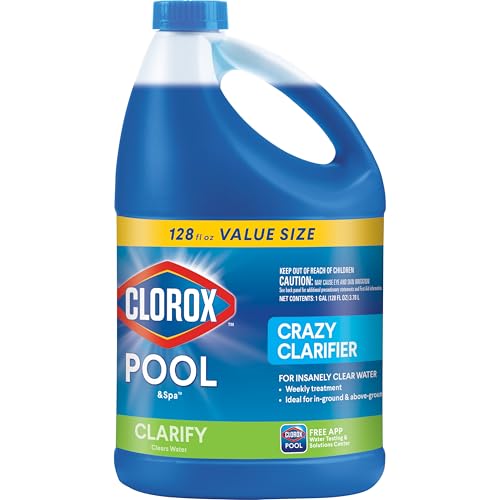
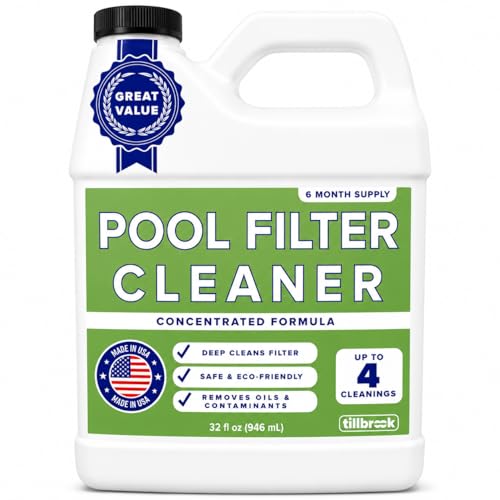
Some items included in the product listing are not cleaners in the mechanical sense. Clorox Crazy Clarifier is a water-treatment product described for improving filtration and clarifying cloudy water, while ADIOS! is an enzyme product described for organic contaminants and water clarity. Neither replaces an automatic vacuum for leaves or settled dirt. Follow each chemical product’s label, pool-volume directions, and compatibility guidance rather than combining treatments based on assumptions.
Check hose length and pump demands before ordering
A suction cleaner’s hose must reach the pool’s working area without being unnecessarily long or too short. The listed VINGLI models include 33 feet of hose, the U.S. Pool Supply Octopus includes 33 feet, and the XtremepowerUS model includes 30 feet. The Lil Shark includes 32 feet. Compare the included length with your pool dimensions and the intended connection point, and confirm whether the hose sections and fittings match the manufacturer’s setup instructions.
Hose length alone does not determine whether a suction cleaner will move correctly. The cleaner also relies on suitable flow, and the product descriptions show that some models specify pump thresholds while others do not. Too little flow may prevent a unit from operating as intended, while an incorrect connection or hose arrangement can complicate setup. Use the supplied instructions for the model and connection type, and ask the manufacturer or pool professional if your pump configuration is unclear.
Skimmer hookup details are especially important for an above-ground cleaner such as the Lil Shark, whose listing specifies installation in the skimmer. The available information does not establish that every skimmer, suction port, or plumbing arrangement is interchangeable. Do not force a connection or modify pool plumbing based on a generic description. Follow the cleaner and pool-equipment manuals, and keep existing suction-safety devices and fittings in service.
Understand the tradeoffs between suction and robotic models
A suction-side cleaner uses the circulation system already installed at the pool, so its operation is tied to the pump and filtration setup. That can make it a straightforward choice for owners whose pool plumbing and pump meet the cleaner’s requirements. It also means pump compatibility deserves attention before purchase, particularly with the VINGLI and XtremepowerUS models that list minimum thresholds. Check how the cleaner connects and whether the pool’s usual pump schedule provides the required operation conditions.
A robotic model has its own cleaning mechanism and filter, but it brings different practical considerations. The corded Dolphin Nautilus CC is listed with a power supply and a two-hour cycle; the TALOSBO is described as cordless and includes charging and runtime claims in its product information. A cordless design removes the floating power cord from the pool during cleaning, but charging and retrieval become part of ownership. Do not infer battery life beyond the manufacturer’s stated information or assume a robot will clean narrow steps and shallow shelves.
Product descriptions can help narrow the choice, but they do not establish long-term parts availability or total maintenance cost. Before buying, check the current manufacturer documentation for replacement filters, hoses, diaphragms, brushes, and warranty coverage. The U.S. Pool Supply Octopus listing notes that a replacement diaphragm is included, while other supplied listings do not provide comparable parts details. A model with a simple listed mechanism may still need periodic inspection and service.
Keep expectations realistic around walls and waterlines
Floor cleaning is not the same as complete pool maintenance. A cleaner may collect settled debris while leaving narrow steps, corners, tanning ledges, or waterline buildup for manual attention. The TALOSBO listing explicitly describes waterline cleaning, and several other product listings mention wall climbing, but the source information does not confirm that each model reaches every section of every pool. Consider which areas create the most work in your particular layout.
Persistent algae or a stubborn waterline ring may need separate diagnosis and treatment. A pool cleaner’s brushes and suction path remove debris, but no supplied specification promises removal of all algae, scale, or stains. Check water balance and follow the guidance for your pool surface before using chemicals or abrasive tools. If a recurring mark remains after ordinary cleaning, identify its cause instead of expecting a crawler to correct a water-chemistry problem.
Before a cleaning cycle, remove loose debris from skimmer and pump baskets as directed by your pool-equipment instructions, then check that the cleaner’s intake and filter are clear. For a suction model, confirm the hose is assembled and connected as specified, and verify that the pump meets the model’s requirements. For an electric robotic cleaner, use the supplied power equipment and follow its electrical safety instructions, including GFCI protection where required. Never handle electrical components with wet hands or use a damaged cord or power supply.
Make the final choice based on the pool, not the label
For an above-ground pool with a compatible skimmer setup, the Pentair Lil Shark is a relevant option to investigate because its listing identifies that pool type and connection. For an inground pool, the Kruiser, VINGLI, XtremepowerUS, and U.S. Pool Supply suction models offer distinct hose, pump, and installation details that should be checked against the equipment pad. Owners who prefer a robotic approach can compare the Dolphin’s corded design with the cordless TALOSBO’s listed modes and coverage claims. None should be treated as universally suitable without confirming pool and surface compatibility.
Price is only one part of the ownership decision, and current prices can change. Consider whether your pump can support a suction cleaner, how much hose setup you want to manage, whether wall or waterline coverage is important, and how you will clean the filter. For a broader look at the product options, use the specifications in each listing as a starting point and verify uncertain details with the manufacturer. A clear match between pool setup and cleaner requirements is more useful than choosing by a broad “creepy crawly” label alone.
The practical answer is to choose a cleaner whose stated pool type, connection, pump requirements, and coverage align with your installation. Confirm surface guidance and obstacle limitations before ordering, then follow the product manual for setup and maintenance. That approach helps separate a suitable automatic cleaner from a water clarifier or enzyme treatment, which serves a different pool-care purpose.




Write Your Review
No reviews yet. Be the first to share your experience!