
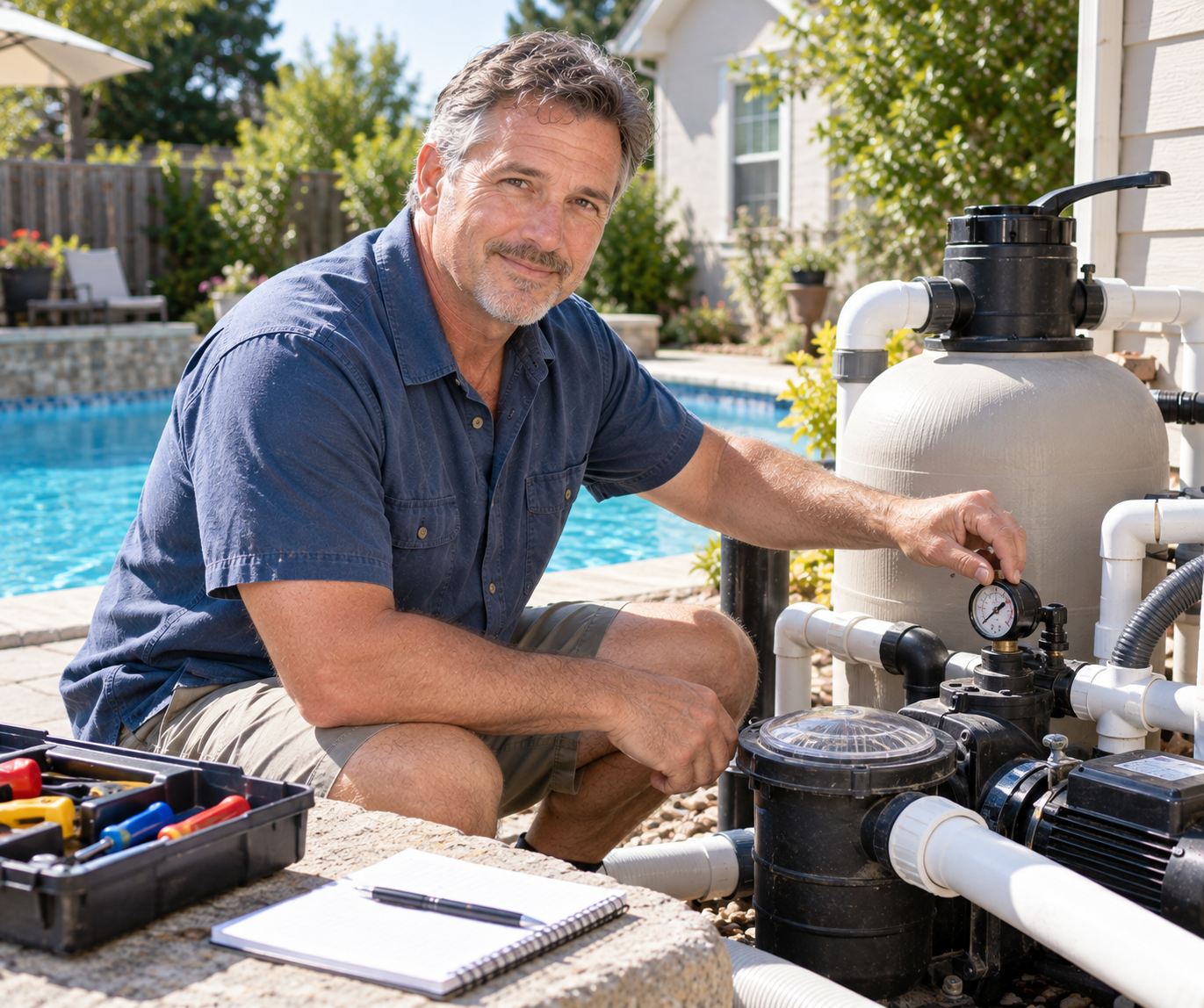

Leaves can fill a skimmer basket quickly, while fine sand and silt may keep settling on the floor after the larger debris is gone. An automatic cleaner can reduce routine vacuuming, but the right setup depends on how it connects to your pool, what debris it can collect, and whether it reaches the areas that need attention. A cleaner that stalls because the circulation pump cannot supply enough suction is no time-saver, and a floor-only cordless robot won’t solve a wall-cleaning problem.
So, what is the best automatic inground pool cleaner? There isn’t one right answer for every pool. Suction-side models use the pool’s filtration system, a pressure-side cleaner may need a separate booster pump, and a robotic model runs its own cleaning cycle. The products listed below include all three approaches, plus cordless robots with different coverage and runtime claims. Matching the cleaner to your surface, plumbing, debris, and desired coverage is more useful than choosing by feature count alone.
Top Products



Choosing an Automatic Cleaner for an Inground Pool
A practical starting point is deciding whether the cleaner should depend on pool plumbing or operate as a separate robot. That choice affects setup, filtration, and routine handling. The listed options include suction-side cleaners, a pressure-side model, corded robotic equipment, and cordless robotic vacuums. Their specifications point to different use cases rather than one universal winner.
Match the cleaning system to your pool equipment
A suction-side cleaner connects to a dedicated suction line or, where the setup allows, through the skimmer. The Zodiac MX6 is listed with a 32-foot Twist Lock hose and connection accessories for either arrangement. VINGLI’s suction cleaners connect to existing filtration equipment and include sectional hoses, but their listed pump requirements differ: one calls for at least a 3/4-horsepower pump or 1,700 gallons per hour, while another lists 3/4 horsepower or 1,600 gallons per hour.
Those figures are product-specific, not general rules for every suction cleaner. XtremepowerUS lists a minimum 1-horsepower pump or 1,600 gallons per hour for its model. Check the exact model instructions and your pump’s operating setup before buying, especially if you use a variable-speed pump. If available suction is inadequate, a cleaner may move poorly or fail to cover the pool as intended.
A pressure-side cleaner has a different plumbing and equipment dependency. The Polaris Vac-Sweep 280 is described as powered by a separate booster pump and includes a feed hose and filter bag. If your pool does not already have the required compatible arrangement, account for the additional equipment and installation implications rather than assuming it can connect like a suction cleaner. Follow the manufacturer’s setup guidance and avoid improvising pressure-side plumbing connections.
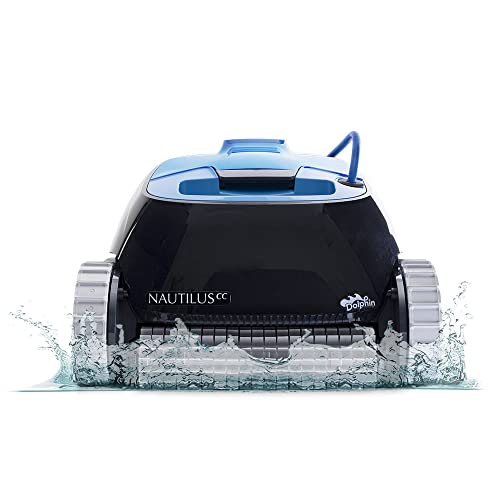
A robotic cleaner is a more self-contained option: it collects debris in its own filter or basket instead of sending it through the pool’s skimmer and main filter in the same way as a suction-side unit. Corded and cordless robots still differ. The Dolphin Nautilus CC is a plug-in model listed for pools up to 33 feet in length, while several other options use rechargeable batteries and specify a maximum pool area or runtime.
Check whether floor, walls, and waterline are covered
Coverage claims need close attention because floor cleaning is not the same as wall or waterline cleaning. The Dolphin Nautilus CC is listed as climbing walls and has an active scrubbing brush, but its product information does not specify waterline cleaning. The cordless WYBOT C1 lists floor, walls, waterline, and steps as its intended coverage. The other cordless robots vary: some offer floor, wall, or full-coverage modes, while the C5 is described as a full-floor cleaner for flat-bottom pools.
That distinction matters if algae or residue tends to gather along the tile line. A floor-focused cleaner may reduce settled debris without scrubbing that band, so brushing could remain part of the routine. Even a model described for wall cleaning may not handle every transition, step, or built-in feature in the same way. Pool shape, wall slope, ledges, and obstacles can affect where a cleaner travels, and supplied specifications do not confirm that any option can clean every niche or step.
Suction-side models may appeal when you want a cleaner that works with your existing circulation system. The MX6 uses a cyclonic turbine and X-Trax for traction, and its manufacturer describes floor-and-wall navigation driven by suction. Polaris describes the 280 as sweeping and scrubbing floors and walls, with a large inlet for debris. Those claims describe intended design, not a guarantee of coverage in every pool configuration.
Consider the debris and the cleaner’s collection method
Large leaves, acorns, and small stones can challenge a fine-debris-focused setup by filling collection areas quickly. The Polaris 280 uses a single-chamber filter bag and lists leaves, acorns, pebbles, and other debris among the material it can capture. Suction-side cleaners route collected debris into the pool’s filtration system, so skimmer and pump baskets still need routine attention. A heavy leaf drop can make that maintenance more frequent regardless of which automatic cleaner you select.
Robotic models collect debris in onboard baskets or filters, which keeps the cleaning load separate from the pool’s normal circulation filter. The OUCAXIA C5 lists a 2.7-liter top-loading basket and a washable mesh filter. Its description says it is intended to collect leaves, sand, dirt, and fine debris, but does not provide a micron rating. Don’t assume that a general claim about fine debris means the cleaner has a specified filtration efficiency for very fine silt or dead algae.
Emptying a basket is part of ownership, not an optional detail. A top-access design, such as the C5’s, can make debris access straightforward, while a pressure-side bag needs to be removed and emptied after use. Check how the selected model’s collection system is accessed and cleaned, and follow its maintenance instructions. If your pool is surrounded by trees, collection capacity and ease of emptying may matter as much as the headline cleaning mode.
Weigh cordless convenience against runtime and retrieval
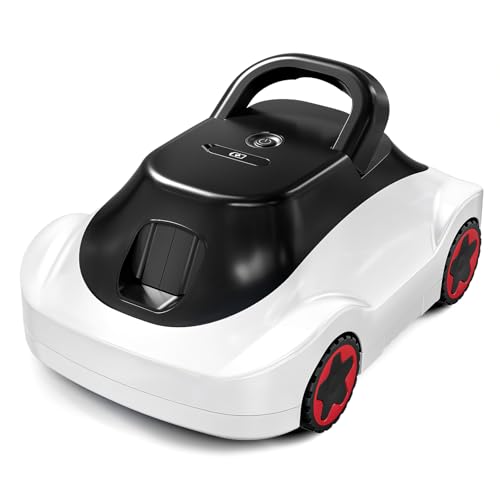
Cordless robots avoid a floating power cord during a cleaning cycle, but their battery runtime and pool-area limits need to match the job. The Lodoba model lists up to 190 minutes of runtime, a three-hour recharge, and coverage up to 2,150 square feet. The WYBOT C1 lists up to 160 minutes, a four-hour charge, and a pool size up to 1,618 square feet. These are manufacturer-listed specifications, not a promise that every pool will be cleaned completely in one cycle.
Other cordless options have their own limitations. The Poofata description lists up to 250 minutes and says it is not suitable for pool floors with slopes. The C5 is intended for flat-bottom pools up to 2,200 square feet and lists a maximum incline of 10 degrees. Those distinctions make floor profile important: a larger area rating won’t compensate for a shape or slope the cleaner isn’t designed to handle.
Retrieval is worth considering before a cordless unit is in the deep end. The Poofata description says the cleaner parks near the pool edge when the cycle finishes or battery runs low, and the C5 also lists smart auto-parking and an included retrieval hook. These features may make collection easier, but confirm exactly how the selected model is retrieved. Use the supplied handle or hook as directed; don’t enter deep water to reach a unit when a safe retrieval method is available.
A corded robotic cleaner avoids battery recharge intervals, but it adds a cable to manage. The supplied Nautilus CC information describes plug-and-play use, top-load filter access, and a two-hour cycle; it does not specify a cord length or an anti-tangle swivel. Keep the power supply and cable arranged according to manufacturer instructions, verify appropriate GFCI protection, and never pull a robotic cleaner from the pool by its electrical cable. Disconnect its power source before maintenance.
Read surface and obstacle claims cautiously
Surface compatibility is a purchase requirement, not a detail to infer from a generic claim that a cleaner suits inground pools. Polaris lists vinyl, fiberglass, gunite, pebble, and tile among the surfaces compatible with the Vac-Sweep 280. The Lodoba robot’s description lists tile, vinyl, and concrete, while the C5 lists vinyl, concrete, fiberglass, and mosaic tile. Confirm the exact model’s current manufacturer instructions for your finish before placing an order.
Pool geometry can create problems that a broad coverage claim doesn’t answer. Raised drain covers, ladders, tight corners, and transitions into a deep end can interrupt a cleaner’s path. VINGLI lists a wheel deflector for movement around tight corners, and the Lodoba model lists tracks and an ability to climb slopes up to 40 degrees. Neither detail establishes that the cleaner will clear every drain, ladder, or steep transition in your pool.
Watch for recurring hang-ups during normal, supervised use and consult the model’s manual if the cleaner repeatedly stops at the same obstacle. Don’t remove, bypass, or alter a drain cover or safety fitting to make a cleaner pass. On delicate finishes, use only products that the manufacturer identifies as suitable for the specific surface, and stop using a cleaner if you observe unexpected abrasion or damage.
Make the shortlist by eliminating mismatches first
Start with the equipment your pool already has. If you have a suitable suction connection and a pump that meets the selected model’s stated requirement, a suction-side cleaner may be a simpler fit than adding a separate system. If your setup supports a booster pump and you want pressure-side debris collection, examine the Polaris 280’s requirements and bag arrangement. If you want a separate onboard filter, compare robotic choices by surface, pool size, coverage, and power type.
Next, rule out cleaners that don’t match the pool’s shape or cleaning priorities. A floor-only model is a poor match if wall and waterline scrubbing are central needs. A cordless cleaner with a stated area limit or slope restriction may not suit a large, steeply profiled pool. For a corded robot, check cable reach and the required power-supply placement in the manufacturer’s documentation, since the supplied Nautilus CC data does not give a cable length.
Then consider the maintenance tradeoff you are willing to accept. A suction-side cleaner depends on pump flow and can add debris to the pool filtration system. A pressure-side setup involves a booster pump and a separate debris bag. Robotic models require their onboard filters or baskets to be emptied, and battery models also need charging between cycles. Replacement part availability and warranty terms are not fully detailed in the supplied information, so verify both before purchase.
Keep setup, upkeep, and water treatment in view
Installation details can determine whether an otherwise suitable cleaner runs as intended. Suction models need correctly connected hoses and sufficient pump flow; VINGLI specifically advises connecting hoses tightly, bleeding air from them, and checking suction. Use the manufacturer’s installation instructions for skimmer or dedicated-line connections and preserve any required safety fittings. A professional pool service may be appropriate if you’re unsure whether an existing line or pump arrangement is suitable.
Routine care differs by cleaner type, but every design benefits from attention to its collection area and moving parts. Empty and rinse robot baskets or filters as instructed, and check suction hoses or the cleaner diaphragm if the unit stops moving or loses suction. The VINGLI product information specifically suggests checking its diaphragm for a gap or trapped small rock if the vacuum does not work. Disconnect power before servicing electrical equipment, and follow the product manual rather than attempting an improvised repair.
Pool water treatment also matters to equipment care. Don’t run a cleaner through a shock treatment unless its manufacturer says that is permitted; remove it beforehand when the product instructions call for removal. Keep water balanced according to your pool-care guidance, and use the manufacturer’s storage and winterization directions when the swimming season ends. Avoid assuming that one cleaner’s chemical or temperature limits apply to another.
The most suitable option is the one that matches your pool’s plumbing, surface, debris, and coverage needs without asking the cleaner to do a job outside its stated limits. Check pump requirements for suction units, booster-pump needs for pressure-side equipment, and area, slope, and runtime specifications for cordless robots. A careful match can reduce routine vacuuming, but it won’t remove the need to empty filters, monitor obstacles, and maintain the pool safely.



Write Your Review
No reviews yet. Be the first to share your experience!