


Starting the hydrotherapy jets only to watch thick, frothy suds rise across the water line can instantly ruin an evening soak. While light aeration bubbles naturally appear when air mixes with high-pressure water, persistent surface froth indicates that something is fundamentally off balance in your water chemistry. Many new and experienced spa owners ask should a hot tub be foamy during normal operation, and the simple answer is no. Healthy spa water should remain transparent, allowing bubbles to pop immediately at the surface rather than stacking into dense, lingering mounds. Protecting your spa investment with a protective hot tub cover keeps organic debris and rainwater out, but internal contaminants require targeted care.
Foam develops when dissolved surfactants, such as laundry detergents, body lotions, cosmetics, or organic biofilms, decrease the surface tension of the water. When high-flow jet pumps introduce air into this contaminated mixture, bubbles become trapped in oily organic films and stack into suds. Understanding how to manage hot tub foam protects your internal plumbing, prevents skin irritation, and keeps your sanitizing system running efficiently. With proper maintenance, weekly water testing, and the right chemical treatments, you can restore crystal-clear water and keep surface suds from returning.
Pros
- Effectively dislodges stubborn pipe residue and organic buildup prior to draining
- Improves jet performance and circulation efficiency throughout the entire plumbing system
- Helps eliminate recurring foam and chemical demand caused by dirty internal lines
- Compatible with both indoor and outdoor hot tubs as well as larger swim spas
Cons
- Requires a full water drain and shell wipe-down after the cleaning cycle is completed
- Not an in-use water treatment, so the hot tub cannot be used while the cleaner is circulating
- Very large swim spas or heavily neglected plumbing may require more than one 16-ounce bottle depending on dosing instructions
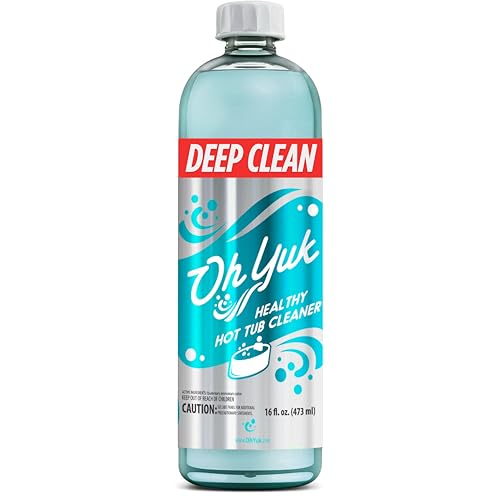
Oh Yuk Healthy Hot Tub Cleaner is a concentrated 16-fluid-ounce plumbing flush formulated to purge interior pipe walls, jet lines, and circulation fittings in indoor and outdoor hot tubs, portable spas, and swim spas. It is engineered specifically for homeowners, vacation rental operators, and regular spa owners preparing for a scheduled drain-and-refill cycle who want to eliminate the hidden organic waste that normal filtration and sanitizing tablets leave behind.
Hidden pipe buildup and accumulated body oils inside circulation lines are frequent culprits behind recurring cloudy water, surface foaming, and weakened jet pressure. By penetrating the interior plumbing pathways, this cleaner lifts and suspends embedded contaminants so they circulate out into the main footwell. This deep purge enables fresh water treatments to work much more effectively after refilling, since sanitizers no longer have to expend oxidation power fighting hidden line residue.
Circulation line maintenance directly benefits mechanical equipment by helping water move freely through pumps, heaters, and filter manifolds. When plumbing lines remain free of restrictive film and buildup, circulation pumps operate with less backpressure, allowing filter cartridges to trap suspended solids cleanly and consistently without unnecessary mechanical strain.
Using a plumbing cleaner requires timing your application around a complete water change, as the dislodged residue must be drained from the spa shell after running the jets. Hot tub owners should expect to wipe down the acrylic surface and water line once the tub empties, removing any residual oils before rinsing and refilling with fresh tap water.
While the 16-ounce bottle provides convenient handling for standard backyard spas, owners of oversized swim spas or tubs with years of neglected plumbing should check manufacturer dosage directions to ensure adequate volume. Furthermore, this product is designed purely as an evacuation flush before draining, meaning bathers must wait until the tub is emptied, rinsed, and refilled with fresh, balanced water before soaking.
For spa owners battling persistent water cloudiness or those establishing a dependable seasonal maintenance schedule, Oh Yuk Healthy Hot Tub Cleaner delivers a practical way to reset circulation lines. Verifying your spa water capacity and having clean towels or sponges ready to wipe the shell after draining ensures a smooth cleaning process and pristine water for your next soak.
Using Oh Yuk Healthy Hot Tub Cleaner is most effective when coordinated with your regular quarterly drain-and-refill schedule. Remove your filter cartridges prior to running the cleaner through the system to avoid trapping heavy dislodged gunk inside your primary filter pleats.
Turn on all jet pumps and allow the cleaner to circulate thoroughly through all plumbing lines according to the manufacturer label directions. Once the cleaning cycle finishes, drain the spa completely and wipe down the acrylic shell to remove any lifted oils and residue before refilling with fresh water.

Pros
- Compatible with all sanitizer types, removing the guesswork about whether it will work with your existing water-care system
- Fast-acting formula targets surface foam on contact, which can restore a pleasant soaking experience in minutes rather than hours
- Small, lightweight bottle is convenient to keep near the spa for immediate use whenever foam appears
- Straightforward application makes it accessible for first-time spa owners who may not yet be comfortable with complex chemical treatments
Cons
- Anti-foam products treat the symptom rather than the root cause - persistent foaming may indicate the need for a water change, filter cleaning, or adjusted bather habits
- A single 1-pint bottle may not last long for owners who use their hot tub frequently or have recurring foam issues from high bather loads
- The product listing does not specify exact dosing instructions per gallon of spa water, so buyers should check the bottle label carefully before applying
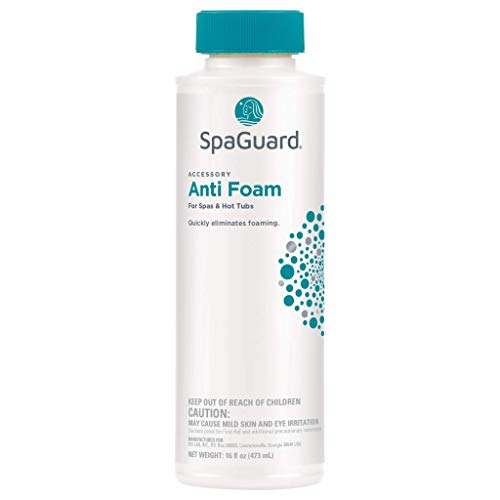
SpaGuard Spa Anti-Foam is a dedicated foam-elimination treatment sold in a 1-pint bottle and designed for use in all spas and hot tubs. It's best suited for hot tub owners who occasionally or regularly encounter surface foam - a common nuisance caused by residual detergents from swimwear, body lotions, cosmetics, deodorants, and other personal-care products that dissolve into warm, agitated water. Rather than requiring a full drain-and-refill, this product offers a fast, targeted way to clear foam and get back to enjoying a clean-looking soak.
The product is listed as compatible with all sanitizer types, which is a meaningful practical advantage. Whether a spa runs on chlorine, bromine, a saltwater chlorine generator, or a mineral-based system, SpaGuard Anti-Foam should integrate without conflicting with the existing water-care chemistry. This broad compatibility makes it a convenient shelf staple for households that may switch sanitizer methods over time, or for vacation-rental operators and property managers maintaining multiple spas with different setups.
From a day-to-day ownership standpoint, foam tends to appear most often after parties, after new bathers who haven't showered first, or when swimsuits have been washed with standard laundry detergent. A quick dose of anti-foam can restore the water's appearance without disrupting a planned soak. The compact bottle dimensions - roughly 7.6 x 2.3 x 2.3 inches and about 1 pound - mean it tucks easily into a spa-side storage bin, a maintenance caddy, or even a small outdoor cabinet. Older users or anyone who prefers minimal fuss with their water care will appreciate that there's no mixing or special equipment involved.
It's worth noting that anti-foam treatments address the visible symptom of foaming but don't resolve the underlying water-quality issue. If foam keeps returning quickly after treatment, that's typically a signal that total dissolved solids (TDS) are high, the water is overdue for a drain and refill, or the filter needs cleaning or replacement. Relying solely on anti-foam without investigating root causes can mask water-balance problems. Many experienced spa owners use anti-foam as a bridge solution - clearing foam for an evening soak while planning a water change for the weekend, for example.
For hot tub owners in any climate - whether dealing with heavy use in warm weather or maintaining a spa through cold-weather soaking season - foam can appear year-round. High-UV environments don't specifically cause foam, but increased sunscreen use among bathers certainly contributes. Families with kids who jump in without rinsing off, couples hosting friends, and rental operators with frequent guest turnover are all likely to encounter foam regularly enough to justify keeping a bottle on hand.
SpaGuard Spa Anti-Foam is a practical, low-cost maintenance product for any hot tub owner who wants a quick fix for surface foam. It's especially useful for first-time spa owners still learning water-care basics, busy families who want their spa ready on short notice, and property managers who need to keep rental spas looking inviting between guests. Before purchasing, consider how frequently foam appears in your spa - occasional users may find a single pint lasts a full season, while heavy-use spas may go through it faster. Pairing anti-foam with good bather habits like pre-soak rinsing and washing swimwear without detergent can reduce the need for repeated treatments.
SpaGuard Spa Anti-Foam is a reactive maintenance product rather than a preventive one. It works best as part of a broader water-care routine that includes regular filter cleaning or replacement, balanced sanitizer levels, and periodic water changes. When foam appears, a small dose applied directly to the water surface should begin dispersing foam quickly according to the product description.
To minimize how often anti-foam is needed, many spa owners encourage bathers to shower before entering the spa and avoid laundering swimwear with standard detergent - fabric softener and detergent residue are among the most common foam triggers. Keeping the spa filter clean also helps, since a clogged or degraded filter allows more contaminants to circulate. If foam persists even after treatment, testing total dissolved solids and considering a fresh water fill is a practical next step.
Store the bottle in a cool, dry location away from direct sunlight, consistent with standard chemical storage practices. The compact size makes it easy to keep alongside other water-care products without cluttering your storage area. Always check the product label for specific dosing guidance based on your spa's water volume before applying.

Understanding Hot Tub Foam: Causes, Chemistry, and Fast Solutions
A properly maintained spa should never produce thick, lingering foam when the hydrotherapy jets are active. While many hot tub owners wonder should a hot tub be foamy after starting massage pumps, persistent froth indicates water contamination rather than normal aeration. When chemistry drifts or foreign residues accumulate, water cannot shed trapped air cleanly. Addressing this issue promptly protects your spa components, maintains sanitizer efficacy, and ensures a clean soaking environment.
Aeration Bubbles vs. Chemical Foam: How to Tell the Difference
Distinguishing between harmless hydrotherapy aeration and problematic chemical foam is the first step in diagnosing your water condition. When high-output jet pumps force air into the water stream, mechanical air bubbles naturally collect on the surface. These physical bubbles pop within seconds after the pumps stop, leaving the surface clear. Natural bubbles remain transparent, lack stickiness, and do not cling to the acrylic shell.
Problematic foam behaves quite differently because dissolved surfactants stabilize the bubble walls. Chemical froth forms dense, opaque white mounds that stack several inches high across the water line. When you turn off the jets, this chemical foam lingers on the surface for minutes or hours without popping. Scooping a handful reveals a slick, soapy texture, indicating that surface tension has been compromised.
In severe cases, chemical foam develops an off-white or brown tint accompanied by a musty odor. Discolored froth typically points to an accumulation of organic oils, heavy bather waste, or plumbing line biofilm. Ignoring this persistent sudsing allows contaminants to coat your filter cartridges, reducing circulation and straining the pump. Recognizing these cues helps you determine whether a quick balance adjustment or a complete drain is required.
Common Sources of Surfactants and Foaming Agents
Surfactants are chemical compounds that lower the surface tension of water, allowing bubbles to form and persist. The most common source of surfactants in residential spas is residual laundry detergent trapped in swimwear fabrics. When suits washed in standard detergents enter hot water, the vigorous jet action pulls soap residues directly into the spa. Over time, even trace detergent amounts accumulate into noticeable surface froth.
Personal care products contribute heavily to dissolved surfactant loads during regular hot tub use. Body lotions, moisturizing soaps, hair conditioners, cosmetics, sunscreens, and spray deodorants dissolve rapidly in heated water. Once introduced, these oily emulsions bind with air introduced by the jets, forming durable bubble membranes that refuse to pop. Asking guests to rinse off prior to soaking dramatically reduces this contamination rate.
Natural bather waste represents another consistent contributor to surface sudsing in portable spas. Human sweat, dead skin cells, and body oils shed during extended soaking sessions. When free sanitizer levels drop too low to oxidize these organic byproducts immediately, they gather as an oily film. Utilizing an outdoor patio hot tub cover helps prevent external pollen and dust from compounding this organic burden.
Imbalanced Water Chemistry and Low Calcium Hardness
Water chemistry imbalances significantly amplify the foaming tendencies of any contaminants present in the vessel. Among all chemical parameters, low calcium hardness is the most direct contributor to sudden, aggressive foaming. When calcium hardness drops below 150 parts per million (ppm), the water becomes soft and develops low surface tension. Excessively soft water produces suds from trace soap residues that would otherwise remain unnoticeable.
Maintaining calcium hardness between 150 and 250 ppm creates sufficient mineral structure to resist bubble formation. If your fill water originates from a household water softener, you must add a calcium hardness increaser during the initial fill. Failing to correct low calcium not only encourages foam but can also corrode internal metal heating elements. Regularly testing total hardness alongside weekly sanitizing checks keeps this baseline steady.
Fluctuating pH and total alkalinity also compromise water stability and reduce sanitizer effectiveness. When pH climbs above 7.8, sanitizers like free chlorine lose their oxidizing power, allowing body oils to linger unneutralized. Conversely, low pH below 7.2 creates acidic conditions that irritate bathers and degrade dissolved solids into frothy byproducts. Keeping total alkalinity between 80 and 120 ppm buffers your pH against rapid swings.
Plumbing Biofilm and High Total Dissolved Solids
Hot tubs contain complex internal plumbing lines and flex hoses hidden behind the cabinet walls. When water sits warm and dark inside these circulation pipes, bacteria and organic waste bind together into a slimy matrix known as biofilm. Biofilm protects microbes against standard chlorine or bromine residual levels. As water circulates through contaminated pipes, pieces of this organic layer shear off, generating persistent foam.
Total dissolved solids (TDS) also place an operational lifespan on every batch of hot tub water. Every chemical dose, shock treatment, and bather contaminant adds microscopic dissolved minerals to the water volume. When TDS climbs more than 1,500 ppm above your original tap water reading, the water becomes chemically saturated. In this saturated state, sanitizers and oxidizers cannot function effectively, leading to cloudy, foamy water.
Standard filtration systems cannot trap dissolved solids or dislodge established biofilm colonies from pipe walls. Running a high-micron pleated cartridge filter removes suspended debris, but dissolved surfactants freely pass straight through the pleats. Continuous filtration cycles will fail to eliminate suds if the underlying water is heavily saturated with dissolved solids. Recognizing when water has reached its saturation limit is vital for preventing recurring maintenance headaches.
Fast-Acting Defoamers for Immediate Foam Reduction
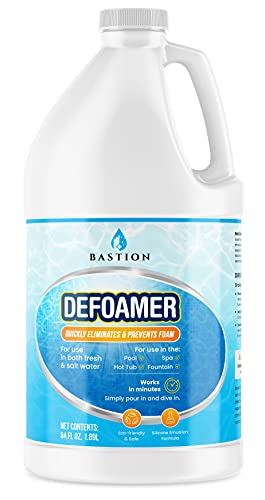
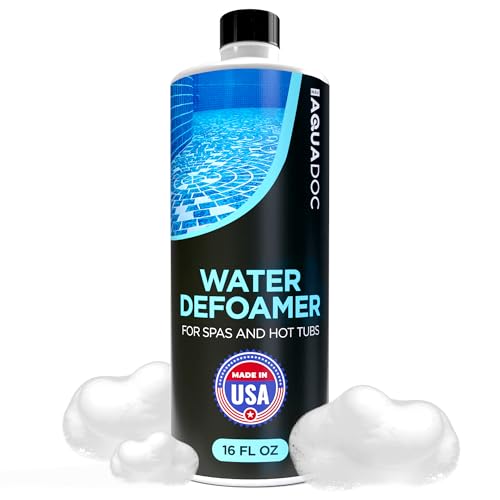
When unexpected suds appear right before you plan to entertain guests, liquid defoamers provide immediate visual relief. Concentrated anti-foam solutions, such as Bastion Hot Tub Defoamer and AquaDoc Hot Tub Defoamer, utilize silicone emulsion formulas to knock down surface bubbles instantly. A single squirt of silicone emulsion spreads across the water surface, destabilizing bubble walls and causing suds to collapse. These formulations do not alter your pH or alkalinity levels.
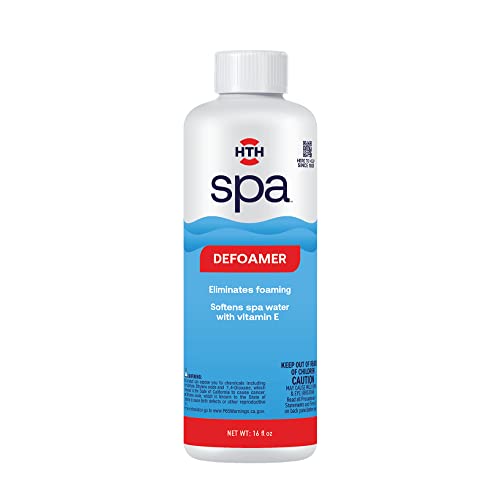
Using these specialty chemicals correctly requires strict adherence to manufacturer dosing guidelines. Adding between one and three ounces of concentrate directly over the foamy water while the jet pumps circulate provides the best distribution. Products like SpaGuard Spa Anti-Foam and HTH Spa Defoamer work across chlorine, bromine, and biguanide sanitizing systems without leaving cloudy water or greasy surface rings. HTH even integrates vitamin E to provide a softer water feel.
Anti-foam chemicals serve as a temporary cosmetic fix rather than a permanent cure. Silicone emulsions break down surface tension to pop existing bubbles, but they do not eliminate the underlying detergents, oils, or dissolved solids causing the foam. Relying excessively on defoamers can eventually lead to oily residues on your water line and clog filter pleats. Use anti-foam products for quick clarity, but address the root causes soon afterward.
Purging Hidden Plumbing Residues Before Draining
If persistent foaming resists chemical balancing and defoamers, performing a complete plumbing purge is the most effective corrective step. Products like Oh Yuk Healthy Hot Tub Cleaner penetrate deep into interior pipe runs to loosen stubborn grime, body oils, and biofilm deposits that normal sanitizers miss. Adding a plumbing flush concentrate directly into the warm water before draining forces built-up sludge out through the hydrotherapy jets. Watching the discolored foam emerge often surprises owners.
To execute a plumbing flush properly, remove your cartridge filters from the filter well so they do not trap dislodged contaminants. Pour the recommended dosage of cleaner into the water and open all diverter valves and air controls completely. Run your primary and secondary jet pumps on high speed for fifteen to thirty minutes to circulate the cleaner aggressively through every manifold. Allow the treated water to sit briefly before running another short circulation cycle.
Clearing out these hidden circulation lines restores hydraulic efficiency, reduces pump strain, and allows fresh sanitizers to work effectively after refilling. Without a thorough line purge, refilling your spa with fresh water will simply dissolve old biofilm remnants back into the clean volume. Regular plumbing flushes every three to four months ensure your spa operates like new and maintains pristine sanitary conditions.
Step-by-Step Drain, Deep Clean, and Refill Procedure
Once your plumbing lines have been purged of organic buildup, completely draining the spa provides a fresh chemical baseline. Always begin by cutting electrical power to the hot tub at the dedicated external GFCI disconnect switch to eliminate any shock hazard. Connect a garden hose to the lower gravity drain valve, or utilize a submersible utility pump placed in the footwell to empty the water quickly. Submersible pumps save significant time and help pull settled sediment out.
With the vessel empty, thoroughly clean the acrylic shell using a soft microfiber cloth and a non-abrasive, spa-approved surface cleaner. Wipe away the grime ring left along the water line by the line purge, paying close attention to jet bezels and headrests. Never use household glass cleaners, bathroom bleach, or dish soaps on acrylic surfaces, as these products introduce harsh surfactants that trigger immediate foaming. Rinse all surfaces thoroughly with clean hose water and dry the footwell.
Refilling the spa requires a specific procedure to prevent air locks in the pump circulation system. Place your garden hose directly down into the empty filter canister well rather than dropping it onto the footwell floor. Filling through the filter well forces water down through the plumbing lines and pump volutes first, pushing trapped air outward through open jets. Once water reaches the proper level, you can reinstall clean filter cartridges and restore electrical power safely.
Balancing Fresh Fill Water to Prevent Future Foaming
Establishing proper water balance immediately after refilling prevents the return of surface suds and protects heating hardware. Allow the spa water to heat to at least eighty degrees Fahrenheit before adding treatment chemicals, as chemical dissolution rates vary widely in cold water. Test your fresh water using a reliable drop test kit or test strips to establish starting parameters for total alkalinity, pH, and calcium hardness. Always follow a strict chemical addition sequence.
Adjust total alkalinity first, targeting the optimal range of 80 to 120 ppm using sodium bicarbonate to raise it or sodium bisulfate to lower it. Once alkalinity is stabilized, balance your pH between 7.2 and 7.8, which represents the ideal zone for bather skin comfort and sanitizer activity. Next, measure calcium hardness and add calcium chloride if the reading sits below 150 ppm, reinforcing surface tension against frothing. Protecting the tub with an insulated foldable hot tub cover while heating preserves energy efficiency and keeps outdoor debris out.
After mineral parameters are established, introduce your primary EPA-registered sanitizer, targeting 3 to 5 ppm for free chlorine or 3 to 6 ppm for total bromine. Apply an initial oxidizing shock treatment using non-chlorine shock or granular chlorine to break down microscopic contaminants present in the municipal fill water. Run the filtration pump on low speed with the cover closed to allow the chemicals to distribute evenly. Check your parameters twenty-four hours later to confirm that levels remain balanced before your first soak.
Daily Habits and Weekly Maintenance for Foam-Free Water
Maintaining clear, foam-free hot tub water over the long haul comes down to establishing consistent bather hygiene and filter maintenance routines. Designate specific swimwear exclusively for hot tub use and rinse these suits in clean water without laundry detergent after each soak. Encourage family members and guests to take a quick rinse before entering the tub to remove deodorants, moisturizers, and cosmetics. Keep long hair tied up to prevent hair conditioners and styling products from washing into the skimmer.
Filter care plays a vital role in preventing surfactant accumulation and keeping water circulating smoothly through the heater. Pull your pleated filter cartridges every week and rinse them thoroughly with a high-pressure hose nozzle to clear trapped organic debris. Every four to six weeks, soak your cartridges in a specialized filter degreasing solution to strip away embedded body oils and cosmetic residues that water rinsing cannot dislodge. Keep a spare set of clean filters on hand so you can rotate them seamlessly.
Finally, utilize floating oil-absorbing sponges or scum balls in your skimmer well to trap surface oils before they emulsify into foam. Shock your water weekly with a non-chlorine oxidizer following heavy use to destroy organic waste before it accumulates into a food source for microbes. By adhering to these simple daily habits and chemical routines, you can enjoy soothing hydrotherapy sessions without the frustration of unwanted suds or cloudy water.





Write Your Review
No reviews yet. Be the first to share your experience!