


Stinging red eyes and harsh chemical odors can ruin a relaxing evening soak after a long workday. Many hot tub owners get fed up with measuring bottled liquids and handling dry shock treatments just to keep their spa water from turning cloudy. Evaluating the debate between a salt hot tub vs chlorine setup is an eye-opening step toward achieving softer, crystal-clear water with far less manual effort. Saltwater systems do not eliminate chlorine entirely; rather, they use an electrolytic titanium cell to generate pure chlorine steadily from dissolved sodium chloride. Based on our analysis of system specifications, titanium cell lifespans, and user feedback, converting to salt water can drastically reduce erratic chemical spikes while protecting your skin.
Traditional chemical dosing requires constant monitoring of pH, total alkalinity, and free chlorine levels to prevent acrylic shell staining and heater corrosion. Installing a drop-in or inline chlorine generator allows portable spa and swim spa owners to maintain a steady sanitation baseline without heavy chemical odors clinging to their swimwear. Pairing an automated generator with a durable hot tub cover with warranty locks in thermal heat, prevents water evaporation, and keeps debris from throwing off delicate water chemistry balance. Taking time to weigh equipment costs against long-term maintenance savings ensures you pick the right sanitation method for your backyard wellness routine.





Frequently Asked Questions
Is a salt water hot tub completely chemical-free?
No, a salt hot tub still uses chlorine to sanitize the spa water. The salt chlorine generator converts dissolved pure sodium chloride into free chlorine via electrolysis across a titanium cell. This process provides continuous, low-level sanitation that feels noticeably silkier on sensitive skin than manual chlorine dosing. You still need to monitor pH levels and rinse your pleated cartridge filter regularly to maintain clean water.
Does a salt generator work on a 110V plug-and-play spa?
Yes, most drop-in salt chlorine generators plug directly into standard 110V GFCI-protected household outlets. You simply suspend the titanium chlorinator cell inside the footwell near the circulation pump intake without cutting into plumbing lines. The independent controller regulates daily production cycles whether your tub runs on a basic 110V cord or a 240V hardwired connection. Protecting the tub with a fitted yard patio hot tub cover helps maintain steady water temperatures while the cell operates.
How often do you drain a hot tub when comparing salt hot tub vs chlorine maintenance?
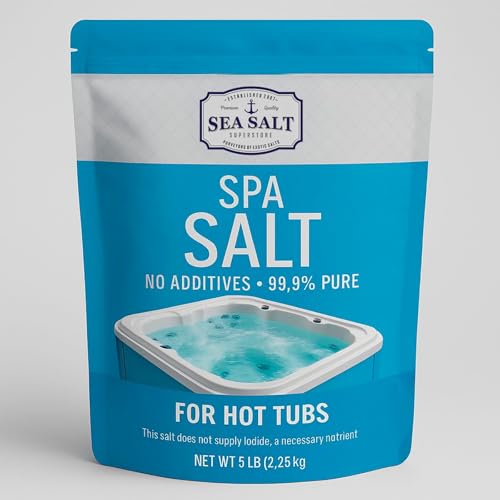
Saltwater hot tubs typically require draining only once every eight to twelve months, whereas standard chlorine spas require draining every three to four months. Because you add fewer stabilizer chemicals and liquid balancers, total dissolved solids accumulate much more slowly in a salt system. When drain day arrives, use a submersible drain pump to empty the water capacity gallons safely away from sensitive garden plants. Refilling your acrylic shell tub with fresh water and high-purity spa salt resets the generator for another long cycle.
Will salt water damage acrylic shells or internal spa heaters?
No, modern hot tubs tolerate salt water well as long as salinity remains within recommended ranges. Salt hot tubs operate at very low salinity, generally between 1,500 and 2,500 parts per million, which is far lower than ocean water. High-grade acrylic shell materials and rotomolded plastic cabinets resist corrosion easily at these modest salt concentrations. However, keeping water chemistry balanced prevents mineral scaling on heater elements and hydrotherapy jets.
What are the upfront and ongoing costs of salt hot tub vs chlorine in 2026?
Salt systems require a higher initial equipment investment, but they substantially lower ongoing chemical costs over time. Outfitting an existing spa with a titanium cell generator and pure salt runs higher upfront than buying a pail of chlorine granules. Over time, you save money on bottled shock, clarifiers, and frequent water refills. Using an affordable foldable hot tub cover also cuts thermal heat loss and shields your sanitizer from direct sunlight degradation.
How long do titanium salt generator cells typically last?
Premium titanium salt cells deliver approximately 2,000 to 3,000 hours of active chlorine generation. Depending on daily run times and bather loads, that translates to roughly two to three years of dependable sanitizing performance. Built-in self-cleaning polarity reversal helps shed scale deposits to maximize cell life. Once the cell depletes, tool-free replacement cartridges allow quick swaps without draining the spa.






Write Your Review
No reviews yet. Be the first to share your experience!