


Fine silt settling across the bottom floor and stubborn algae clinging to tile lines can turn weekend leisure into an exhausting chore. Running a separate booster pump every afternoon often spikes electric bills, while tangled floating hoses create headaches across the swimming lane. Evaluating a pressure pool cleaner vs robotic system reveals massive differences in how pool debris gets captured, filtered, and cleared without straining equipment. Modern robotic vacuums run on self-contained low-voltage power, using top-load filter baskets and active scrubbing brushes that ease the load on your filtration system. That efficiency means less time backwashing sand filters and more time relaxing on the patio, perhaps unwinding in the best 2 3 person hot tub after clearing your deck.
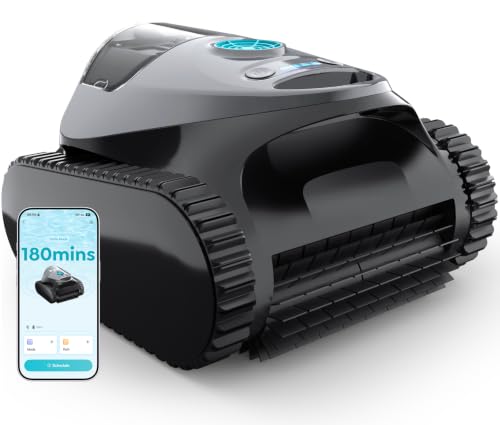
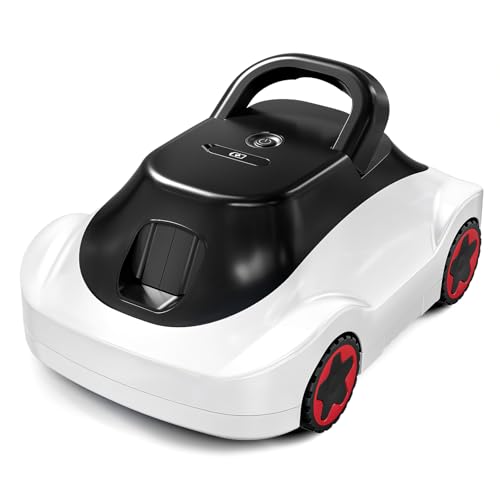
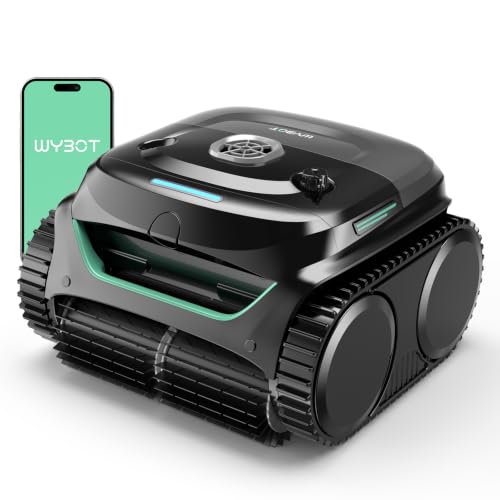
Traditional pressure-side vacuums rely on pressurized water jets to push leaves into an attached bag, which works well for heavy oak leaves but often misses microscopic silt. By contrast, autonomous robotic cleaners navigate pool floors, climb walls, and scrub the waterline with dedicated brushless motors. Based on our detailed comparison of filtration ratings, motor types, and user feedback, robotic units provide superior convenience through programmable cycles and cordless mobility. Selecting the right setup comes down to your surface type, debris load, and desire for hands-free pool maintenance without expensive plumbing alterations.




Frequently Asked Questions
What is the primary operational difference when comparing a pressure pool cleaner vs robotic unit?
Robotic pool cleaners operate independently of your main filter pump, while pressure-side cleaners require dedicated water pressure from a booster pump or return line. Robotic models feature internal electric motors and built-in filtration canisters to trap debris down to microscopic levels. Pressure cleaners rely on water thrust to sweep debris into an external bag, handling large leaves well but placing mechanical strain on pool plumbing.
Do robotic cleaners consume less electricity than pressure-side pool vacuums?
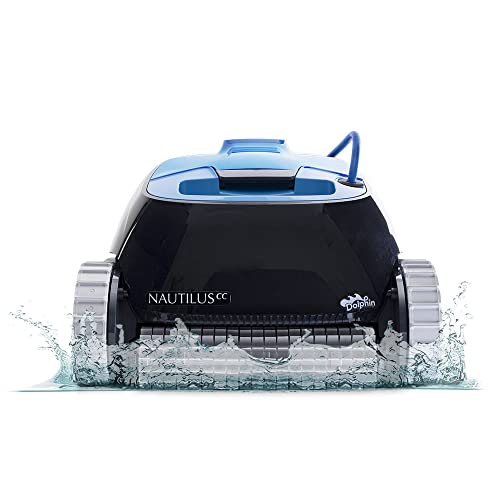
Yes, robotic cleaners consume substantially less electricity because they run on low-voltage direct current rather than heavy booster pumps. A pressure cleaner paired with a secondary pump typically pulls 1,000 to 1,500 watts per hour. Autonomous units like the Dolphin Nautilus CC Automatic Robotic Pool Vacuum consume only around 180 watts, delivering noticeable energy savings throughout 2026.
Can a robotic cleaner trap fine sand and silt better than a pressure vacuum bag?
Yes, robotic vacuums offer superior filtration for fine silt, sand, and algae compared to standard mesh pressure bags. Many robotic units utilize ultra-fine cartridge filters or mesh baskets capable of trapping microscopic particles. Pressure bags often allow fine silt to blow right through the mesh and cloud the pool water.
Are robotic pool cleaners safe to use on delicate vinyl liners and fiberglass shells?
Yes, robotic vacuums are safe for vinyl liners and fiberglass because they use soft PVC roller brushes and rubber traction tracks. These continuous tracks distribute weight evenly and prevent slipping on slick surfaces. Unlike older pressure sweepers with hard plastic wheels, robotic cleaners eliminate the risk of scuffing liner seams.
How do cordless robotic pool vacuums handle deep pools without getting stuck?
Modern cordless robotic vacuums use intelligent navigation to map efficient cleaning paths and climb slopes without stalling on main drains. Units like the Beatbot Sora 10 Cordless Pool Vacuum Robot provide extended battery runtimes and automatic waterline parking when finished. This cord-free design keeps your pool clean so you can relax in the best therapy hot tub without untangling floating cables.



Write Your Review
No reviews yet. Be the first to share your experience!