


Watching dirt, pollen, and leaves settle along the floor slopes can make anyone dread backyard upkeep. Scrubbing gunite or vinyl by hand drains your energy, especially when waterline scum lines keep reappearing. Evaluating the polaris vs dolphin robotic pool cleaner matchup helps you see which automated system takes the headache out of daily swimming pool maintenance. Manufacturer design specs and real-world owner feedback highlight how dedicated scrubbers strip off slick algae before it takes hold. You get more time to enjoy your water without babysitting a tangled hose or wrestling with clogged skimmers.
Robotic cleaners run independently from your main filter pump, which keeps electric bills low and protects pool plumbing from heavy debris choke-ups. Dolphin units frequently rely on continuous tracks and top-loading fine filter baskets to trap fine silt, while Polaris models utilize vortex suction chambers and multi-wheel agility to swallow piles of leaves. If you already balance backyard maintenance across multiple aquatic zones, perhaps even reviewing the best hot tub brands reddit threads discuss for patio hydrotherapy, you know reliable filtration is non-negotiable. Modern navigation technology scans the floor to ensure thorough coverage, giving you sparkling water after a single automated cycle.



Clear Water Insights: Polaris Vs Dolphin Robotic Pool Cleaner Frequently Asked Questions
Do Dolphin or Polaris robotic cleaners handle fine sand and silt better?
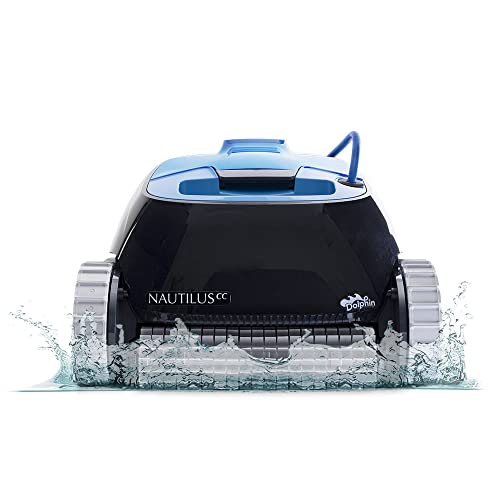
Dolphin models often capture fine sand and silt more efficiently due to their top-load ultra-fine filter basket designs. Units like the Dolphin Nautilus CC Plus use dedicated fine filtration inserts that trap tiny suspended particles without blowing dust back into the pool. Polaris machines rely on high-capacity vortex vacuum canisters that shine against heavy leaves and acorns, but fine silt may sometimes pass through standard mesh filters unless ultra-fine canisters are swapped in.
Which brand offers better wall climbing and waterline scrubbing performance?
Dolphin cleaners typically deliver more aggressive waterline scrubbing thanks to front active scrubbing brushes that spin faster than the unit’s drive tracks. Continuous rubber tracks provide sustained traction on slick fiberglass, vinyl liners, and smooth plaster without slipping backward down the wall slope. While Polaris four-wheel drive models like the 9550 Sport climb walls effectively, track-driven Dolphin robots tend to hold their position along horizontal tile lines with greater stability.
How do Polaris and Dolphin prevent floating cables from tangling?
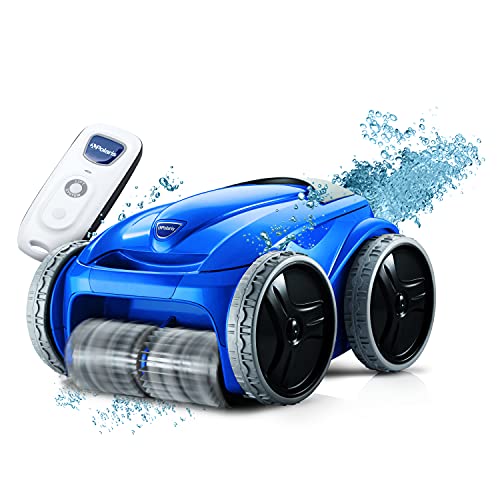
Both manufacturers combat cable knots using mechanical swivels, but their placement and design differ across models. Premium Polaris units like the VRXIQ+ feature tangle-reducing swivel cables combined with smart app directional steering to keep the 70-foot cord clear of coils. Dolphin units integrate patented anti-tangle swivels directly into the power cable, allowing the cleaner to turn freely across freeform pools without bunching up near skimmer openings.
Can you run a Polaris Vs Dolphin Robotic Pool Cleaner model in a saltwater swimming pool in 2026?
Yes, both Dolphin and Polaris robotic pool cleaners operate safely in saltwater environments. The sealed internal drive motors and non-corrosive thermoplastic housings resist moderate salinity levels common in residential chlorine generator pools. You should always rinse your robotic vacuum with fresh hose water and empty the canister after every cleaning run to prevent mineral and salt crystallization.
What is the best way to keep a robotic cleaner from getting stuck on main drains?
Proper cable float positioning and raised bottom clearance prevent robots from hanging up on high-profile main drain covers. Polaris four-wheel drive systems roll over anti-vortex drain grates smoothly because large rubber tires provide ample undercarriage clearance. Dolphin models with central active brushes occasionally require drain ring ramp attachments if your pool features unusually steep or raised commercial main drains.
How should you store a robotic cleaner during off-season winterization?
Storing your robotic cleaner indoors in a dry, frost-free location protects electrical motor seals and prevents cable rubber from cracking during cold months. Once you close your pool for the season, drain all trapped water from the motor chassis and wash the filter panels thoroughly. Homeowners who pivot their backyard routine toward winter recreation can research the best hot tub for winter use to stay comfortable when the pool is covered.




Write Your Review
No reviews yet. Be the first to share your experience!