
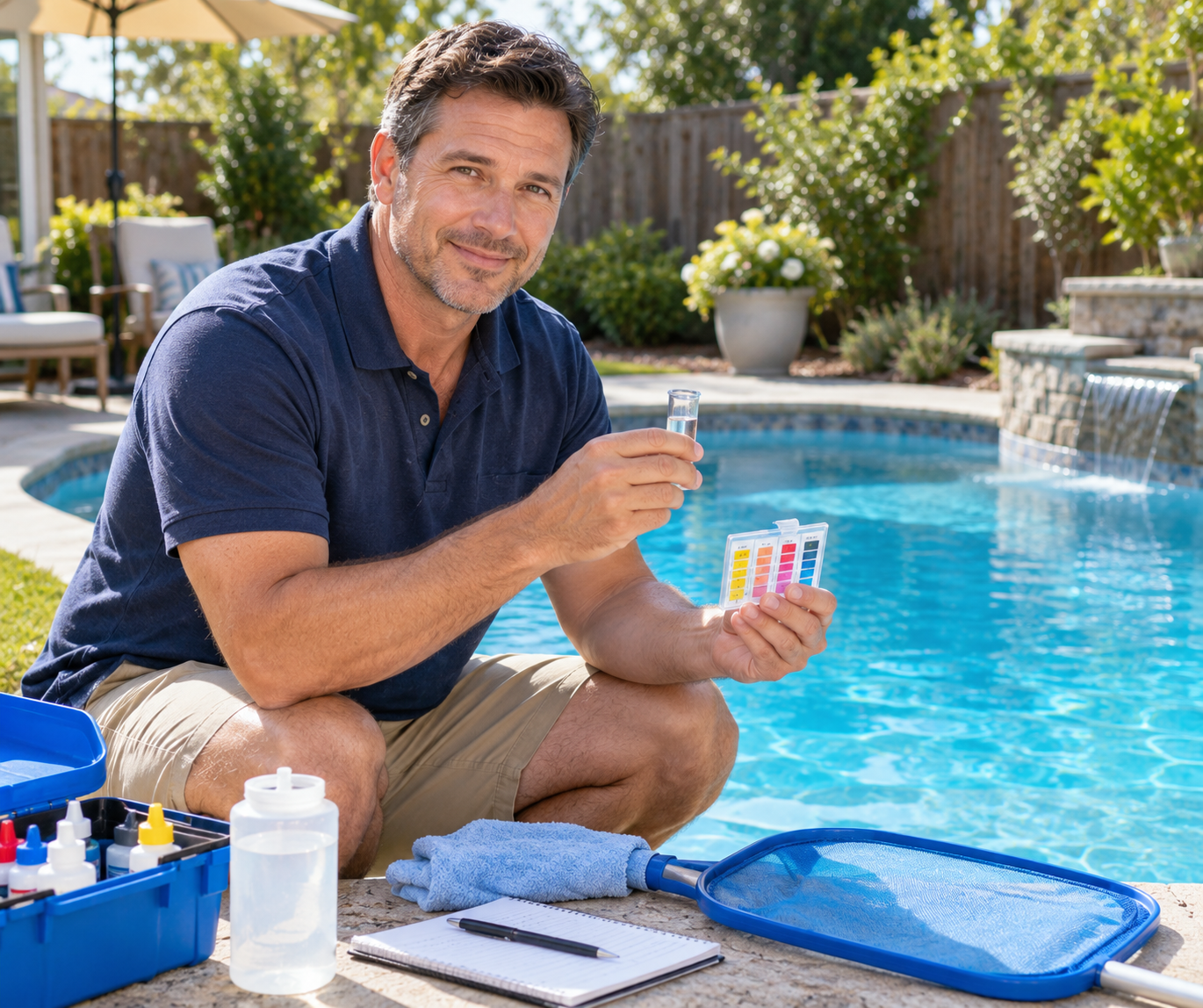

Filling a newly delivered spa or refilling an existing acrylic tub marks the beginning of an essential water management routine. Untreated tap water or well water contains invisible dissolved minerals, fluctuating pH levels, and zero protection against organic pathogens. Learning how to start a hot tub chemicals properly protects internal titanium heater elements and acrylic surfaces while preventing itchy skin or cloudy water during your initial soak. Investing in reliable thermal accessories like durable hot tub covers with warranty protection helps seal in heat and shields balanced water from outdoor debris and rainwater dilution. Establishing the correct baseline chemistry before heating ensures a safe, inviting environment right from day one.
Water balance is not simply about pouring sanitizer into the footwell and hoping for crystal clarity. The process requires a methodical sequence where total alkalinity, pH levels, and calcium hardness are stabilized before establishing an EPA-registered sanitizer residual. Skipping these foundational steps often leads to scale buildup, premature pump seal failure, or rapid sanitizer dissipation that leaves the spa vulnerable to bacteria. Complete starter packages, such as the AquaDoc Bromine Hot Tub Starter Kit or the Bio Ouster Hot Tub Water Balancing Kit, provide the essential additives required to dial in pristine water conditions. Taking time to balance each parameter in its correct order transforms startup care into a straightforward routine.

Pros
- Includes every foundational chemical needed to fill, balance, and sanitize a hot tub from scratch
- Comes with essential hardware including a chemical tablet floater and diagnostic test strips
- Bromine provides stable sanitation at higher spa water temperatures compared to standard chlorine
- Includes problem-solvers like Defoamer and Metal Prevent alongside standard sanitizers
- Made in the USA with clearly labeled bottles for straightforward water maintenance
Cons
- Starter-sized bottles will eventually require individual chemical restocking depending on hot tub gallon capacity and bather load
- Bromine systems require building an initial bromide bank with booster before tablet floaters can maintain proper residual
- Test strips provide general range readings, so users wanting high-precision water testing may need supplemental digital or drop kits
The AquaDoc Bromine Hot Tub Starter Kit is a comprehensive water care bundle designed to take the guesswork out of opening or refilling a residential spa. Instead of piecing together individual balancing agents and sanitizers from multiple brands, this kit provides a coordinated system featuring Bromine Tablets, Bromine Booster, Calcium Increaser, pH Increaser, pH Decreaser, Chlorine-Free Shock, Defoamer, Metal Prevent, a floating tablet dispenser, and test strips. It best suits first-time spa owners, homeowners setting up an outdoor acrylic spa, owners of portable inflatable hot tubs, and vacation-rental managers who need an organized, reliable chemical regimen ready out of the box.
Water sanitation in heated hot tubs presents unique challenges because high temperatures and aeration cause rapid chemical dissipation. Bromine is widely favored for hot tubs because it remains effective across a broader pH spectrum than chlorine and does not produce harsh chloramine odors. This kit equips you with Bromine Booster to establish a bromide bank immediately upon filling, while the slow-dissolving Bromine Tablets inside the included floater provide continuous background sanitization. The Chlorine-Free Shock oxidizes organic bather waste and activates the bromide bank without introducing unwanted chlorine compounds into your water.
Protecting spa hardware and surfaces is just as critical as killing bacteria, and this package includes dedicated balancing and protective agents. The Calcium Increaser helps stabilize water hardness to guard against corrosive water that can pit heater elements and degrade mechanical seals. Metal Prevent targets dissolved minerals from source water to minimize surface staining and equipment deposits, while the Defoamer acts as a fast-acting corrective tool when soaps, lotions, or heavy bather loads create surface suds. Together with the included pH up and down solutions, this kit addresses the full spectrum of water balance rather than just basic sanitation.
Routine spa ownership with this kit starts by filling the hot tub, testing source water using the multi-parameter test strips, and adjusting total alkalinity and pH first. Once water balance is stable, adding the Bromine Booster establishes the sanitizer base before loading the tablet floater to maintain the proper parts-per-million residual. The included chemical dispenser allows users to adjust flow openings based on spa volume and usage frequency. Because the kit includes all required initial products, opening a new tub or executing a routine drain-and-refill is straightforward even for beginners.
Prospective buyers should note that starter kits are designed primarily for initial setup and seasonal restarts. Depending on the gallon capacity of your spa and how frequently it is used, smaller consumable bottles like pH adjusters or shock will need replenishment sooner than slow-dissolving tablets. Additionally, bromine maintenance relies on maintaining an active bromide reserve; failing to dose the booster during a fresh fill will delay the floating dispenser from achieving proper sanitizer readings. Users with heavy bather loads should also expect to test water multiple times per week.
The AquaDoc Bromine Hot Tub Starter Kit represents an excellent, practical investment for anyone looking to eliminate the confusion of spa chemical setup. It provides everything necessary to protect your equipment, clarify cloudy water, and maintain comfortable soaking conditions from day one. Before purchasing, verify your spa water capacity so you can calculate initial dosing amounts accurately according to the container instructions.
The AquaDoc Bromine Hot Tub Starter Kit includes a full suite of specialized spa chemicals designed to cover each stage of water startup and routine maintenance. The package contains Bromine Tablets for steady residual sanitation, Bromine Booster to build an immediate bromide reserve, and Chlorine-Free Shock to eliminate organic contaminants without raising chlorine levels. For water balancing, the kit includes pH Increaser, pH Decreaser, and Calcium Increaser to ensure balanced water that protects heaters, pumps, and shell finishes.
In addition to sanitizers and balancers, this kit provides specialty treatment products and essential accessories. Metal Prevent helps control mineral staining from well or municipal tap water, while Defoamer quickly suppresses excess foam caused by body oils and cosmetics. The included floating chemical dispenser holds the bromine tablets for controlled release, and the packaged test strips allow quick checks of water quality before and after each soak.


Pros
- Consolidates primary startup essentials including chlorine, pH balancer, clarifier, and testing into a single kit
- Fast-dissolving chlorine granules circulate quickly without requiring specialized dispenser hardware
- Helps safeguard internal heating elements and jet surfaces against scaling and corrosive water conditions
- Eliminates the guesswork and extra trips associated with purchasing individual chemical bottles piecemeal
Cons
- Configured specifically around chlorine sanitization and is not suitable for spas running bromine or alternative systems
- High-use items such as chlorine granules and test strips will deplete faster than secondary specialty balancers under heavy bather loads
- Requires careful measurement of your specific spa gallon capacity to calculate precise dosing amounts
The AquaDoc Chlorine Hot Tub Starter Kit is a comprehensive water maintenance bundle designed to take the confusion out of opening, refilling, and balancing residential spas. Tailored specifically for first-time hot tub owners, vacation rental hosts, and households performing a routine seasonal drain-and-refill, this package provides the core products needed to test, sanitize, balance, and clarify hot tub water right out of the box.
Maintaining proper hot tub water requires balancing multiple chemical parameters simultaneously to keep water safe and appealing. This starter kit integrates fast-dissolving granular chlorine to establish quick sanitizing residuals alongside essential pH and alkalinity balancers. With included testing capabilities and clarifiers, users can easily diagnose initial water quality and treat foaming, organic oils, and particulate cloudiness before they cause skin irritation or require premature water dumping.
The included chemical formulations are developed to dissolve rapidly in heated water, reducing the risk of gritty chemical sediment settling on your acrylic shell. Maintaining balanced water chemistry also serves a vital mechanical function. By keeping pH in an optimal range and managing calcium hardness, this kit helps protect expensive spa heaters, pump seals, and plumbing lines from aggressive acidic corrosion or mineral scale buildup.
Getting started requires measuring your hot tub gallon capacity to determine accurate initial dosing. Using the test supplies, you establish baseline readings for pH, alkalinity, and sanitizer levels directly from the fresh fill. Chemical additions should always be introduced one at a time with the jet pumps running and the hot tub cover removed to allow off-gassing and even circulation throughout the plumbing system.
While this bundle serves as a convenient complete startup package, it is formulated specifically around traditional chlorine sanitization and cannot be used with bromine, mineral-only, or biguanide sanitizing programs. Additionally, consumable rates vary based on bather frequency, meaning owners with heavy hot tub usage will need to restock fast-dissolving chlorine granules and test strips sooner than specialty clarifiers or cleaners.
For owners seeking a reliable, step-saving entry point into hot tub maintenance, the AquaDoc Chlorine Starter Kit delivers dependable convenience and balanced water management. It eliminates the frustration of researching and purchasing separate chemicals individually. Before buying, verify that your spa manufacturer permits granular chlorine sanitization and confirm your tub volume for accurate startup dosing.
Achieving clear hot tub water begins with balancing total alkalinity and pH before establishing a sanitizer residual. When source water enters the spa, running the circulation pump while testing gives an accurate starting baseline for necessary chemical adjustments.
Always add chemicals with the hot tub cover folded back and the jets running on low or high speed for at least fifteen minutes. Keeping the cover open during chemical additions allows chemical vapors to dissipate naturally, protecting the underside of your spa cover from chemical bleaching and premature degradation.
Never mix dry chemicals together before adding them to the water. Broadcast each chemical separately across the surface of the spa, allowing adequate circulation time between treatments to prevent unwanted chemical reactions and ensure precise testing results.
The AquaDoc kit arrives in a compact package with listed dimensions of 10 x 10 x 10 inches, making it easy to store in a garage, utility room, or dedicated spa-side storage box. Always keep chemical containers securely closed with their factory lids tightly fastened when not in use.
Store all spa chemicals in a cool, dry, well-ventilated location out of direct sunlight and away from freezing temperatures. Proper storage prevents granular chlorine and powdered balancers from absorbing atmospheric moisture and clumping over time.
Keep the starter kit stored well out of reach of children and pets. Always handle chemicals with dry hands or clean measuring scoops, and never store open chemical containers directly on grass, patio wood, or near electrical equipment.


Pros
- Contains all four foundational water-balancing chemicals plus 50 test strips in one package
- Compatible with acrylic, inflatable, and wooden spas across chlorine, bromine, and salt systems
- Helps prevent cloudy water, foaming, mineral scale, and heater corrosion caused by imbalanced water
- Manufactured in the USA with reliable, fast-dissolving water-care formulas
Cons
- Does not include primary sanitizers such as chlorine or bromine granules, which must be purchased separately
- Source water with extreme hardness or alkalinity may deplete specific individual bottles faster than the rest of the kit
- Requires careful incremental dosing and testing rather than one-size-fits-all application
The Bio Ouster Hot Tub Water Balancing Kit is an all-in-one water adjustment bundle designed for acrylic, inflatable, and wooden hot tubs. Proper water balance is critical for preventing mineral scale, heater corrosion, and bather discomfort, making this starter collection well suited for new spa owners, seasonal refills, and vacation rental hosts who need foundational water-care essentials in a single convenient package.
Maintaining balanced water chemistry requires managing several interconnected parameters, which this kit addresses through dedicated pH Up, pH Down, Alkalinity Increaser, and Calcium Hardness Increaser formulas. By adjusting total alkalinity first to buffer pH fluctuations, and raising calcium levels to protect internal spa plumbing and heating elements, hot tub owners can maintain clear water and protect their equipment investments.
Routine monitoring is supported by the 50 included test strips, which allow quick checks of pH, total alkalinity, and calcium hardness levels before adding any adjustment chemicals. The formulas are designed to work alongside standard sanitizing systems, including chlorine, bromine, ozone, and salt water configurations, without interfering with filtration systems or causing unwanted cloudy precipitation when added properly.
Integrating this kit into a routine hot tub maintenance schedule requires testing freshly filled or top-off water before adding chemicals in gradual increments. Because chemical demand varies depending on municipal tap water characteristics, tub volume, and bather load, spa owners should add adjustments incrementally with the water jets running to ensure thorough circulation and avoid overshooting targets.
A practical limitation to keep in mind is that this bundle is strictly a water-balancing kit and does not contain primary sanitizers such as chlorine or bromine. Additionally, owners with particularly hard or soft source water may find that one specific chemical depletes faster than the others, eventually requiring individual bottle replacements down the road.
Hot tub owners seeking a straightforward, Made-in-USA foundational chemistry package will find practical everyday value in the Bio Ouster water balancing starter kit. Before purchasing, ensure you have your preferred sanitizer on hand and plan to test your tap water before initial dosing to establish an accurate chemical baseline for your spa volume.
Proper water balancing begins with testing total alkalinity, which serves as the chemical buffer that stabilizes pH levels in your spa water. Using the included test strips, hot tub owners should adjust total alkalinity into the recommended range before fine-tuning pH with either pH Up or pH Down to prevent rapid chemical bounce.
Calcium Hardness Increaser is included to ensure water does not become aggressive or corrosive toward spa heating elements, pump seals, and plumbing fixtures. This is particularly relevant for owners in soft-water areas or those filling spas using whole-house water-softener systems where low calcium levels can accelerate metallic component wear.
The formulas are chemically neutral relative to sanitizers, meaning they can be used safely in spas treated with standard chlorine granules, bromine tablets, saltwater chlorination systems, or ozone generators. Always allow chemicals to circulate for at least twenty to thirty minutes before re-testing water or adding secondary treatment products.
Step-by-Step Guide to Starting Hot Tub Chemicals in Fresh Water
Starting your spa water care correctly sets the foundation for effortless sanitization and equipment protection throughout the entire fill cycle. Fresh fill water is dynamic and reactive, meaning that heat and aeration will immediately shift chemical equilibrium. Navigating this initial phase requires understanding the chemical hierarchy so you avoid fighting cloudy water or corrosive conditions. By systematically addressing mineral content, buffering capacity, and sanitizing residuals, you can bring any spa to crystal-clear balance quickly and safely.
Pre-Fill Inspection and Initial Water Source Preparation
Before adding any water to the spa shell, inspect the acrylic surface, jet faces, and filter housing for leftover manufacturing residue or winterizing debris. Inserting a hose filter onto your garden hose during the filling process removes heavy sediment, suspended iron, and copper before they reach the cabinet plumbing. Filling the spa directly through the filter compartment rather than the footwell helps displace air from the plumbing lines and prevents pump air locks. Once water reaches the midpoint of the skimmer opening, remove the hose and verify that all equipment slice valves remain open.
Turning on the electrical breaker should only occur after the water level satisfies the manufacturer minimum fill line. Powering on an empty or under-filled spa risks dry-firing the electric heating element, which can permanently ruin the flow tube assembly within seconds. Allow the circulation pump to run on low speed for at least twenty minutes to burp any remaining microbubbles from the heater barrel. During this priming phase, keeping a heavy duty patio hot tub cover positioned over the shell helps reduce thermal loss and prevents external airborne contaminants from entering the basin.
Testing Baseline Source Water Chemistry
Testing fresh water before adding any chemicals provides a vital benchmark that prevents over-correcting chemical levels. Standard multi-parameter test strips or liquid reagent test kits measure total alkalinity, pH, calcium hardness, and dissolved metals. Municipal tap water often carries moderate alkalinity with chlorinated residuals, while private well water typically exhibits excessive mineral hardness and acidic pH. Documenting your baseline numbers helps determine the exact chemical quantities needed from starter kits such as the Hot Tub Things Chlorine Starter Kit for Hot Tub.
Never attempt to balance water when it is completely ice-cold, as chemical solubility drops dramatically in frigid temperatures. Allow the spa heater to bring the water temperature to at least eighty degrees Fahrenheit before adding balancing powders. Warmer water promotes rapid dissolution of granular compounds and provides accurate chemical readings on standard test strips. Testing cold water often yields sluggish color changes and misleading pH readings that cause owners to add unnecessary doses of balancing agents.
The Chemical Sequencing Hierarchy: What to Add First
Adding chemicals in the wrong sequence is the most frequent cause of persistent water cloudiness and chemical precipitation. The cardinal rule of spa water balance dictates adjusting total alkalinity first, followed by pH, calcium hardness, and finally the primary sanitizer. Total alkalinity acts as a chemical buffer that stabilizes pH, preventing erratic swings when acidic or basic substances enter the water. If you attempt to balance pH before stabilizing total alkalinity, the pH reading will bounce unpredictably and waste valuable chemicals.
Granular chemicals must always be distributed across the water surface with the circulation jets running and air diverter valves turned off. Aeration introduces carbon dioxide bubbles that artificially drive up pH levels, skewing your measurements during the adjustment phase. Allow at least thirty to sixty minutes of continuous circulation between separate chemical additions so each compound dissolves completely. Mixing multiple dry chemicals together in a bucket or adding them simultaneously can trigger adverse chemical reactions and cloud the water.
Balancing Total Alkalinity to Establish a Stable Chemical Buffer
Total alkalinity measures the water ability to neutralize acids and should remain between 80 and 120 parts per million for standard spas. When alkalinity falls below 80 parts per million, the water becomes aggressive, corroding metal heater elements and causing wild fluctuations in pH. Conversely, high alkalinity above 120 parts per million causes stubborn high pH conditions, cloudy water, and scale formation along the waterline. Starter bundles like the Bio Ouster Hot Tub Water Balancing Kit include dedicated alkalinity increasers formulated from sodium bicarbonate to address low readings safely.
Correcting high alkalinity requires gradual additions of dry acid, also known as sodium bisulfate or pH decreaser. Broadcast small increments of decreaser across the deep end while the primary pump circulates water on low speed. Retest the water after two hours of continuous filtration to observe the drop in alkalinity before introducing additional acid. Patience during this step ensures you do not drive the buffer into a severely depleted state that leaves your plumbing vulnerable to acid corrosion.
Stabilizing pH Levels for Bather Comfort and Sanitizer Efficacy
The ideal pH range for hot tub water sits squarely between 7.2 and 7.8, closely mirroring the natural pH of human eyes and skin. Maintaining this delicate window prevents ocular stinging, dry skin, and severe damage to internal mechanical equipment. When pH drifts above 7.8, sanitizing agents like chlorine lose more than fifty percent of their pathogen-killing potency, allowing bacteria to multiply unchecked. A high pH environment also forces dissolved calcium out of solution, leading to gritty scale buildup inside jet internals and on heater elements.
If test strips reveal an acidic pH below 7.2, add a dedicated sodium carbonate pH increaser in small, measured doses. Low pH creates sour, corrosive water that rapidly dissolves copper heat exchanger components and degrades silicone pump seals. Conversely, elevated pH requires gentle doses of sodium bisulfate decreaser to bring the reading back down into the neutral zone. Always run the filtration system for at least twenty minutes after dosing before running a secondary test to verify stabilization.
Adjusting Calcium Hardness to Protect Shells and Mechanical Seals
Calcium hardness represents the concentration of dissolved calcium and magnesium minerals present in the spa water. The optimal calcium hardness level for portable acrylic hot tubs and rotomolded spas ranges between 150 and 250 parts per million. Water with deficient calcium levels below 150 parts per million is considered hungry or corrosive, seeking out minerals by leaching metals from heater housings and softening rubber plumbing gaskets. Maintaining adequate hardness protects internal pump components from early mechanical failure.
Raising calcium levels is straightforward using a calcium hardness increaser containing calcium chloride flakes, such as the formulation found in the AquaDoc Bromine Hot Tub Starter Kit. Dissolve the granules in a small bucket of clean spa water before pouring the mixture around the water perimeter. Lowering excessive calcium hardness from hard tap water is more challenging and typically requires partially draining the tub or adding specialized scale inhibitors. Regular use of stain and scale prevention liquids helps sequester excess calcium, keeping it suspended rather than forming crusty deposits on your acrylic shell.
Selecting Your Primary Sanitizer: Chlorine Versus Bromine Protocols
Choosing between chlorine and bromine is a fundamental decision that dictates your long-term sanitization workflow. Chlorine is a fast-acting, highly potent oxidizer that quickly clears organic contaminants and provides rapid turnaround times between soaking sessions. Products such as HTH Spa 86134R, Clear Chlorinating Sanitizer use sodium dichlor granules that dissolve rapidly without leaving behind gritty sediment in the footwell. Chlorine requires frequent testing and regular redosing because high water temperatures accelerate chlorine degradation.
Bromine offers distinct advantages for hot water environments because it remains exceptionally stable at elevated temperatures above one hundred degrees Fahrenheit. Furthermore, spent bromine compounds known as bromamines retain significant sanitizing capability, unlike spent chloramines which produce strong noxious odors and irritate bathers. Building a bromine bank during startup requires adding granular sodium bromide booster before introducing slow-dissolving bromine tablets into a dedicated floating dispenser. Starter packages like the AquaDoc Bromine Hot Tub Starter Kit contain both the booster and tablets to streamline this initial setup.
Administering the Startup Shock Treatment
Once alkalinity, pH, and calcium hardness are fully balanced, administering an initial shock treatment establishes sanitization safety. Shocking oxidizes residual organic material, breaks down microscopic manufacturing oils, and creates an immediate sanitizer baseline. For chlorine systems, dose the water with concentrated dichlor granules to achieve a startup free chlorine level between 5 and 8 parts per million. For bromine systems, add an oxidizing shock such as potassium peroxymonosulfate to activate the dissolved bromide bank into active hypobromous acid.
Always leave the hot tub cover completely open for at least twenty to thirty minutes after adding a shock treatment. Trapping concentrated chemical off-gassing under a closed lid accelerates the deterioration of vinyl covers and pillow headrests. During standard operation, protecting the tub with an affordable foldable hot tub cover ensures excellent thermal efficiency once the harsh oxidizer fumes have cleared. Keep the jet pumps operating on high speed during this degassing period to ensure thorough circulation throughout every internal manifold.
Managing Dissolved Metals and Preventing Shell Staining
Source water drawn from municipal supplies or private rural wells often carries dissolved trace metals including iron, copper, and manganese. When you add high concentrations of chlorine or oxidizing shock, these clear dissolved metals oxidize rapidly, turning the water green, brown, or rust colored within hours. Oxidized metals also precipitate onto acrylic walls, creating stubborn dark rings along the waterline that resist standard scrubbing. Incorporating a dedicated metal control agent or stain inhibitor during the startup fill prevents these unsightly aesthetic issues.
Metal sequestrants chemically bind with dissolved mineral ions, keeping them in liquid suspension so they cannot oxidize or cling to spa surfaces. Bundles like the AquaDoc Chlorine Hot Tub Starter Kit include metal prevention liquids specifically formulated for fresh fill water. Add the recommended dose of metal control product while the tub is filling, ideally before adding any sanitizing shocks or balancing agents. Allow the circulation pump to filter the water continuously for twenty-four hours to ensure complete sequestering of all metal particulates.
Clearing Pump Air Locks and Optimizing Initial Circulation
A common mechanical challenge encountered during a fresh fill is a pump air lock, which prevents water from circulating past the heater flow sensor. When air becomes trapped inside the pump wet end, the impeller spins without moving water, triggering low-flow diagnostic codes on your topside control panel. You can easily identify an air lock if you hear the pump motor humming but observe zero water movement exiting the hydrotherapy jets. Never allow a pump to run dry for extended periods, as friction will quickly overheat and distort the internal ceramic shaft seal.
Resolving an air lock requires bleeding the trapped pocket of air from the plumbing union. Turn off the main electrical breaker at the dedicated subpanel before opening the equipment access door. Loosen the pump intake or discharge union nut by hand just enough to allow trapped air to hiss outward until a steady stream of water trickles out. Retighten the union firmly by hand, restore electrical power, and observe steady circulation through the jet nozzles as the heater initiates its warm-up cycle.
Troubleshooting Early Water Issues: Foam, Cloudiness, and Odors
Even when following precise dosing protocols, new hot tub owners may encounter cloudy water, surface foam, or chemical smells within the first few days. Cloudy water typically points to inadequate filtration run times, unsettled calcium precipitation, or unoxidized organic residue from the factory testing process. Verify that your filtration cycles are programmed to run for at least four to six hours twice daily to scrub fine particulate matter. Clarifiers like those included in the Hot Tub Things Chlorine Starter Kit for Hot Tub coagulate microscopic particles into larger clusters that the pleated filter cartridge can trap.
Persistent surface foaming usually stems from residual detergents on bathers swimwear, cosmetic body lotions, or low calcium hardness. Adding a concentrated silicone defoamer provides immediate cosmetic relief by collapsing surface bubbles upon contact. However, defoamers are temporary fixes that do not eliminate the underlying organic oils causing the foam. Rinsing your filter cartridge weekly with warm water and shocking the tub after heavy bather loads permanently resolves recurring foam issues.
Establishing a Sustainable Weekly Water Care Schedule
Transitioning from startup care to a predictable weekly maintenance routine ensures effortless water clarity and prolongs spa component life. Test the water twice a week using reliable test strips to verify that free chlorine stays between 3 and 5 parts per million, or bromine remains between 3 and 5 parts per million. Minor weekly adjustments of pH and alkalinity prevent severe chemical drifts that require major corrective overdosing. Adding a small dose of non-chlorine oxidizing shock once a week destroys bather waste and keeps water sparkling without raising sanitizer levels excessively.
Clean your pleated filter cartridge every two to four weeks by rinsing away trapped debris with a high-pressure garden hose nozzle. Deep clean the cartridge every three months using a specialized degreasing filter cleaner to strip away body oils and mineral scale. Finally, plan to drain and refill your portable spa every three to four months to prevent excessive accumulation of total dissolved solids. Mastering these startup protocols transforms hot tub care into a simple, confidence-inspiring routine that guarantees clean, therapeutic soaking whenever you step into the water.






Write Your Review
No reviews yet. Be the first to share your experience!