


Operating a Polaris pool cleaner correctly depends on matching the unit to your plumbing and following the specific startup sequence for its type. Pressure-side models require a booster pump or dedicated return line, while suction-side units connect to a skimmer or dedicated suction port. Getting these connections right ensures the cleaner receives adequate flow to navigate and scrub effectively.

Many owners struggle with initial setup, particularly regarding hose routing and pressure adjustment. Understanding the difference between a Polaris 280, which needs a booster pump, and a Polaris 360, which uses return line pressure, is critical. This article breaks down the operational steps, safety checks, and maintenance routines needed to keep your automatic pool cleaner running efficiently throughout the season.

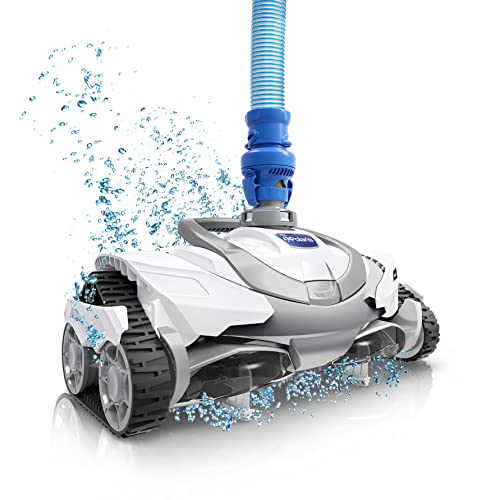


Operating a Polaris cleaner involves more than just dropping it in the water; it requires verifying the plumbing configuration and ensuring the pump system can deliver the required flow rate. The process differs significantly between pressure-side and suction-side models, so identifying your specific unit is the first logical step. Most issues arise from incorrect hose connections or insufficient water pressure, which prevents the cleaner from moving or climbing walls.
| Model Type | Power Source | Connection Point | Key Component |
|---|---|---|---|
| Pressure-Side (e.g., 280, 380) | Booster Pump | Dedicated Booster Pump Outlet | Feed Hose |
| Pressure-Side (e.g., 360) | Return Line | Dedicated Return Line | Feed Hose |
| Suction-Side (e.g., MAXX) | Main Pump Suction | Skimmer or Suction Port | Swivel Cable/Hose |
Before starting the cleaner, ensure the pool pump is running and the water level is adequate. For pressure-side cleaners, the booster pump must be primed and operating at the correct speed. For suction-side models, the main pool pump must be running to create the vacuum that propels the unit. Check that all hoses are free of kinks and that the filter bags or cartridges are clean, as restricted flow is a common cause of poor performance.
Here are the essential pre-operation checks to perform before launching your cleaner:
- Verify the pool water level is at the midpoint of the skimmer openings.
- Ensure the main pool pump is running and free of air locks.
- Inspect the feed hose for cracks, leaks, or significant kinks.
- Confirm the booster pump is primed if using a pressure-side model.
- Check that the filter bag or cartridge is not clogged with debris.
Setting Up Pressure-Side Cleaners (Models 280, 380, and 480)
Pressure-side cleaners like the Polaris 280 and 380 rely on a separate booster pump to generate the water pressure needed for propulsion. The booster pump pushes water through a feed hose to the cleaner, where it exits through nozzles that create the thrust. This setup requires a dedicated plumbing line to avoid interference with the main filtration system. If your pool does not have a booster pump, you cannot operate these specific models correctly.
To operate a 280 or 380 model, connect the feed hose to the outlet of the booster pump and the other end to the inlet of the cleaner. The hose must be straight and free of sharp bends. Once connected, turn on the booster pump and allow it to prime for a few seconds.
The cleaner should begin moving as water flows through the system. If the cleaner spins in place or moves slowly, check the restrictor disks in the wall fitting assembly, which may need adjustment to match your pump’s flow rate.
Adjusting the pressure is a critical part of operating these models. The wall fitting assembly often includes blue and white restrictor disks of different sizes. Using the correct disk size ensures the water pressure is sufficient to lift the cleaner and drive it forward without causing excessive wear on the pump. If the cleaner struggles to climb walls, you may need a smaller restrictor disk to increase pressure. Conversely, if the pump strains or the cleaner moves too fast, a larger disk may be required.
Setting Up the Polaris 360 Return Line System
The Polaris 360 is a unique pressure-side cleaner that does not require a booster pump. Instead, it uses the water pressure from the pool’s return line to propel itself. This makes it a popular choice for pools that lack dedicated booster pump plumbing. To operate the 360, you need a dedicated return line or a retrofit kit that converts a standard return line into a dedicated one. The cleaner attaches to the end of the feed hose, which connects to the return line.
When setting up the 360, ensure the return line is dedicated to the cleaner and not shared with other return jets. Sharing a line can dilute the pressure needed for propulsion. Connect the feed hose to the return line and the cleaner to the other end. Turn on the main pool pump, and the water flow from the return line will push the cleaner through the hose and out of the nozzles. The 360 is designed to handle larger debris, so its inlet is wider than that of the 280 or 380 models.
If the 360 is not moving, verify that the return line is clear and that the main pump is running at full speed. Some pools with variable-speed pumps may need to be set to a higher RPM to generate enough pressure. The 360 is safe for all pool surfaces, including vinyl, fiberglass, and tile, making it a versatile option for various pool types. Check the manufacturer’s guidelines for specific RPM requirements based on your pool’s plumbing configuration.
Operating Suction-Side Cleaners (MAXX and Other Suction Models)
Suction-side cleaners, such as the Polaris MAXX, work differently from pressure-side models. They connect to the suction side of the pool pump, typically via a skimmer or a dedicated suction port. The main pool pump creates a vacuum that pulls water and debris into the cleaner. This setup does not require a booster pump, but it does require sufficient flow from the main pump to drive the cleaner effectively.
To operate a suction-side cleaner, connect the swivel cable or hose to the skimmer’s vacuum port or a dedicated suction line. Ensure the connection is tight to prevent air leaks, which can reduce suction power. Turn on the main pool pump, and the cleaner should begin moving as the vacuum propels it. The MAXX features active scrubbing brushes and HALO technology, which help it navigate and clean effectively. Monitor the cleaner’s movement to ensure it is not getting stuck on steps or ladders.
Suction-side cleaners are generally easier to set up than pressure-side models because they use the existing pump infrastructure. However, they may be less effective at climbing walls compared to pressure-side or robotic models. The MAXX is designed to handle all in-ground pool surfaces and features a regulator valve that controls excess water flow to reduce wear. If the cleaner is not moving well, check the skimmer basket and pump strainer basket for debris, as a clogged basket can reduce flow.
Managing Hoses, Swivels, and Cable Tangles
One of the most common operational issues with Polaris cleaners is hose kinking or cable tangling. For pressure-side cleaners, the feed hose must remain straight and free of sharp bends. Kinks in the hose restrict water flow, reducing the cleaner’s speed and ability to climb walls. Route the hose carefully around the pool perimeter, avoiding tight corners and obstacles. If the hose is too short, consider extending it with a compatible coupling, but ensure the connection is secure.
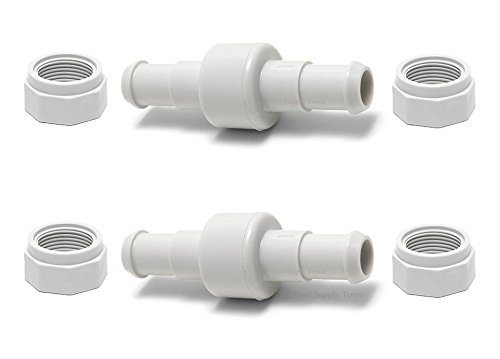
For suction-side and robotic cleaners, the swivel cable or hose must rotate freely to prevent tangling. The swivel mechanism allows the cleaner to move without twisting the cable. If the cable tangles, turn off the pump and manually untangle it. Regularly inspect the swivel mechanism for wear and replace it if it becomes stiff or damaged. Using a hose swivel and nut combo kit can help maintain a smooth connection and reduce the risk of tangling.
Here are key points for maintaining hose and cable integrity during operation:
- Route pressure-side hoses in a wide arc to prevent kinking.
- Inspect swivel mechanisms for stiffness or wear before each use.
- Untangle cables immediately to prevent permanent kinks.
- Use compatible couplings if hose extension is necessary.
- Check hose connections for leaks before starting the pump.
Safety Protocols and Electrical Considerations
Operating pool cleaners involves electrical and plumbing components, so safety must be a priority. Always ensure that all electrical connections are dry and secure. For robotic cleaners, use a GFCI-protected outlet and ensure the power cord is routed away from the water’s edge. Never touch the cleaner or its power supply while it is in the water. If the cleaner stops moving or behaves erratically, turn off the power source before attempting to retrieve it.
For pressure-side and suction-side cleaners, ensure that the booster pump and main pump are properly grounded. Follow the manufacturer’s safety guidelines for operating pumps near water. Do not modify the plumbing or electrical systems in ways that are not recommended by the manufacturer. If you are unsure about the setup, consult a licensed pool professional to verify the configuration. Regular maintenance of the pump and cleaner components helps prevent electrical hazards and ensures safe operation.
When performing chemical shock treatments, it is best to remove the cleaner from the pool. High chlorine levels can degrade the cleaner’s plastics, seals, and filters. Store the cleaner in a dry, cool place during shock treatments. If the cleaner must remain in the pool, ensure the water is well-circulated and the chemical concentration is within safe limits. Always follow the manufacturer’s recommendations for chemical compatibility.
Maintenance and Troubleshooting Common Issues
Regular maintenance is essential for keeping a Polaris cleaner operating efficiently. After each use, rinse the cleaner with fresh water to remove pool chemicals and debris. Empty and clean the filter bag or cartridge to prevent clogging. Inspect the scrub brushes and tracks for wear, and replace them as needed. For pressure-side cleaners, check the restrictor disks and adjust them if the cleaner’s performance changes.
If the cleaner is not moving, check the water flow first. Ensure the pump is running and the hoses are not kinked. If the cleaner moves but does not climb walls, the pressure may be too low. Adjust the restrictor disks or check the pump speed. If the cleaner gets stuck on steps or ladders, consider using a model with better climbing ability or adjust the pool’s water level to improve flow. Regularly inspect the wheel bearings and drive mechanisms for wear.
For robotic cleaners, check the battery charge and ensure the charging dock is clean and dry. If the cleaner does not return to the dock, check the navigation sensors and ensure they are clean. Regularly update the firmware if available to ensure the cleaner operates at peak performance. Keeping a maintenance log can help track wear items and schedule replacements proactively.
Operating a Polaris pool cleaner effectively requires understanding the specific requirements of your model and maintaining the plumbing and electrical systems properly. By following the setup and safety guidelines outlined here, you can ensure your cleaner performs reliably and extends its lifespan. If you encounter persistent issues, consult the manufacturer’s manual or a pool professional for further assistance.




Write Your Review
No reviews yet. Be the first to share your experience!