


Maintaining clean, inviting spa water requires more than simply adding sanitizer after an evening soak. Microscopic debris, body oils, cosmetic residue, and environmental dust quickly circulate through your plumbing lines, placing heavy demands on your spa equipment. Learning how to filter hot tub correctly ensures your water remains crystal clear while protecting expensive internal components from mechanical strain. Effective filtration actively traps suspended solids before they can harbor bacteria, cloud the water, or cause heater dry-fire conditions. Combining regular circulation cycles with a tightly fitted protective patio hot tub cover keeps organic debris out of the filter housing and reduces daily sanitizing chemical consumption.
Every spa system depends on a balance between mechanical circulation, cartridge surface area, and clean plumbing lines to maintain proper hydrotherapy pressure. Neglecting cartridge maintenance or running inadequate daily circulation cycles can cause recurring water flow errors, cloudy surface conditions, and pump motor overheating. Modern hot tub filtration routines combine pre-filtering fresh fill water, managing programmable circulation timers, and applying targeted cartridge degreasers. Establishing a reliable maintenance schedule allows you to spend less time scrubbing acrylic surfaces and more time enjoying warm, therapeutic hydrotherapy.


Pros
- Effectively dislodges stubborn pipe residue and organic buildup prior to draining
- Improves jet performance and circulation efficiency throughout the entire plumbing system
- Helps eliminate recurring foam and chemical demand caused by dirty internal lines
- Compatible with both indoor and outdoor hot tubs as well as larger swim spas
Cons
- Requires a full water drain and shell wipe-down after the cleaning cycle is completed
- Not an in-use water treatment, so the hot tub cannot be used while the cleaner is circulating
- Very large swim spas or heavily neglected plumbing may require more than one 16-ounce bottle depending on dosing instructions
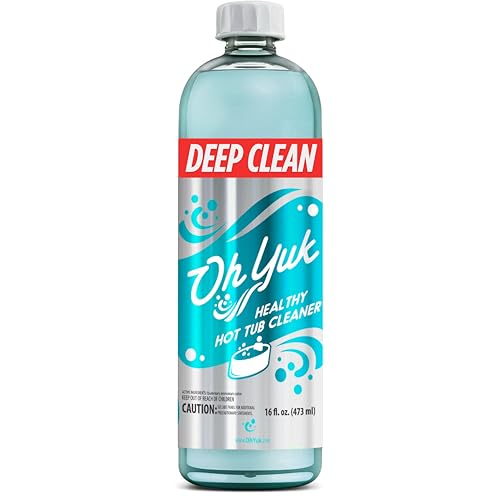
Oh Yuk Healthy Hot Tub Cleaner is a concentrated 16-fluid-ounce plumbing flush formulated to purge interior pipe walls, jet lines, and circulation fittings in indoor and outdoor hot tubs, portable spas, and swim spas. It is engineered specifically for homeowners, vacation rental operators, and regular spa owners preparing for a scheduled drain-and-refill cycle who want to eliminate the hidden organic waste that normal filtration and sanitizing tablets leave behind.
Hidden pipe buildup and accumulated body oils inside circulation lines are frequent culprits behind recurring cloudy water, surface foaming, and weakened jet pressure. By penetrating the interior plumbing pathways, this cleaner lifts and suspends embedded contaminants so they circulate out into the main footwell. This deep purge enables fresh water treatments to work much more effectively after refilling, since sanitizers no longer have to expend oxidation power fighting hidden line residue.
Circulation line maintenance directly benefits mechanical equipment by helping water move freely through pumps, heaters, and filter manifolds. When plumbing lines remain free of restrictive film and buildup, circulation pumps operate with less backpressure, allowing filter cartridges to trap suspended solids cleanly and consistently without unnecessary mechanical strain.
Using a plumbing cleaner requires timing your application around a complete water change, as the dislodged residue must be drained from the spa shell after running the jets. Hot tub owners should expect to wipe down the acrylic surface and water line once the tub empties, removing any residual oils before rinsing and refilling with fresh tap water.
While the 16-ounce bottle provides convenient handling for standard backyard spas, owners of oversized swim spas or tubs with years of neglected plumbing should check manufacturer dosage directions to ensure adequate volume. Furthermore, this product is designed purely as an evacuation flush before draining, meaning bathers must wait until the tub is emptied, rinsed, and refilled with fresh, balanced water before soaking.
For spa owners battling persistent water cloudiness or those establishing a dependable seasonal maintenance schedule, Oh Yuk Healthy Hot Tub Cleaner delivers a practical way to reset circulation lines. Verifying your spa water capacity and having clean towels or sponges ready to wipe the shell after draining ensures a smooth cleaning process and pristine water for your next soak.
Using Oh Yuk Healthy Hot Tub Cleaner is most effective when coordinated with your regular quarterly drain-and-refill schedule. Remove your filter cartridges prior to running the cleaner through the system to avoid trapping heavy dislodged gunk inside your primary filter pleats.
Turn on all jet pumps and allow the cleaner to circulate thoroughly through all plumbing lines according to the manufacturer label directions. Once the cleaning cycle finishes, drain the spa completely and wipe down the acrylic shell to remove any lifted oils and residue before refilling with fresh water.
The Complete Guide to Hot Tub Filtration and Water Maintenance
Effective hot tub filtration combines continuous mechanical particle removal with disciplined chemical care to keep water clear and safe for bathers. While sanitizing chemicals neutralize bacteria and organic pathogens, physical filters must physically trap the dead matter, body oils, and environmental sediment suspended in the water. Understanding how these mechanical and chemical systems work together prevents common ownership frustrations such as foaming, murky water, and sudden low-flow heater shutoffs. Following a structured filtration regimen protects your pump wet ends, extends heater element lifespans, and delivers pristine water with minimal effort.
The Mechanical Principles of Spa Water Circulation
Water enters the filtration system through the skimmer basket or weir gate, where surface tension pulls floating debris into the primary housing. The circulation pump then pulls this water through the micro-pleats of one or more cartridge filters before pushing it through the electric heater assembly and back into the tub via hydrotherapy jets. In systems with dedicated circulation pumps, water moves at a continuous, low flow rate that provides near-constant filtering without the energy consumption of high-speed massage pumps. Dual-speed pump configurations, on the other hand, rely on programmable low-speed filtration cycles that activate automatically several times each day.
Pleated polyester cartridges serve as the primary barrier against suspended particles, typically filtering out contaminants down to fine micron levels. As dirt, dead algae, and bather waste accumulate across the pleat surfaces, water resistance inside the filter housing gradually increases. This elevated hydraulic resistance causes pump head pressure to rise while simultaneously decreasing the flow rate across the heating element. When flow drops below manufacturer thresholds, safety switches activate to shut down the heater and prevent catastrophic thermal damage.
Pre-Filtering Fresh Water During Drain and Refill Cycles
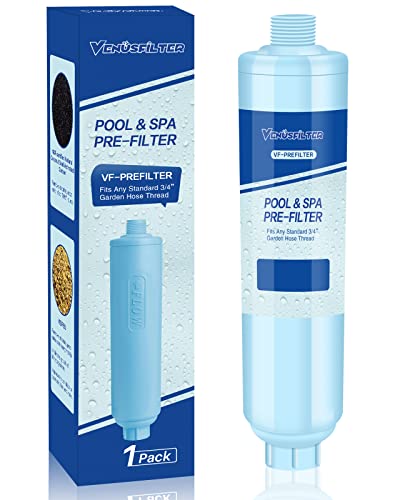
Filtration begins before you even turn on the hot tub control panel or activate the circuit breaker. Filling a spa with untreated municipal or well tap water often introduces iron, copper, suspended sediment, and high levels of chlorine directly into the shell. Connecting a dedicated pre-filter, such as the Garden Hose Filter for Filling Hot Tub, Pool, Spa, directly to your garden hose threads removes heavy metals and silt before water enters the spa. Using a multi-stage pre-filter that incorporates activated coconut shell carbon and Kinetic Degradation Fluxion media minimizes the initial chemical demand on your fresh water fill.
Skipping this preliminary filtration step can lead to persistent mineral staining on acrylic surfaces and immediate discoloration when you add your opening dose of sanitizer. Well water with high iron or calcium content can quickly clog new filter cartridges, causing early flow restriction and cloudy conditions within hours of filling. Running hose water through a carbon pre-filter allows you to begin your balancing routine with clean, neutral water that requires fewer shock treatments. Pre-filtering also spares your internal spa cartridge from absorbing heavy mineral loads during the critical initial heating cycle.
Setting Daily Filtration Cycles on Topside Control Panels
Digital control packs allow owners to customize the duration and frequency of automated filtration cycles to match current bather loads. Most standard portable spas feature preset cycles, commonly labeled as F2, F4, or F6, indicating the number of hours the low-speed pump runs during a twelve-hour operational window. For a spa experiencing moderate weekly use, running the filtration system for two to four hours twice daily typically provides adequate water turnover. In heavily used spas or rental properties with high guest turnover, increasing filtration runtimes ensures rapid removal of sunscreen, sweat, and exfoliated skin cells.
Adjusting your filtration cycles also plays a direct role in maintaining consistent water temperatures throughout colder winter months. In regions where sub-zero temperatures threaten exposed plumbing manifolds, extended filtration cycles prevent water from stagnating and freezing inside uninsulated cabinet corners. Spas equipped with dedicated low-wattage circulation pumps often circulate continuously, filtering the entire water volume multiple times per day with minimal electrical draw. Choosing between continuous and scheduled circulation depends on your control pack design, but maintaining adequate water turnover remains essential for preventing water quality degradation.
Cleaning and Degreasing Pleated Filter Cartridges
Rinsing your filter cartridge with a high-pressure garden hose nozzle once every week or two removes loose surface dirt, hair, and leaf fragments. However, tap water alone cannot dissolve the oily films created by lotions, deodorant, and natural bather sebum that coat the polyester fabric. When synthetic oils coat the pleats, they create a hydrophobic barrier that restricts water flow even when the cartridge appears visually clean. Applying a specialized cleaning spray, such as Black Diamond Stoneworks Ultimate Spa Filter, quickly penetrates and breaks down stubborn organic grease without requiring overnight soaking baths.
Fast-acting spray cleaners work in approximately five minutes, allowing owners to thoroughly wash away dissolved residues using a standard hose attachment before reinstalling the cartridge. It is crucial to use residue-free cleaners specifically formulated for pool and spa filters rather than household soaps or dish detergents. Household detergents leave behind surfactant residues that generate persistent foam once the high-speed hydrotherapy jets are switched on. Rinsing thoroughly until the run-off water is completely clear protects your water balance and prevents immediate chemical foaming inside the tub.
Purging Biofilm from Internal Plumbing Lines
Even the highest quality pleated filters cannot trap contaminants trapped inside inaccessible flexible PVC plumbing lines. Over several months of regular soaking, bacteria and organic residues form a protective biofilm slime layer along the inside walls of jet manifolds and circulation pipes. This hidden buildup continually consumes sanitizer, releases organic debris into the water column, and overburdens your filter cartridges. Adding a specialized plumbing purge treatment, such as Oh Yuk Healthy Hot Tub Cleaner, directly to old spa water before draining clears this hidden residue from internal jets.
Running your jet pumps at high speed with the purge cleaner circulating allows the chemical formula to strip accumulated body oils and biofilm from the pipe walls. The dislodged gunk washes directly into the main body of water, where it can be completely drained and rinsed away without permanently staining the acrylic shell. Performing a plumbing line purge every three to four months restores open water flow, eases strain on the circulation pump, and allows replacement filters to operate at peak efficiency. Clean internal plumbing lines prevent the rapid filter clogging that often occurs immediately after refilling a freshly cleaned tub.
Selecting Replacement Cartridges for Inflatable and Hard-Shell Spas
Filter cartridges degrade physically over time as chemical sanitizers, water pressure, and routine brush cleanings weaken the internal polyester fibers. Most hard-shell acrylic spa manufacturers recommend replacing primary pleated cartridges every twelve to twenty-four months, depending on soaking frequency and water hardness. Compact portable spas and inflatable tubs, such as Coleman SaluSpa or Lay-Z-Spa models, utilize smaller cartridge formats that require much more frequent replacement. Multi-pack options like the LOIOLFIL Type VI Spa Filter Replaces for saluspa hot tub filters provide cost-effective replacements designed specifically for compact pump housings.
These smaller Type VI filters utilize a trilobal fabric weave that captures fine sediment, pet hair, and airborne dust in tight filtration chambers. Because smaller filters feature significantly less surface area than large commercial cartridges, rinsing them every two weeks and replacing them regularly prevents pump flow blockages. Pairing clean filtration components with a fitted, heavy-duty hot tub cover creates an airtight barrier that keeps outside contaminants from exhausting the small filter surface. Checking core dimensions, outer diameter, and end cap openings ensures your replacement cartridge seats securely over the intake suction fitting without bypassing dirty water.
Troubleshooting Flow Errors and Pump Circulation Problems
When hot tub digital displays flash flow error codes such as FLO, FL, or low flow alerts, a restricted filter is almost always the initial culprit. A clogged cartridge starves the pump of water, which prevents the mechanical pressure switch or flow sensor from closing its electrical contacts. To safely diagnose this issue, power off your dedicated circuit breaker, remove the cartridge from the filter canister, and restore electrical power briefly without the filter installed. If the error code clears and the heater engages normally, the cartridge has accumulated excessive grease or mineral scale and requires immediate chemical cleaning or replacement.
Another common post-refill filtration failure is an air lock inside the circulation pump wet end. When filling the spa from an empty state, air can become trapped in the plumbing manifold, preventing the impeller from moving water through the filter well. To prevent pump air locks, always insert your fill hose directly into the empty filter pipe so water pushes air out through the bottom suction fittings and footwell jets. If an air lock occurs, loosening the pump union fitting slightly allows the trapped air pocket to escape until a steady stream of water appears.
Seasonal Filtration Adjustments and Long-Term Protection
Changing weather conditions require intentional adjustments to your daily filtration routine and water care habits. During high-use summer months, warm ambient temperatures and frequent bather loads increase the introduction of sweat, sunscreen, and outdoor debris into the spa. Increasing your programmable filter cycle duration during these warm seasons keeps organic compounds from decomposing into foul odors or cloudy surface scums. In contrast, winter conditions demand vigilance against pipe freezing, meaning your automated low-speed filtration cycles must never be powered down during cold snaps.
Inspect your filter housing seals, bleed valves, and bypass check valves during every scheduled quarterly water change. O-rings around the filter lid should remain clean and lubricated with silicone lubricant to prevent vacuum leaks that introduce micro-bubbles into the jet lines. Keeping a spare, fully cleaned cartridge on hand allows you to swap filters instantly on maintenance day while the dirty unit soaks in degreaser. Rotating two filter cartridges alternately extends the operational lifespan of both filters and guarantees uninterrupted water clarity throughout every season.
Maintaining pristine water in your spa relies on understanding the relationship between mechanical filtration, water movement, and regular cartridge degreasing. By pre-filtering fresh tap water, programming adequate daily circulation cycles, and flushing plumbing manifolds with targeted cleaners, you eliminate the conditions that cause cloudy water and equipment shutdowns. Consistent filter maintenance preserves hydrotherapy jet pressure, protects sensitive heating elements, and ensures your hot tub remains a clean, relaxing backyard retreat ready for every soak.





Write Your Review
No reviews yet. Be the first to share your experience!