

Outdoor spa insulation depends directly on the physical integrity of the vinyl skin protecting the dense foam core from rain, tree sap, and scorching sun. Knowing how to clean a vinyl hot tub cover prevents premature seam splitting, foul odors, and severe moisture saturation that ruins thermal performance. Without routine upkeep, airborne grime combines with bather body oils and evaporated sanitizers to turn flexible exterior vinyl brittle and chalky. Maintaining a clean exterior helps your outdoor patio spa cover seal tightly against the acrylic rim and trap valuable heat where it belongs.
Proper surface washing requires balanced conditioning rather than aggressive household bleach or abrasive kitchen scrubbing pads. Standard chlorine vapor from spa water can dry out vinyl plasticizers over time, making surface conditioning essential for long-term weather resistance. Using specialized cleaners like AquaDoc Hot Tub Cover Protector or dedicated spray treatments lifts outdoor residue while restoring a smooth, water-repellent finish. Establishing a dependable seasonal cleaning routine protects your investment and keeps your backyard retreat looking fresh every month.

Pros
- Dual-purpose formula acts as both a cleaner and a protectant, simplifying the cover-care routine into a single product step
- Compatible with most vinyl and canvas spa covers, making it a practical choice for owners with different cover materials across multiple spas or seasons
- Easy application method - just mix with water, apply, scrub gently, and rinse - requires no specialized equipment
- Manufactured in the USA, supporting American-made spa care solutions with a focus on formula consistency
- 16 oz bottle is a manageable size for regular use without committing to a large volume before confirming it works well on your specific cover
Cons
- At 16 oz, frequent users or owners with oversized covers may go through the bottle relatively quickly if using it on a regular weekly or biweekly schedule
- The product listing does not specify UV-blocking or UV-resistant properties, so owners in high-UV climates should not assume this provides dedicated UV protection unless confirmed by the manufacturer
- With zero reviews at the time of evaluation, there's no independent user feedback to confirm real-world cleaning effectiveness or long-term surface protection results
AquaDoc Spa Cover Care is a 16 oz liquid cleaner and protectant designed specifically for vinyl and canvas hot tub covers. It targets the everyday buildup that accumulates on spa covers - dirt, body oils, airborne grime, pollen, and grease - and aims to lift that buildup while conditioning the vinyl surface. This type of product fills a real gap for hot tub owners who want to keep their cover looking presentable and functioning well without resorting to household cleaners that can degrade vinyl over time.
Regular cover cleaning is one of the most overlooked aspects of spa ownership. Many hot tub owners don't realize that letting dirt, tree sap, bird droppings, or sunscreen residue sit on a vinyl cover accelerates surface cracking and discoloration. AquaDoc's formula is meant to be diluted with water, applied to the cover surface, gently scrubbed with a soft brush or cloth, and then rinsed off thoroughly. This straightforward process doesn't require any specialized tools, and the fact that it works as both a cleaner and a protectant in one step saves time compared to using separate products for each function.
The product description lists compatibility with most vinyl and canvas spa or hot tub covers, which covers the vast majority of residential spa covers on the market. That said, owners with specialty cover materials or aftermarket coatings should verify compatibility before applying any new cleaning product to the entire surface. A small test spot in an inconspicuous area is always a smart precaution, especially on older or already-weathered covers where the vinyl may be more sensitive.
For owners in climates with heavy pollen seasons, dusty conditions, or frequent rain that leaves mineral deposits, a product like this can be part of a regular maintenance schedule - perhaps monthly or biweekly depending on conditions. Owners in high-UV areas should note that the product listing does not specifically claim UV-blocking properties, so pairing this cleaner with a dedicated UV protectant spray may still be advisable if sun damage is a primary concern. Similarly, owners dealing with mold or mildew growth on their covers should confirm whether this formula addresses those issues or whether a separate mildew-specific treatment is needed.
One practical consideration is bottle size. At 16 oz, the AquaDoc cleaner is a reasonable starting volume for trying the product, but owners with large spa covers or multiple spas - such as vacation-rental operators or property managers - may find they go through a bottle fairly quickly if cleaning on a regular schedule. The dilution ratio will affect how far the bottle stretches, and the listing does not specify an exact dilution ratio, so following the label instructions closely will be important for getting the right balance of cleaning strength and product economy.
AquaDoc Spa Cover Care is a practical buy for any hot tub owner who wants a dedicated, USA-made cover cleaning product rather than improvising with dish soap or all-purpose cleaners. It's especially relevant for owners who've noticed their cover starting to look dull, dirty, or grimy and want to restore surface appearance before the cover deteriorates further. Before purchasing, confirm that your cover is vinyl or canvas, and consider your local climate conditions to determine whether you'll also need supplemental UV or mildew protection beyond what this product offers.
The application process for AquaDoc Spa Cover Care is designed to be simple enough for any hot tub owner. According to the product description, you mix the solution with water, apply it to the cover surface, gently scrub with a soft brush or cloth, and rinse thoroughly. The key word here is 'gently' - aggressive scrubbing on vinyl can cause surface scratches or accelerate wear, especially on older covers that may already have micro-cracks in the vinyl.
For best results, many spa care guides recommend cleaning your hot tub cover at least once a month, though owners in areas with heavy tree cover, frequent dust storms, or high pollen counts may benefit from more frequent cleaning. Removing the cover from the spa before cleaning - or at minimum, folding it open so you can work on one half at a time - makes the process easier and ensures you can rinse thoroughly without introducing cleaning solution into the spa water.
After cleaning and rinsing, allowing the cover to air dry before closing it back onto the spa helps prevent trapping moisture between the cover and the water surface. This is a small step that can make a meaningful difference in reducing mildew growth on the underside of the cover over time. Owners who store their cover on a lifter during cleaning should ensure the cover is fully rinsed before placing it back on the lifter cradle to avoid dripping cleaning solution onto the spa cabinet or surrounding deck.
Hot tub covers face constant environmental stress from sun, rain, snow, wind-blown debris, and temperature swings. Regular cleaning with a product like AquaDoc Spa Cover Care helps remove surface contaminants that can accelerate vinyl degradation, but it's worth understanding what this product does and doesn't claim. The listing describes it as a cleaner and protectant that helps maintain surface condition over time, which suggests it conditions the vinyl to some degree during the cleaning process.
Owners in hot, high-UV climates like Arizona, Texas, or Southern California should be aware that the product listing does not explicitly claim UV-blocking or UV-resistant properties. If UV damage is your primary cover concern - cracking, fading, and brittleness from sun exposure - you may want to pair this cleaner with a separate UV-specific vinyl protectant product. Using both in sequence (clean first, then apply UV protectant) is a common approach among spa owners in sun-heavy regions.
For owners in cold or snowy climates, keeping the cover surface clean before winter helps prevent dirt and organic material from becoming trapped under snow and ice, where it can promote mold and staining. A thorough cleaning session with a product like this before the first heavy snowfall, and again after spring thaw, can be a worthwhile addition to your seasonal spa maintenance routine.


Pros
- Combines cleaner, clarifier, and conditioner to reduce the number of separate specialty chemical bottles needed
- Does not require draining the spa, making it practical for cold-weather maintenance when draining is risky
- Compatible with standard chlorine and bromine sanitizing systems
- Helps dislodge hidden oils and line buildup that standard sanitizers alone may struggle to clear
Cons
- Does not replace primary sanitizers such as chlorine or bromine and must be used as a supplement
- Initial treatment can release accumulated plumbing grime, requiring extra filter rinsing and waterline wiping
- At 16 fluid ounces per bottle, owners of larger spas may need frequent reorders for year-round weekly dosing
Oh Yuk 5-in-1 Hot Tub Cleaner, Clarifier, and Conditioner is a multi-purpose liquid water treatment designed to streamline routine spa maintenance without draining the tub. It serves spa owners, rental property operators, and busy households who want to prevent cloudy water and line buildup alongside their regular sanitation routine. Rather than managing separate bottles of clarifier, plumbing line maintenance, and water softeners, this single 16-ounce formulation tackles multiple water quality challenges at once.
In daily hot tub ownership, bather loads introduce body oils, lotions, and organic residues that coat plumbing walls and create dull, cloudy water. This 5-in-1 formula actively suspends and lifts those trapped residues, allowing the built-in clarifier to coagulate fine debris so your filter cartridge can capture it. It also conditions the water to improve overall water feel, making soaks feel noticeably smoother without altering primary sanitizer baselines. Because it works without requiring a water drain, it proves especially valuable during freezing winter months when draining and refilling a spa is inconvenient or hazardous.
A crucial factor in hot tub water chemistry is chemical compatibility, and this product is engineered strictly as a supportive supplement rather than an EPA-registered sanitizer. It is formulated to work seamlessly with standard chlorine or bromine maintenance systems. It will not eliminate the need to test and balance free sanitizer, pH, or total alkalinity. Instead, by neutralizing organic residues and keeping plumbing lines clearer, it helps your primary sanitizer work more efficiently without being consumed prematurely by hidden organic contaminants.
Applying the treatment is straightforward, but users should prepare for the way deep-cleaning additives interact with existing buildup. During the first few doses, especially in older spas or tubs with heavy bather traffic, the formula may purge accumulated oils and residue from the plumbing into the main footwell. Spa owners should anticipate wiping down the waterline with a clean cloth and removing the filter cartridge for a thorough rinse 24 to 48 hours after application to prevent dislodged debris from re-circulating.
While the formula simplifies maintenance, it comes with practical limitations that every hot tub owner should understand. The 16-ounce bottle size provides a compact footprint for spa caddies, but frequent weekly dosing across large multi-person hot tubs means a single bottle may deplete quickly. Furthermore, this maintenance product is not an emergency purge flush intended for complete tub draining, nor will it correct severe chemical imbalances caused by neglected calcium hardness or erratic pH levels.
Oh Yuk 5-in-1 Hot Tub Cleaner is best suited for hot tub owners who want to minimize weekly water care steps and preserve water clarity without dumping their water. Before purchasing, verify your spa sanitation setup to confirm you have an established chlorine or bromine routine in place, and ensure you have spare filter cartridges or cleaning tools ready to handle any dislodged residue from the initial treatment.
Using this 5-in-1 treatment on a weekly schedule helps control the organic film and cosmetic oils that normally accumulate on hot tub acrylic and inside internal jet lines. Regular use prevents stubborn waterline rings from setting, which reduces the need for aggressive scrubbing pads that could scratch spa shell surfaces.
Because the built-in clarifier groups micro-particles together for mechanical removal, filter care is directly tied to the success of this treatment. Hot tub owners should inspect and rinse their pleated filter cartridges with clean water shortly after dosing, as the filter media will trap an increased amount of suspended matter once the clarifier takes effect.
Oh Yuk 5-in-1 is formulated to work in harmony with traditional hot tub sanitizers, specifically standard chlorine and bromine water care regimens. It does not replace residual sanitizers, oxidizers, or shock treatments, meaning regular testing of free available sanitizer levels remains necessary.
Adding this conditioner and clarifier assists in maintaining consistent water chemistry by reducing organic demand on the sanitizer. Always ensure your hot tub water is properly balanced for pH and total alkalinity before introducing specialty water conditioners to achieve the best clarity and water feel.

Complete Step-by-Step Guide for Cleaning and Protecting a Vinyl Spa Cover
A marine-grade vinyl hot tub cover serves as your primary thermal barrier, trapping heat and shielding the spa interior from the outdoor elements. Routine care preserves the structural plasticizers that keep vinyl supple, prevents mold spores from colonizing damp seams, and limits chemical corrosion caused by trapped sanitizer fumes. Neglecting this maintenance leads to brittle surfaces, seam tears, and waterlogged cores that drive up monthly electrical bills. Following a methodical cleaning approach keeps the vinyl flexible, clean, and capable of protecting your investment throughout every season.
How Vinyl Covers Deteriorate Over Time
Marine-grade vinyl consists of polyvinyl chloride blended with specialized plasticizers that allow the material to flex without tearing. Continuous outdoor exposure steadily degrades these protective compounds through ultraviolet radiation, temperature swings, and surface friction. Sun exposure slowly oxidizes the exterior vinyl, causing noticeable color fading, microscopic surface fissures, and rough patches. Once these surface fissures develop, outdoor grime and moisture settle deep into the material where basic water rinsing cannot reach.
Spa water chemistry attacks the underside of the cover just as aggressively as sunlight attacks the top deck. Sanitizers like chlorine and bromine evaporate into acidic steam that collects directly against the underside fabric whenever the tub remains closed. High sanitizer concentrations or low water pH strip the factory protectants from the bottom skin, degrading heat-sealed seams over time. This continuous vapor exposure also hardens the undersides of foldable hot tub covers around the central hinge where moisture concentrates most heavily.
Environmental debris creates an organic layer across the exterior vinyl that accelerates breakdown if left unchecked. Tree pollen, bird droppings, falling leaves, and urban dust trap moisture against the vinyl grain and encourage biological growth. Fungal spores quickly embed into stitching threads and textured vinyl pockets, leaving dark stains that weaken thread tensile strength. Addressing these threats requires routine washing that eliminates contaminants without stripping away critical protective layers.
Essential Cleaning Solutions and What to Avoid
Choosing the correct cleaning agent determines whether your routine prolongs cover longevity or damages the vinyl. Common household detergents, chlorine bleach, and alcohol-based degreasers cause severe chemical damage to synthetic vinyl skins. Bleach extracts plasticizers directly from the PVC membrane, leaving the cover chalky, brittle, and vulnerable to tearing along stress points. Petroleum-based conditioning products must also be avoided because they dissolve seam adhesives, soften vinyl membranes, and attract dirt.
Formulated spa cleaners such as AquaDoc Hot Tub Cover Protector and EROSMILE Hot Tub Cover Cleaner Spray use pH-neutral surfactants that safely release surface grime. These specialized formulas lift body oils, pollen, and environmental residues without removing underlying UV stabilizers. Sprays like the EROSMILE cleaner offer a convenient spray, wipe, and rinse method that penetrates deep into textured vinyl grain without demanding aggressive scrubbing. Mild liquid dish soap mixed with warm water serves as an acceptable alternative when specialized cleaners are unavailable.
Cleaning tools require careful consideration to ensure they clean effectively without scratching delicate synthetic surfaces. Soft microfiber cloths, gentle cellulose sponges, and soft-bristled nylon brushes provide enough friction to clean textured grain safely. Abrasive scouring pads, wire brushes, and high-pressure power washers will permanently abrade the top finish and damage structural stitching. Gentle hand washing maintains the protective clear coat and preserves the water-shedding properties of the outer shell.
Step-by-Step Exterior Cleaning Process
Cleaning the exterior vinyl shell begins by unlatching all safety straps and taking the cover off the hot tub cabinet completely. Washing the cover while it rests on the spa risks sending dirty suds, loose yard grit, and cleaning agents directly into your balanced spa water. Place the cover onto a clean, flat surface such as a freshly swept patio deck, a smooth grassy lawn, or a soft protective tarp. Avoid rough gravel, cracked concrete, or thorny landscaping that could tear the underside vapor wrap.
Begin by rinsing the entire top surface with a standard garden hose on a gentle shower setting to float away loose grit, pollen, and leaves. Removing loose surface debris before applying cleaning cloths prevents abrasive dust from scratching the vinyl grain during washing. Work on one half of the cover at a time so your cleaning solution does not dry under direct sunlight before you finish scrubbing. If using concentrated products like AquaDoc Spa Cover Care, mix the solution with water according to label directions before application.
Apply the cleaner across the vinyl and work it in gentle circular patterns using a soft microfiber towel or soft-bristled brush. Spend extra time along the center fold, the perimeter skirt flaps, and around the handle stitching where road dust collects. Allow the solution to dwell for two to three minutes on heavy soil deposits without letting the lather dry. Rinse the entire exterior thoroughly with clean water until all soap foam, suspended grime, and loose particles wash away completely.
Washing the Underside and Managing Chemical Off-Gassing
The underside of your hot tub cover encounters warm moisture and concentrated sanitizer fumes rather than outdoor soil. This bottom surface requires careful cleaning focused on removing chemical film and preventing bacterial or fungal colonization. Stand the cover on its side or support it carefully against sturdy patio chairs to inspect the entire bottom liner and drainage grommets. Look closely at the perimeter corners and center seam for standing condensation or dark mildew spotting.
Clean the bottom vinyl liner using a soft sponge dampened with warm water and a small amount of non-sudsing cleaner or diluted white vinegar. Avoid using heavy-foaming soaps on the underside because any residual soap film will transfer into the spa water and generate persistent surface foam. Carefully wipe down the continuous heat-seal hinge gasket and perimeter flaps that rest directly against the acrylic shell rim. Rinse the liner with a light garden hose spray, tilting the cover so water drains out through the bottom weep holes.
Trapped chemical gas is the primary cause of premature underside discoloration, material brittleness, and zipper corrosion. Whenever you add shock treatments, granular chlorine, or bromine to your hot tub, leave the cover off the tub for at least twenty to thirty minutes. Running jet pumps with the cover closed traps caustic chemical vapor against the bottom fabric at peak oxidation strength. Maintaining balanced water with clarifying treatments such as Oh Yuk 5-in-1 Hot Tub Chemicals reduces organic waste and keeps underside surfaces cleaner between washings.
Removing Mold, Mildew, and Stubborn Organic Buildup
Humid shade, warm spa steam, and organic residue create ideal conditions for mold and mildew growth along vinyl seams. When dark fungal spots appear in textured vinyl crevices, standard rinsing will not eliminate the embedded spores. You need a targeted cleaning approach that neutralizes fungus without bleaching or degrading the vinyl color. A natural solution composed of one part distilled white vinegar to four parts warm water provides a safe, effective antifungal wash.
Apply the vinegar solution generously over affected areas and allow it to sit on the damp spots for ten to fifteen minutes. Gently agitate the surface with a soft-bristled brush to lift spores out of the grain, then wipe the residue clean with a fresh microfiber towel. For stubborn organic buildup like dried tree sap or bird droppings, avoid scraping with sharp tools or using mineral spirits. Instead, spray a dedicated product like EROSMILE Hot Tub Cover Cleaner Spray directly onto the sap to soften the hardened resin before wiping it away.
Allow both sides of the cover to dry completely in a well-ventilated, shaded outdoor space before placing it back onto the hot tub. Fungal colonies require continuous dampness to multiply, so allowing the fabrics and stitching to dry halts spore growth at the source. If mold has penetrated through the stitching into the internal foam core, surface washing offers only temporary aesthetic relief. Persistent musty odors generally indicate that moisture has breached the vapor barrier, requiring a deeper inspection of the inner foam core.
Restoring Flexibility with UV Conditioning Treatments
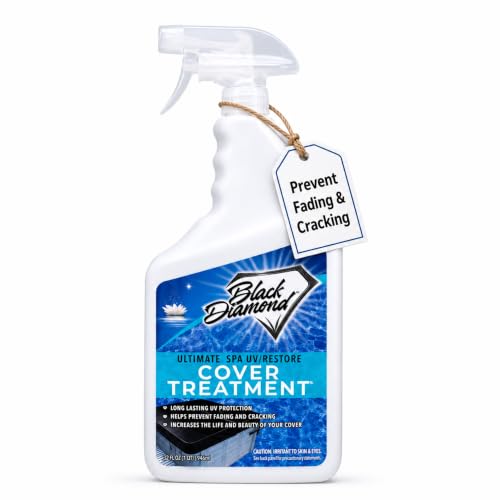
Cleaning removes dirt and chemical film, but washing alone leaves vinyl polymers unprotected against solar drying and atmospheric oxidation. Applying a high-grade vinyl protectant replenishes the synthetic moisture barrier that keeps outer skins soft and supple. Formulas such as Spa Hot Tub Cover Treatment & Protector by Black Diamond Stoneworks provide advanced UV inhibitors that prevent sun fading, surface chalking, and micro-cracking. This conditioning treatment repels water and prevents airborne soot from adhering between maintenance cycles.
Apply conditioning protectants only after the vinyl surface has dried completely following its washing session. Spray or pour the protectant onto a clean microfiber application pad rather than applying heavy puddles directly onto the vinyl. Spread the product across the top deck and side skirts in thin, overlapping passes to ensure uniform coverage across all sections. Quality formulas absorb evenly without leaving sticky or greasy residues that would otherwise attract floating yard dust and pet hair.
Buff the surface gently with a dry microfiber cloth after application to produce an even, satin sheen that sheds rainwater effectively. Never apply vinyl protectants or conditioners to the underside of the cover that sits directly over the spa water. Conditioning oils and silicones will rinse into the hot tub water, causing cloudy water conditions and clogging pleated cartridge filters. Confine conditioning treatments strictly to the exterior top, side skirts, and safety tie-down straps exposed to outdoor weather.
Vapor Barrier Checks and Preventing Waterlogged Foam
A sparkling clean exterior cannot make up for a waterlogged foam core that has lost its insulating thermal resistance. Every seasonal cleaning session should include a physical weight check and close inspection of the inner core inserts. Tapered expanded polystyrene foam cores are heat-sealed inside thin polyethylene vapor barriers to isolate the foam beads from moisture. Over years of use, chemical vapors, ozone, and physical flexing can cause tiny pinhole tears in this internal plastic barrier.
Pay attention to the physical weight of the cover whenever you lift it off the spa cabinet for routine cleaning. A standard vinyl cover weighs between thirty-five and fifty-five pounds when dry, but a saturated core can quickly exceed one hundred pounds. Excessive weight strains cover lifter pivot joints, pulls cabinet mounting screws loose, and creates substantial lifting hazards for bathers. Reviewing your spa cover warranty guidelines can clarify whether moisture saturation or vapor barrier failures qualify for replacement coverage.
Unzip the outer vinyl casing along the hinge zipper to inspect the wrapped foam inserts for standing water. If you notice condensation trapped inside the vinyl jacket, carefully tilt the core to let water escape through the bottom drainage grommets. If the vapor barrier has a small puncture while the inner foam remains dry, seal the opening with heavy-duty waterproof vinyl tape. Once foam beads become fully saturated with moisture, the cover loses its insulating R-value, drastically increasing winter heating costs and requiring core replacement.
Seasonal Maintenance Routines for Outdoor Spas
Maintaining a regular cleaning schedule prevents heavy staining and extends the operational lifespan of your vinyl cover significantly. Perform a light surface inspection and clean water rinse every two to three weeks to remove dust, pollen, and leaves before they adhere. A brief five-minute rinse prevents abrasive garden dirt from grinding into the vinyl when the cover folds back during daily spa use.
Schedule a complete deep clean using specialized products such as AquaDoc or EROSMILE every two to three months, aligning with your quarterly spa drain and refill. Washing the cover while the hot tub is empty allows you to clean both top and bottom surfaces thoroughly without concern about soapy runoff entering the water. Reapply a protective UV treatment like the Black Diamond Stoneworks protector immediately after each deep cleaning session to restore the weather-repellent barrier.
Winter care requires careful attention in cold climates where heavy snow loads and freezing rain threaten seam integrity. Remove fresh snowfall promptly using a soft-bristled broom rather than a rigid metal snow shovel that could gouge cold, stiff vinyl. Never allow thick snow drifts to sit on the cover for extended periods, as heavy snow causes center foam sagging and seam distortion. Consistent year-round care ensures your vinyl cover remains flexible, insulated, and structurally sound for years of dependable service.
Cleaning and preserving a vinyl spa cover requires mild cleaning agents, gentle scrubbing techniques, and routine surface conditioning. Avoiding corrosive chemicals like household bleach while using pH-neutral vinyl cleaners shields exterior materials and seam stitching from premature breakdown. Propping the cover open after chemical additions, clearing underside moisture, and applying UV protectants keeps the cover light, clean, and energy efficient. Incorporating these simple habits into your monthly hot tub maintenance routine protects your investment and ensures a clean, welcoming soak every time.








Write Your Review
No reviews yet. Be the first to share your experience!