


Most automatic pool cleaners cost between $80 and $400, depending on the technology and pool type. The exact figure varies significantly based on whether you choose a suction-side unit, a pressure-side system, or a battery-powered robotic model. Suction-side cleaners typically fall in the lower to mid-range, while robotic units often command a premium for their self-contained power and navigation features. Understanding these price brackets helps you budget accurately for both the initial purchase and any necessary plumbing upgrades.
For many pool owners, the decision hinges on balancing upfront cost with long-term maintenance effort. A basic suction cleaner may be affordable but requires compatible pump flow, whereas a cordless robot offers convenience without additional plumbing. Factors like pool surface material, size, and existing equipment impact the final expense. By reviewing the specific capabilities and requirements of each cleaner type, you can identify the most cost-effective solution for your maintenance routine. This guide breaks down the pricing landscape for November 2026 to help you make an informed choice.




Price Ranges by Cleaner Type
The cost of an automatic pool cleaner depends heavily on its power source and cleaning mechanism. Suction-side cleaners rely on your existing pool pump to move water and debris, making them generally less expensive than self-powered robots. Pressure-side cleaners use a dedicated booster pump to propel the unit, adding to the total system cost.
Robotic cleaners contain their own motors, batteries, and filtration systems, which drives up the price but eliminates plumbing dependencies. Each type serves different pool configurations and maintenance preferences, so the “best” price is the one that matches your specific setup.
| Cleaner Type | Typical Price Range | Key Cost Drivers |
|---|---|---|
| Suction-Side | $80 – $350 | Hose length, pump compatibility, navigation tech |
| Pressure-Side | $300 – $600+ | Booster pump requirement, debris tank size |
| Corded Robotic | $300 – $1,000+ | Navigation, wall-climbing, filtration quality |
| Cordless Robotic | $100 – $400 | Battery capacity, runtime, suction power |
When evaluating these ranges, consider that suction-side units often require a minimum pump horsepower to function effectively. If your existing pump is underpowered, you may need to upgrade it, which adds to the total investment. Robotic units, particularly cordless models, avoid this issue by operating independently. The table above provides a general framework, but specific models vary based on brand, features, and pool compatibility. Always verify the minimum flow rate requirements before purchasing a suction or pressure cleaner.
Suction-Side Cleaner Costs
Suction-side cleaners are often the most budget-friendly option for inground pools. They connect to the skimmer or a dedicated suction line and use the pool’s circulation system to move and filter debris. Prices typically start around $80 for basic models and can reach $350 for advanced units with better navigation and climbing capabilities. The Zodiac G3 and MX6 are examples of popular suction-side cleaners that offer reliable performance for various pool surfaces. These units are ideal for pools with strong pump flow rates, as they depend on suction to operate.
One advantage of suction-side cleaners is their simplicity. They do not require batteries, complex electronics, or dedicated power sources. However, they are limited by the flow rate of your pool pump. If your pump is a variable-speed model set to a low RPM, the cleaner may not have enough suction to climb walls or navigate effectively.
Some models include flow control valves to adjust suction, which can help optimize performance on different pump settings. When budgeting for a suction cleaner, factor in the potential cost of a pump upgrade if your current system is insufficient.
Robotic Cleaner Price Factors
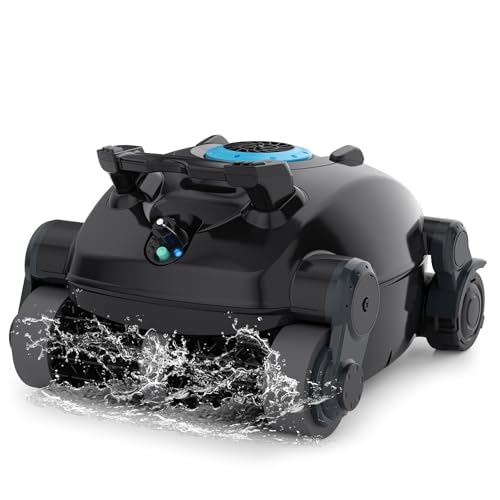
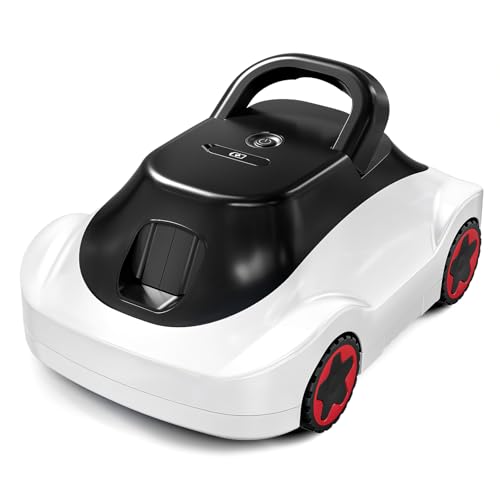
Robotic pool cleaners are self-contained units that do not rely on the pool’s plumbing system. They come in two main varieties: corded and cordless. Corded robots are powered by an external transformer and often offer longer runtimes and more advanced features. Cordless robots use rechargeable batteries, offering greater flexibility but with limited cycle times.
Prices for robotic cleaners vary widely, with basic floor-only models starting around $100 and high-end wall-climbing units exceeding $400. The ROBOKLEEN X1 and WYBOT C1 are examples of cordless robots that offer strong suction and navigation features at competitive price points.
The cost of a robotic cleaner is influenced by several factors, including battery capacity, suction power, and navigation technology. Models with higher GPH (gallons per hour) suction ratings can capture finer debris, which may justify a higher price point for pools with heavy silt or algae issues.
Navigation systems also impact cost; basic random-bounce robots are cheaper, while gyroscopic mapping units that cover pools more efficiently command a premium. When comparing robotic cleaners, look at the runtime per charge and the size of the debris basket. Larger baskets reduce the frequency of emptying, which can save time in the long run.
- Check the minimum pump horsepower requirement for suction-side cleaners.
- Verify the battery runtime matches your pool size for cordless robots.
- Consider the debris basket capacity to minimize maintenance frequency.
- Look for wall-climbing capabilities if you need above-waterline cleaning.
- Ensure the cleaner is compatible with your pool surface material.
Hidden Costs to Consider
Beyond the sticker price, several hidden costs can impact the total expense of an automatic pool cleaner. For suction and pressure-side units, plumbing installation is a significant factor. Connecting a pressure-side cleaner requires a dedicated booster pump, which can cost several hundred dollars and requires professional installation. Suction-side cleaners may need a dedicated suction line for optimal performance, especially in larger pools. These plumbing upgrades add to the initial investment but can improve cleaning efficiency and reduce strain on your existing equipment.
Replacement parts and maintenance also contribute to long-term costs. Robotic cleaners require periodic cleaning of filter cartridges and debris baskets, which are inexpensive but recurring expenses. Suction-side cleaners may need hose replacements if the vacuum hose kinks or wears out.
Battery replacement for cordless robots is a major cost factor, as batteries degrade over time and may need to be replaced every 2-3 years. When budgeting for a pool cleaner, include an annual maintenance allowance to cover these ongoing expenses. This ensures you have funds available for necessary repairs and part replacements.
Value vs. Price: What Matters Most
The most expensive pool cleaner is not always the best value for your specific situation. A high-end robotic cleaner with advanced navigation may be overkill for a small above-ground pool with a flat bottom. Conversely, a basic suction-side cleaner may struggle to clean a large inground pool with steep walls and steps.
The key is to match the cleaner’s capabilities to your pool’s characteristics and your maintenance preferences. A mid-range cordless robot with strong suction and decent runtime may offer the best balance of cost and performance for many pool owners.
Consider the time savings provided by the cleaner. If you are currently spending hours manually vacuuming and brushing your pool, the cost of an automatic cleaner may be offset by the time you reclaim. For busy homeowners, a self-parking robotic cleaner that requires minimal intervention can be a worthwhile investment.
On the other hand, if you enjoy manual maintenance and have a small pool, a basic suction cleaner or even a manual vacuum might be sufficient. Evaluate your lifestyle and maintenance habits when deciding how much to spend on an automatic pool cleaner.
Comparison of Key Features by Price Tier
Understanding how features scale with price helps you make an informed decision. Budget-friendly cleaners typically offer basic floor cleaning and simple navigation. Mid-range models add wall-climbing capabilities, larger debris baskets, and more powerful suction. Premium units include advanced navigation systems, app connectivity, and longer runtimes. The following list highlights the features you can expect at different price points, helping you identify the minimum specifications that meet your needs.
- Budget tier: Basic floor cleaning, simple navigation, small debris basket.
- Mid-range: Wall-climbing, stronger suction, larger basket, better navigation.
- Premium: Advanced gyroscopic navigation, app control, long runtime, high suction.
- All tiers: Ensure compatibility with your pool surface and pump flow rate.
- Check warranty terms and availability of replacement parts before purchasing.
Factors That Influence Pricing
Several factors influence the price of an automatic pool cleaner. The type of cleaner is the primary driver, with robotic units generally costing more than suction-side models. Within each category, features like suction power, runtime, and navigation technology add to the cost. Brand reputation and warranty coverage also impact pricing, as established brands often charge a premium for their reliability and support. The size of the pool you intend to clean also matters; larger pools require cleaners with longer runtimes or higher capacities, which tend to be more expensive.
Additionally, the complexity of your pool’s design can affect the cost. Pools with steep walls, steps, and ladders require cleaners with advanced climbing and navigation capabilities, which are typically found in higher-priced models. If your pool has a unique shape or multiple levels, you may need a more sophisticated unit to ensure complete coverage. Conversely, simple, flat-bottom pools can be cleaned effectively by basic, lower-cost cleaners. Assess your pool’s specific challenges when determining how much to spend on an automatic pool cleaner.
Ultimately, the cost of an automatic pool cleaner is an investment in convenience and water quality. By understanding the price ranges, hidden costs, and key features, you can choose a unit that fits your budget and maintenance needs. Whether you opt for a budget-friendly suction cleaner or a premium robotic model, ensure it is compatible with your pool’s specifications. This guide provides a clear overview of the pricing landscape for November 2026, helping you make a confident purchasing decision.




Write Your Review
No reviews yet. Be the first to share your experience!