

Most Dolphin pool cleaners operate reliably for five to eight years under normal residential use, though specific lifespan depends heavily on maintenance frequency, water chemistry, and storage practices. The direct answer varies by model type, with corded robotic units often outlasting basic suction-side alternatives due to sealed motor designs and durable track systems. Understanding these variables helps you maximize the return on your investment and plan for eventual part replacements or full unit upgrades.

Owners who neglect routine filter cleaning or expose units to extreme chemical imbalances may see performance degrade significantly earlier. Conversely, proper off-season storage and regular inspection of drive tracks can extend functional life well beyond the average range. This article breaks down the mechanical, environmental, and user-dependent factors that influence how long your Dolphin pool cleaner remains effective, providing a realistic framework for maintenance planning.


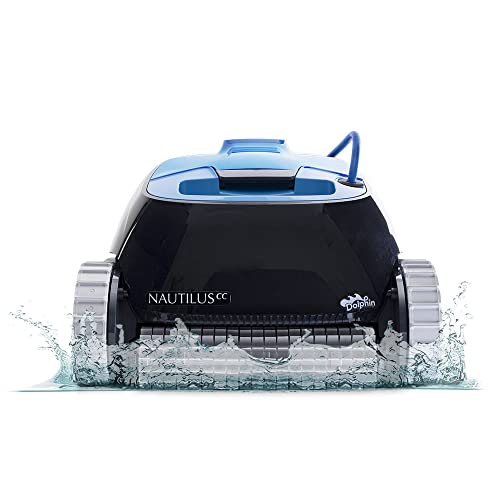


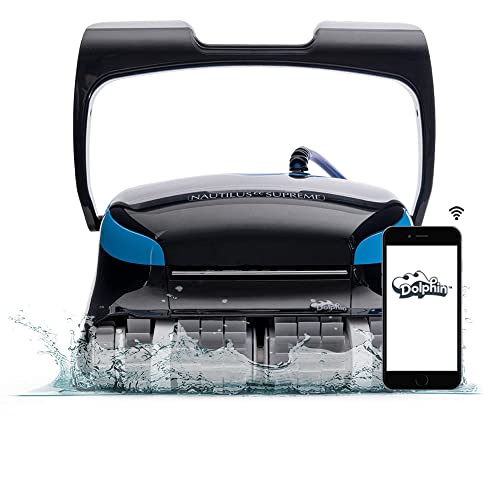
The operational lifespan of a robotic pool cleaner is not a fixed number but a result of cumulative stress on its mechanical and electrical components. The primary drivers of wear are the drive system, filtration integrity, and exposure to pool chemicals. Most manufacturers design these units to handle daily cycles, but the rate of degradation accelerates if the unit operates in suboptimal conditions or lacks basic care. Identifying which component is failing first often indicates whether the issue is mechanical wear or environmental damage.
| Component | Typical Lifespan | Primary Failure Cause |
|---|---|---|
| Drive Tracks | 2-4 Years | Chemical exposure, abrasion |
| Motor/Seals | 5-8 Years | Water intrusion, overheating |
| Filter Basket | 3-5 Years | Debris clogging, tearing |
| Power Cable | 5+ Years | UV damage, kinking |
Several elements directly impact how long your unit remains functional. Checking these areas regularly can prevent minor issues from becoming major repairs. The following points highlight the most common areas where wear occurs and how they affect overall longevity:
- Drive track wear from chemical exposure and abrasive pool surfaces
- Filter basket degradation due to consistent debris load and chemical stress
- Power cable insulation damage from UV exposure and physical kinking
- Motor seal failure caused by water intrusion during improper storage
Impact of Water Chemistry on Components
Pool water chemistry is the single most significant environmental factor affecting cleaner longevity. High chlorine levels, especially during shock treatments, can accelerate the degradation of rubber seals and plastic housings. If your pool water is out of balance, the corrosive effects on the drive tracks and internal electronics can reduce functional life by several years. Maintaining proper pH and alkalinity levels is essential to protecting the unit’s structural integrity.
Alkaline water tends to be harsher on plastic components, while acidic water can corrode metal parts. The manufacturer’s documentation indicates that standard residential chemical levels are within the design tolerance, but extreme fluctuations outside these ranges increase wear. Owners who perform regular shock treatments should remove the cleaner from the water during these periods to minimize direct chemical exposure. This simple step can significantly extend the life of the rubber tracks and seals.
Role of Maintenance and Filter Care
Routine maintenance is critical for sustaining the cleaning efficiency and mechanical health of the unit. The filtration system acts as the first line of defense against debris, but it also collects the majority of the wear. Failing to rinse the filter basket regularly allows fine silt and sand to accumulate, increasing strain on the pump motor. Over time, this clogging can lead to overheating and premature motor failure.
Inspecting the filter basket for tears or holes is equally important. A compromised filter allows debris to bypass the cleaning cycle, reducing water clarity and potentially clogging the internal pump intake. Many owners find that rinsing the filter after every use, rather than just weekly, keeps the system running smoothly. This practice also helps identify early signs of material degradation, such as brittleness or discoloration, before they lead to a complete failure.
Storage Practices and Seasonal Care
How you store the cleaner when it is not in use has a profound effect on its long-term durability. Leaving a wet unit in direct sunlight or in a hot garage can cause plastic components to warp and rubber tracks to harden. The quick-water-release feature helps drain excess water, but it does not eliminate all moisture from the internal compartments. Proper drying is a crucial step in preventing mold, mildew, and corrosion during storage.
Using a dedicated storage caddy or cart keeps the unit organized and protects the power cable from tangling or kinking. A tangled cable can suffer internal wire damage, leading to electrical faults that are difficult to repair. The manufacturer recommends storing the unit in a cool, dry place away from extreme temperatures. For off-season storage, ensuring the battery is fully charged and the unit is completely dry is vital for preserving its functionality.
Drive Mechanism and Track Durability
The drive system is the most visible indicator of a cleaner’s age and condition. Rubber tracks provide the traction needed to navigate pool floors and walls, but they are subject to constant abrasion. Over time, the tread pattern wears down, reducing grip on slick surfaces like fiberglass or glazed tile. This loss of traction can cause the unit to slip, resulting in incomplete cleaning cycles and increased motor strain.
Inspecting the tracks for cracks, tears, or excessive wear is a simple but effective maintenance task. If the tracks are damaged, they should be replaced promptly to prevent further wear on the drive motor. The listed specifications indicate that these parts are designed to be replaceable, allowing owners to extend the life of the unit without purchasing a new one. Regular track maintenance ensures consistent performance and prevents the unit from getting stuck on slopes or steps.
Electrical Components and Power Supply
The electrical system, including the power supply unit and control box, is generally robust but sensitive to moisture and physical damage. The power cable is often the first electrical component to show signs of wear, particularly at the connection points. Kinking or crushing the cable can break the internal wires, leading to intermittent power loss or complete failure. Handling the cable with care during retrieval and storage is essential to maintaining its integrity.
The power supply unit should be kept dry and protected from direct water contact. While the cleaner is designed to operate in water, the power source must remain outside the pool. Using a GFCI outlet is a critical safety measure that also protects the electrical components from voltage spikes. Regularly inspecting the power supply for any signs of overheating or discoloration can help identify potential electrical issues before they become dangerous.
Model-Specific Longevity Considerations
Different Dolphin models are designed for specific pool types and cleaning tasks, which can influence their longevity. Models with active scrubbing brushes, such as the practical maintenance guide, may experience additional wear on the brush mechanism. However, this wear is often easily replaceable, allowing the unit to continue functioning effectively. Wall-climbing models, which exert more force on the drive system, may show track wear sooner than floor-only units.
The complexity of the navigation system also plays a role. Units with smart navigation technology rely on sensors and software to map the pool. While these components are generally durable, they can be affected by dirt buildup on the sensor lenses. Keeping the sensors clean ensures accurate navigation and prevents the unit from operating inefficiently. The listed specifications for various models indicate that these features are designed to enhance performance without significantly impacting overall durability.
Signs It Is Time for Replacement
Knowing when to replace a pool cleaner is as important as knowing how to maintain it. Persistent mechanical failures, such as motor burnout or repeated track slippage, are clear indicators that the unit is nearing the end of its useful life. If repair costs exceed a significant portion of the price of a new unit, replacement is often the more economical choice. Additionally, if the unit no longer cleans effectively despite proper maintenance, it may be time to upgrade to a newer model with improved technology.
Electrical issues that cannot be easily resolved, such as a faulty control board, are another strong signal for replacement.
- These components are complex and often expensive to repair, making them a significant factor in the decision.
- A newer model may offer better energy efficiency, improved navigation, and enhanced filtration capabilities, making it a worthwhile investment.
- The decision to replace should be based on a cost-benefit analysis, considering the age of the unit, the frequency of repairs, and the availability of replacement parts.
Maximizing the lifespan of your Dolphin pool cleaner requires a proactive approach to maintenance and storage. By monitoring water chemistry, cleaning filters regularly, and inspecting drive tracks, you can ensure the unit operates efficiently for years. Proper care not only extends the functional life of the equipment but also maintains the clarity and health of your pool water. Consistent attention to these details protects your investment and ensures reliable performance season after season.




Write Your Review
No reviews yet. Be the first to share your experience!