

Unexpected electrical installation costs often catch homeowners off guard when upgrading a spa system. The debate around Hot Tub 120 Vs 220 is really about balancing heating efficiency with long-term energy savings. A 220V connection typically delivers more power to the heater, which can significantly reduce the time it takes to warm the water. This is especially relevant for owners in colder regions where maintaining a consistent temperature is a daily priority. You need to check your existing panel capacity before deciding on a voltage upgrade, as this directly impacts the feasibility of your project.
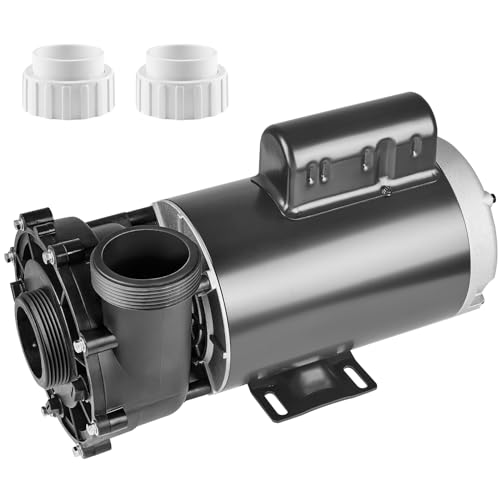
Based on our detailed comparison of voltage options, shell materials, and user feedback, the right choice depends on your specific setup. The VEVOR 2 Speed SPA Pump, 56-Frame, operates on AC 220-240V, offering robust jet pressure for hydrotherapy. Meanwhile, the 58117 Heater Assembly M7 Spa Hot Tub Heater supports both 120V and 240V configurations, providing flexibility for different control systems. Understanding these technical differences helps you avoid common pitfalls like weak jet pressure or slow heating. Many patio owners and renters like the convenience of plug-and-play setups, but hardwired 240V systems often provide better performance for larger tubs. Always verify the amperage requirements to ensure your GFCI breaker can handle the load safely.

For more on a connected point, our page on cost to install 220 for hot tub goes into it separately.
Common Questions About Spa Voltage
Can I use a 120V heater in a 240V spa?
No, you should not mix voltage ratings without a proper transformer. The mooncar heater assembly is designed to handle specific voltage inputs, and using the wrong one can damage the unit. Always check the manifold specifications to ensure compatibility with your control system.
Does 240V power make the jets stronger?
Yes, higher voltage allows pumps to draw more power, increasing flow rate. The VEVOR pump uses 220-240V to achieve 210 GPM at high speed, which enhances hydrotherapy intensity. This setup is ideal for users who want powerful muscle recovery benefits from their spa sessions.
Is 120V enough for heating a small hot tub?
It can be, but heating will be slower. A 120V setup is suitable for compact tubs or seasonal use, but it may struggle in cold climates. Consider the heater wattage and insulation quality to determine if the heating speed meets your needs for regular relaxation.
What is the main benefit of 240V for energy bills?
240V systems heat water faster, reducing the total time the heater runs. This can lower monthly electricity costs compared to a 120V unit that runs longer to reach the same temperature. Efficiency is key for owners looking to minimize their energy footprint while enjoying a warm soak.
Do I need a special breaker for 240V spas?
Yes, you need a dedicated GFCI breaker rated for the specific amperage. Most 240V spas require a 50-amp breaker, which is different from standard household outlets. Consult a licensed electrician to ensure your panel can support the additional load safely and comply with local codes.
A closely related question is covered in 110 volt vs 220 volt hot tub, which may help alongside this section.





Write Your Review
No reviews yet. Be the first to share your experience!