

Turning on your hydrotherapy jets only to watch thick layers of suds rise across the water ruins what should be a relaxing soak. Excessive foam is among the most frequent frustrations spa owners face, particularly when preparing the tub for guests or unwinding after a long day. Uncovering the root cause of why hot tub is foaming requires looking beyond the bubbles and examining the relationship between water chemistry and organic contamination. When surfactants like laundry detergents, cosmetics, and natural body oils enter heated water, jet aeration rapidly whips them into stubborn surface lather.
While surface foam looks uninviting, it also signals that your filtration system and sanitizer levels are struggling against heavy bather loads or chemical imbalances. In outdoor installations, airborne dust, tree pollen, and organic debris compound the problem if the spa shell remains uncovered between uses. Shielding your water with a reliable protective yard patio hot tub cover helps minimize outside contaminants that aggravate suds buildup. Resolving hot tub foam involves knocking down immediate bubbles with targeted defoamers while establishing consistent water care habits to preserve crystal-clear water.



Pros
- Compatible with all sanitizer types, removing the guesswork about whether it will work with your existing water-care system
- Fast-acting formula targets surface foam on contact, which can restore a pleasant soaking experience in minutes rather than hours
- Small, lightweight bottle is convenient to keep near the spa for immediate use whenever foam appears
- Straightforward application makes it accessible for first-time spa owners who may not yet be comfortable with complex chemical treatments
Cons
- Anti-foam products treat the symptom rather than the root cause - persistent foaming may indicate the need for a water change, filter cleaning, or adjusted bather habits
- A single 1-pint bottle may not last long for owners who use their hot tub frequently or have recurring foam issues from high bather loads
- The product listing does not specify exact dosing instructions per gallon of spa water, so buyers should check the bottle label carefully before applying
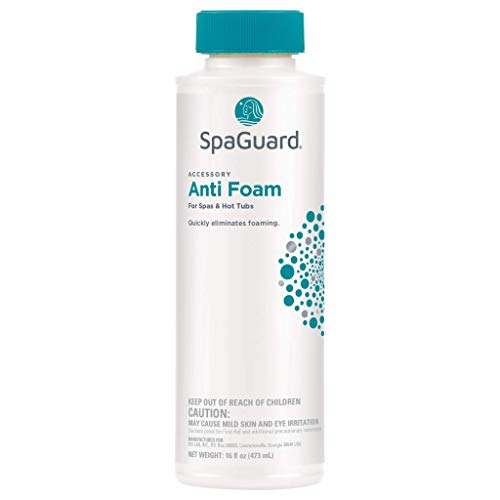
SpaGuard Spa Anti-Foam is a dedicated foam-elimination treatment sold in a 1-pint bottle and designed for use in all spas and hot tubs. It's best suited for hot tub owners who occasionally or regularly encounter surface foam - a common nuisance caused by residual detergents from swimwear, body lotions, cosmetics, deodorants, and other personal-care products that dissolve into warm, agitated water. Rather than requiring a full drain-and-refill, this product offers a fast, targeted way to clear foam and get back to enjoying a clean-looking soak.
The product is listed as compatible with all sanitizer types, which is a meaningful practical advantage. Whether a spa runs on chlorine, bromine, a saltwater chlorine generator, or a mineral-based system, SpaGuard Anti-Foam should integrate without conflicting with the existing water-care chemistry. This broad compatibility makes it a convenient shelf staple for households that may switch sanitizer methods over time, or for vacation-rental operators and property managers maintaining multiple spas with different setups.
From a day-to-day ownership standpoint, foam tends to appear most often after parties, after new bathers who haven't showered first, or when swimsuits have been washed with standard laundry detergent. A quick dose of anti-foam can restore the water's appearance without disrupting a planned soak. The compact bottle dimensions - roughly 7.6 x 2.3 x 2.3 inches and about 1 pound - mean it tucks easily into a spa-side storage bin, a maintenance caddy, or even a small outdoor cabinet. Older users or anyone who prefers minimal fuss with their water care will appreciate that there's no mixing or special equipment involved.
It's worth noting that anti-foam treatments address the visible symptom of foaming but don't resolve the underlying water-quality issue. If foam keeps returning quickly after treatment, that's typically a signal that total dissolved solids (TDS) are high, the water is overdue for a drain and refill, or the filter needs cleaning or replacement. Relying solely on anti-foam without investigating root causes can mask water-balance problems. Many experienced spa owners use anti-foam as a bridge solution - clearing foam for an evening soak while planning a water change for the weekend, for example.
For hot tub owners in any climate - whether dealing with heavy use in warm weather or maintaining a spa through cold-weather soaking season - foam can appear year-round. High-UV environments don't specifically cause foam, but increased sunscreen use among bathers certainly contributes. Families with kids who jump in without rinsing off, couples hosting friends, and rental operators with frequent guest turnover are all likely to encounter foam regularly enough to justify keeping a bottle on hand.
SpaGuard Spa Anti-Foam is a practical, low-cost maintenance product for any hot tub owner who wants a quick fix for surface foam. It's especially useful for first-time spa owners still learning water-care basics, busy families who want their spa ready on short notice, and property managers who need to keep rental spas looking inviting between guests. Before purchasing, consider how frequently foam appears in your spa - occasional users may find a single pint lasts a full season, while heavy-use spas may go through it faster. Pairing anti-foam with good bather habits like pre-soak rinsing and washing swimwear without detergent can reduce the need for repeated treatments.
SpaGuard Spa Anti-Foam is a reactive maintenance product rather than a preventive one. It works best as part of a broader water-care routine that includes regular filter cleaning or replacement, balanced sanitizer levels, and periodic water changes. When foam appears, a small dose applied directly to the water surface should begin dispersing foam quickly according to the product description.
To minimize how often anti-foam is needed, many spa owners encourage bathers to shower before entering the spa and avoid laundering swimwear with standard detergent - fabric softener and detergent residue are among the most common foam triggers. Keeping the spa filter clean also helps, since a clogged or degraded filter allows more contaminants to circulate. If foam persists even after treatment, testing total dissolved solids and considering a fresh water fill is a practical next step.
Store the bottle in a cool, dry location away from direct sunlight, consistent with standard chemical storage practices. The compact size makes it easy to keep alongside other water-care products without cluttering your storage area. Always check the product label for specific dosing guidance based on your spa's water volume before applying.

Comprehensive Guide to Hot Tub Foam: Causes, Solutions, and Water Chemistry
Hot tub water operates under high temperatures, vigorous aeration, and concentrated bather loads, creating an environment where foam develops easily. When hydrotherapy jet pumps activate, forced air mixes with water, allowing any substance that lowers surface tension to trap micro-bubbles. Understanding why hot tub is foaming requires distinguishing between harmless air bubbles and persistent chemical foam. Clean hydrotherapy bubbles pop within seconds after jet pumps shut off, whereas surfactant-laden suds linger, cling to acrylic walls, and form dense white clouds across the surface.
Left unaddressed, persistent foam can harbor bacteria, clog pleated filter cartridges, and generate unpleasant organic odors. Many spa owners instinctively reach for quick fixes, but resolving the underlying chemical and physical causes is the only path to lasting water clarity. Analyzing your water parameters, bather habits, and equipment maintenance routines helps pinpoint the exact origin of recurring suds. Taking a methodical approach ensures your spa remains a hygienic, inviting retreat rather than an ongoing maintenance struggle.
The Mechanics of Foam Formation: Surfactants and Surface Tension
Foam requires three specific elements to form in a spa environment: water, mechanical agitation from hydrotherapy jets, and a surfactant agent. Surfactants, short for surface-active agents, are organic or synthetic compounds that contain both water-attracting and oil-attracting properties. In clean, balanced water, cohesive molecular forces maintain strong surface tension that prevents air bubbles from sustaining their shape at the water line. When surfactants accumulate, their hydrophobic ends align toward rising air bubbles, dramatically reducing surface tension and creating a flexible film that encapsulates air.
As spa booster pumps drive pressurized water through jet nozzles, venturi air injectors draw high volumes of atmospheric air into the plumbing stream. Under normal conditions, these pressurized air bubbles breach the surface and immediately collapse back into the water column. When surfactant molecules coat the exterior of rising bubbles, the elastic barrier prevents them from bursting upon atmospheric contact. This allows incoming bubbles to stack on top of one another, generating an expanding layer of dense suds across the shell.
Personal Care Contaminants and Bather Load Factors
Human bathers represent the most common source of foaming surfactants in residential spas. Everyday personal care products like moisturizing body washes, scented lotions, deodorants, hair conditioners, and cosmetics readily dissolve in hot water. Even a single bather entering the spa with residual body lotion can introduce enough surfactant molecules to trigger substantial foaming across several hundred gallons. Over time, these oily residues circulate through the plumbing system and continuously generate lather whenever jet pumps run on high speed.
Laundry detergent residues embedded in swimwear are an equally common and frequently overlooked source of severe foaming. Standard washing machine cycles rarely rinse away all concentrated liquid detergents and fabric softeners from dense synthetic swimwear fabrics. When warm hot tub water penetrates these garments, the trapped detergent dissolves directly into the spa water. Establishing a dedicated spa swimwear routine or rinsing suits in warm tap water without laundry soap prevents this unwanted chemical contamination.
Bather load volume also plays a significant role in how quickly surfactant concentrations rise in the water. A compact hot tub hosting several adults introduces sweat, natural skin oils, and microscopic cosmetic traces within a single soaking session. When sanitizer levels drop during heavy use, these organic compounds escape oxidation and form a greasy surface film. Asking bathers to take a quick warm shower before entering the spa dramatically reduces the organic load entering your water.
Water Balance Factors: Low Calcium Hardness and pH Fluctuations
Water balance parameters directly dictate how easily foam forms, with calcium hardness serving as an essential chemical stabilizer. Soft water with low calcium hardness, typically measured below 150 parts per million, exhibits reduced surface tension that promotes rapid lathering. Just as soft water produces rich soap suds in a domestic shower, hot tub water deficient in calcium froths aggressively under jet action. Maintaining calcium hardness between 150 and 250 parts per million provides necessary water density to help suppress excessive bubble stabilization.
Imbalanced pH and erratic total alkalinity levels also aggravate foaming tendencies in hot water. When pH drifts above 7.8, sanitizers like free chlorine lose a significant percentage of their active germ-killing and oxidizing power. This allows organic contaminants to linger in the water rather than being broken down chemically. Conversely, acidic water below 7.2 irritates bather skin and can corrode internal heater elements. Maintaining total alkalinity between 80 and 120 parts per million locks your pH into the ideal 7.2 to 7.8 range.
Inadequate sanitizer levels are another primary driver of sudden suds formation in residential hot tubs. When free chlorine drops below 3 parts per million or bromine falls below 2 parts per million, biological byproducts accumulate unchecked. These unoxidized organics bind with skin lipids and collect on the water surface as an invisible suds-promoting film. Regular testing with dependable test strips or liquid test reagents ensures that sanitizer levels remain high enough to burn off contaminants continuously.
Total Dissolved Solids and the Aging Water Limit
Every chemical dose, shock oxidizer, and water balancer added to a hot tub leaves behind dissolved mineral byproducts. Over weeks of regular maintenance, these accumulated minerals raise the Total Dissolved Solids, commonly referred to as TDS. Once TDS levels climb past 1,500 parts per million above your initial fill water, the water becomes chemically saturated. Saturated water struggles to absorb new treatment chemicals, rendering routine balancing efforts ineffective and allowing foam to persist indefinitely.
Elevated TDS levels frequently coincide with dull water clarity, persistent chemical odors, and foam that returns minutes after applying defoamers. No chemical treatment or filtration medium can extract dissolved solids from hot tub water. Dilution through draining and refilling is the only effective method to lower high TDS concentrations. Most spa manufacturers recommend draining and refilling the tub every three to four months to reset the water chemistry baseline.
How Silicone Antifoam Concentrates Work
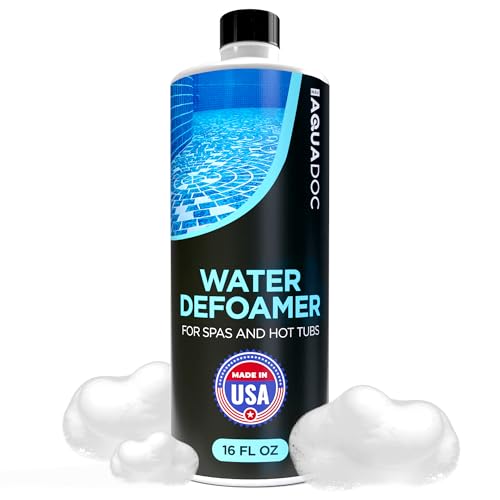
Hot tub defoamers, such as MAV AquaDoc Hot Tub Defoamer and Leisure Time Foam Down, rely on specialized silicone emulsions to suppress surface bubbles. Silicone fluids feature exceptionally low surface tension, allowing them to spread rapidly across the exterior film of an air bubble. When a drop of defoamer contacts a bubble wall, it interrupts the cohesive forces holding the surfactant molecules together. This localized disruption causes the bubble wall to thin rapidly, triggering an instantaneous collapse of the suds.
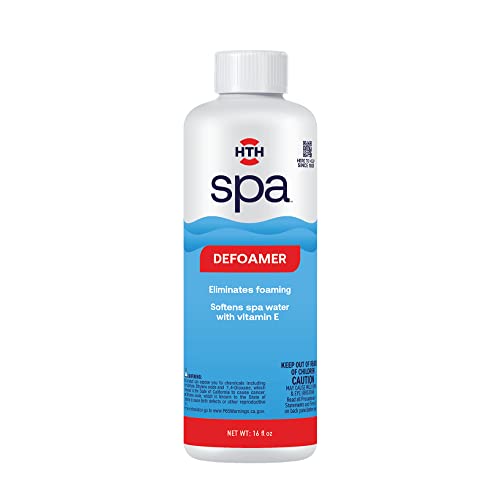
Formulations like GELEAN Hot Tub Defoamer and SpaGuard Spa Anti-Foam disperse evenly across the water column without leaving sticky residues on acrylic surfaces. These concentrated emulsions are formulated for compatibility with standard sanitizers, including chlorine, bromine, ozone systems, and biguanide. Furthermore, specialized products like HTH Spa Defoamer include conditioning agents that soften water feel while knocking down unsightly surface froth. Adding a measured dose directly over foaming zones delivers immediate visual improvement during hot tub gatherings.
It is vital to treat defoamers as temporary cosmetic aids rather than permanent chemical solutions. Silicone antifoam knocks down standing bubbles, but it does not remove detergents, body lotions, or dissolved solids from the water. Applying excessive defoamer over several days without shocking the water can cause silicone to accumulate on pleated filter cartridges. Using antifoam sparingly while treating the root source of contamination keeps your equipment running smoothly.
Immediate Action: Eliminating Heavy Foam Quickly
When heavy foam erupts right before an evening soak, an organized remediation sequence can resolve the problem rapidly. Start by shutting off the high-speed jet pumps and turning air control valves to their closed positions. Skim off as much standing foam as possible using a fine-mesh spa net or a small plastic container. Physically scooping suds off the surface removes a substantial portion of the trapped surfactant molecules directly from the water.
Next, shake your liquid defoamer thoroughly, whether using Kelvaron Hot Tub Defoamer or AquaDoc Hot Tub Defoamer. Add one to three ounces of the concentrate across the water surface while running the circulation pump on low speed. Allow the water to circulate for at least five minutes so the silicone emulsion disperses across the entire surface area. The dense foam blanket should collapse within seconds, leaving calm, clear water ready for bathers.
After suppressing the surface bubbles, inspect your outdoor surroundings to ensure external debris is not compounding water maintenance issues. Outdoor spas can accumulate dirt, falling foliage, and organic matter when left uncovered between uses. Installing a durable affordable foldable hot tub cover creates a reliable barrier against blowing yard debris while enhancing thermal efficiency. Maintaining a tight physical barrier reduces the organic burden placed on your filtration system.
Purging Biofilm and Plumbing Line Flushes
When foam returns quickly after refilling a spa with fresh water, the root problem often resides deep inside the plumbing lines. Over months of regular use, organic residues, skin cells, and bacteria adhere to internal PVC pipe walls to form a resilient layer called biofilm. Biofilm creates a protective slime matrix that shields bacteria from normal chlorine and bromine sanitizer levels. When high-pressure hydrotherapy jets activate, the shear force strips off microscopic biofilm fragments, creating persistent foaming and cloudiness.
Clearing deep plumbing biofilm requires an enzymatic line purge chemical prior to draining the spa. Remove your pleated filter cartridge and pour the recommended dosage of plumbing cleaner directly into the hot water. Run all jet pumps on high speed for twenty to thirty minutes, cycling through all diverter valves to ensure chemical flow through every internal manifold. You will typically see dark, discolored foam accumulate on the surface as loosened pipe deposits release into the water.
After completing the purge cycle, disconnect electrical power at the external GFCI disconnect switch and drain the tub completely. Wipe down the acrylic shell with a non-foaming spa surface cleaner to remove dirty waterline rings. Refill the hot tub by placing your garden hose down the filter standpipe to eliminate trapped air pockets in the pump wet end. Performing a plumbing purge once a year ensures your internal pipework remains clean and prevents mysterious post-refill foam.
Filter Cartridge Cleaning, Degreasing, and Replacement
Your pleated filter cartridge serves as the primary mechanical barrier capturing hair, body oils, and suspended organic debris. When a filter becomes saturated with cosmetic residues, it can no longer extract incoming contaminants from circulation. Saturated filters can also restrict water flow, which often causes topside control systems to trigger flow error codes. Regular filter inspection and cleaning ensure that surfactant oils are removed from the water rather than endlessly recirculated.
Rinsing your filter weekly with a garden hose removes coarse dirt, but it cannot dissolve oils embedded deep within the polyester pleats. Every month, submerge your filter cartridge in a specialized spa filter degreasing solution for twenty-four hours. Never use household dish soaps or laundry detergents to clean filters, as microscopic soap residues will produce uncontrollable foam upon reinstallation. Rinse the degreased cartridge thoroughly with fresh water until the runoff is completely free of suds before returning it to the filter housing.
Even with regular chemical degreasing, filter media eventually degrades from continuous exposure to hot water and sanitizers. Most pleated cartridges deliver reliable filtration for one to two years before the polyester fibers loosen and lose efficiency. Protecting your spa investment also means keeping the top surface shielded from intense sunlight and weather damage. Combining rigorous filter maintenance with a heavy-duty hot tub cover with warranty protects your filtration system and shell structure through every season.
Long-Term Foam Prevention and Bather Protocols
Preventing recurring foam requires combining sensible bather hygiene, disciplined water testing, and routine chemical oxidation. Establishing a clear clean-suit protocol among family members and frequent guests yields immediate improvements in water stability. Encourage bathers to take a quick rinse before soaking to wash away deodorants, cosmetics, and skin moisturizers. In addition, designate swimwear specifically for hot tub use that is rinsed in clear water rather than washed in sudsy laundry detergent.
Chemical oxidation represents your strongest regular defense against unavoidable organic matter introduced during soaking sessions. Adding a non-chlorine shock oxidizer after heavy use burns off organic contaminants without producing unpleasant chloramine odors. Weekly shocking breaks down surfactant compounds before they can form visible foam blankets across the surface. Pair this routine with weekly water testing to keep free chlorine between 3 and 5 parts per million, or bromine between 3 and 6 parts per million.
Maintaining a consistent water care schedule ensures your spa remains clean, inviting, and completely foam-free throughout the year. Keep a quality silicone defoamer on hand for quick cosmetic touch-ups whenever unexpected suds appear before a gathering. Remember that regular draining every three to four months, thorough filter degreasing, and balanced water chemistry provide the only lasting solutions. With proper maintenance habits in place, your hot tub will consistently deliver relaxing hydrotherapy without frustrating surface suds.


Write Your Review
No reviews yet. Be the first to share your experience!