
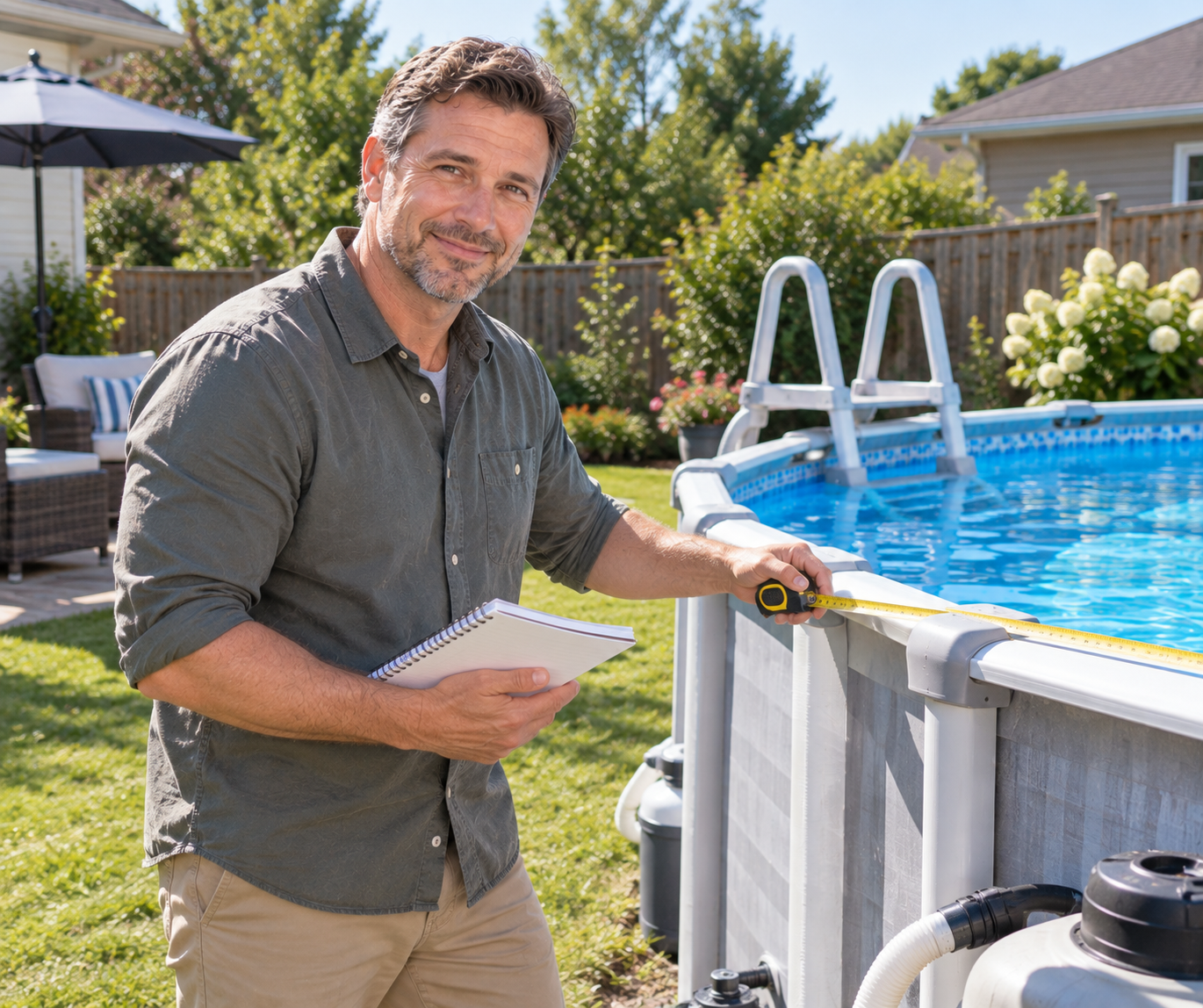

Whether you need an automatic pool cleaner depends largely on your pool’s size, surface type, and how much time you are willing to spend on manual maintenance. For many homeowners, the answer is yes, because these devices handle the repetitive task of vacuuming floors and walls without requiring constant supervision.
However, the right choice varies significantly between a battery-powered robotic unit and a suction-side model that relies on your existing pump system. Understanding these differences helps you avoid buying equipment that is too weak for your specific pool profile or plumbing setup.
Manual vacuuming is labor-intensive, especially for large inground pools with deep ends or complex steps. An automated system can reduce this physical burden by working while you enjoy other activities. Some owners prefer the simplicity of a cordless robot that parks itself at the edge, while others opt for a suction cleaner that integrates directly with their filtration system.
The following options cover various price points and capabilities, from basic floor vacuums to advanced units with app control and wall-climbing features. Each model listed below has distinct strengths regarding runtime, filtration, and compatibility with different pool finishes like vinyl, gunite, or fiberglass.

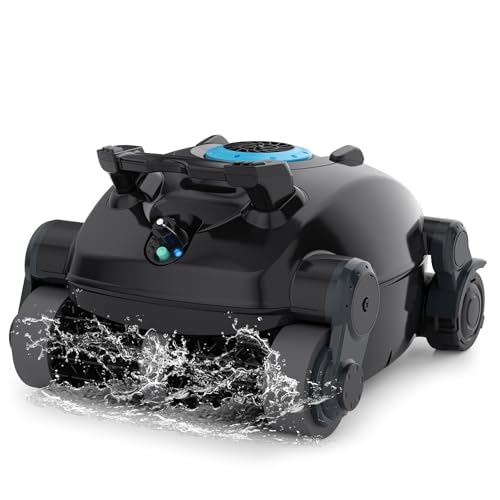

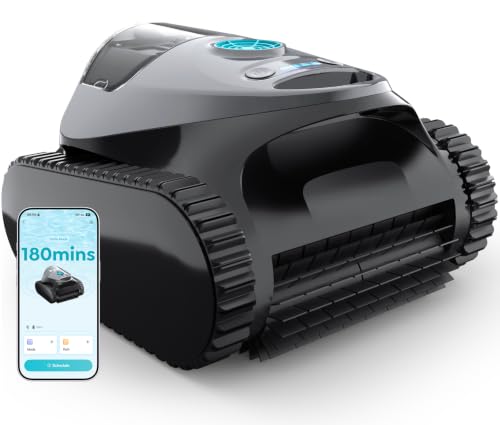


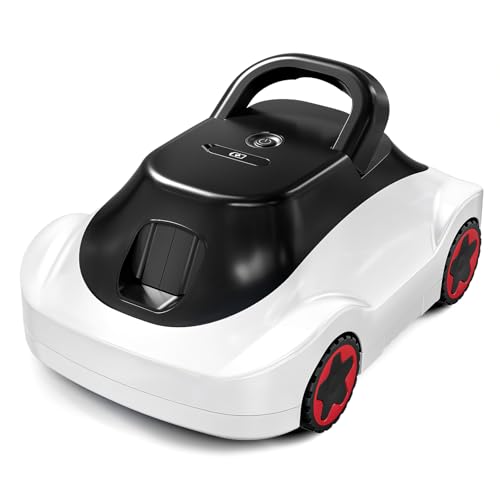

The decision to automate pool cleaning comes down to balancing convenience against initial investment and maintenance complexity. If you find yourself spending more than an hour a week manually vacuuming or skimming, an automatic unit can reclaim that time. The core question is not just whether to buy one, but which type fits your specific infrastructure.
Suction-side cleaners require adequate pump horsepower, while robotic cleaners need reliable charging infrastructure and storage. By matching the cleaner’s capabilities to your pool’s physical characteristics, you ensure the device actually solves your maintenance pain points rather than creating new ones.
| Cleaner Type | Power Source | Best For | Key Limitation |
|---|---|---|---|
| Suction-Side | Pool Pump | Large Inground Pools | Requires High Pump Flow |
| Robotic (Corded) | External Power | Deep/Wall Cleaning | Cable Management |
| Robotic (Cordless) | Battery | Flat Bottoms/Small Pools | Limited Runtime/Wall Climb |
| Manual | Human Power | Spot Cleaning/Budget | High Physical Effort |
Before purchasing, you must verify that your pool’s plumbing and structure can support the chosen technology. A suction-side cleaner is only as good as the pump driving it, whereas a robotic unit is self-contained but limited by battery capacity and navigation algorithms. Here are the critical factors to check before committing to a specific model:
- Verify your pool pump horsepower meets the minimum requirement for suction-side units.
- Check if your pool has a dedicated suction port or if you must use a skimmer.
- Measure your pool’s surface area to ensure the robot’s runtime covers the full floor.
- Determine if your pool surface is vinyl, fiberglass, or gunite to select appropriate brushes.
- Assess the depth of your deep end to see if a cordless unit can be retrieved easily.
Understanding Suction-Side vs. Robotic Systems
Suction-side cleaners, like the Zodiac models listed, connect to your pool’s existing filtration system. They use the pump’s suction to pull water and debris through a hose into the filter. This method is energy-efficient because it does not require a separate motor or battery, but it depends heavily on your pump’s flow rate.
If your pump runs at low speeds for energy savings, a suction-side cleaner may stall or fail to navigate the pool effectively. Manufacturers often specify a minimum horsepower rating, such as 1.0 HP, to ensure sufficient flow for the cleaner to move and climb walls.
Robotic cleaners, on the other hand, are self-contained units with their own motors and filters. They do not rely on your pool pump for movement, making them ideal for pools with variable-speed pumps that often run at lower RPMs. Corded robots have unlimited runtime as long as the power supply is connected, but the cable can tangle if the swivel mechanism fails.
Cordless robots offer freedom from cables but are limited by battery life, typically ranging from 100 to 250 minutes. This limitation means they are best suited for pools that can be fully cleaned within that timeframe. If your pool is larger than the robot’s coverage area, you may need to run it in multiple sessions.
Matching the Cleaner to Your Pool Surface
The material of your pool floor and walls dictates the type of drive and scrubbing system you need. Vinyl liner pools are delicate and can be torn by aggressive brushes or sharp edges. Robotic cleaners designed for vinyl often feature soft rubber tracks and non-abrasive brushes to prevent damage.
For example, the Y20 Robotic Pool Cleaner is noted as safe for vinyl liners, fiberglass, and mosaic tiles without abrasive wear. This compatibility is crucial because a cleaner that is too aggressive can scratch gelcoat or puncture a liner, leading to expensive repairs.
Gunite and plaster pools are more durable but can be slippery when wet. Cleaners for these surfaces often require strong suction or specialized tracks to maintain grip on vertical walls. The WYBOT C1, for instance, is designed to navigate slopes of up to 45 degrees, which is useful for inground pools with steep deep-end hoppers. If your pool has smooth fiberglass walls, you may need a unit with PVA foam rollers or enhanced traction to climb effectively. Without the right grip, the cleaner will slide down the wall and only clean the floor, leaving the waterline and upper walls dirty.
Runtime, Battery, and Coverage Considerations
For cordless robotic cleaners, runtime is the most critical specification. You must compare the stated cleaning time against your pool’s size. A pool of 1,000 square feet may require 90 minutes to clean thoroughly, depending on the amount of debris and the robot’s speed.
If your robot only offers 60 minutes of runtime, it will not finish the job, leaving debris behind. Models like the C5 Robotic Pool Cleaner offer 180 minutes of runtime, which provides a buffer for larger pools or heavier debris loads. This extra time ensures the robot can complete its cycle without stopping mid-pool, which would require you to retrieve it manually.
Beyond runtime, consider the navigation system. Random bounce navigation is common in budget models, but it can miss spots or overlap areas inefficiently. Gyroscopic or AI-based navigation, found in higher-end models like the BRINBO C1, plans optimized paths to cover the entire pool systematically. This is particularly important for rectangular pools with corners, where random bounce cleaners might struggle to reach edges. App-controlled robots allow you to customize cleaning modes, such as floor-only, wall-only, or full pool, giving you control over how the robot spends its battery. This flexibility is useful if you only need a quick floor clean before a party rather than a full deep clean.
Plumbing Requirements and Installation
If you choose a suction-side cleaner, installation is straightforward but requires attention to plumbing details. Most suction cleaners connect to a dedicated suction port or a skimmer vacuum plate. If your pool does not have a dedicated suction line, you will need to install an adapter on the skimmer. This setup is simple but may reduce the skimmer’s effectiveness at capturing surface debris.
The Zodiac G3, for example, includes connection accessories for both dedicated suction lines and skimmer installation, making it versatile for different pool setups. You should also check the hose length; if the hose is too short, the cleaner may not reach the far end of the pool, leaving debris in that area.
For robotic cleaners, installation involves setting up a power source. Corded robots require a GFCI-protected outlet near the pool, and the power supply must be weatherproof. The cable must be long enough to cover the pool’s length, plus extra for the swivel. Cordless robots require a charging station, which can be placed indoors or outdoors depending on the model’s waterproof rating. You must also consider storage; robotic cleaners are bulky and need a dry place to charge and store. If you live in a cold climate, you may need to bring the robot indoors during winter to prevent battery damage and freezing. This logistical consideration is often overlooked but can impact the long-term usability of the device.
Maintenance and Long-Term Costs
Automatic pool cleaners require regular maintenance to function correctly, and you should factor in the cost of replacement parts when calculating the total cost of ownership.
- Suction-side cleaners need their hoses and discs checked for wear and clogs to ensure proper operation.
- The debris canister or filter must be emptied and rinsed after each use to prevent clogging.
- Robotic cleaners have filters that need to be cleaned, and their tracks and brushes may wear out over time.
- Replacement parts, such as tracks, brushes, and filter panels, are available but can be expensive for owners.
- Some brands, like WYBOT and BRINBO, offer warranties that cover defects, but wear items are typically not covered.
Chemical exposure also affects cleaner longevity. High chlorine levels or shock treatments can degrade plastic components, seals, and electronics. It is generally recommended to remove robotic cleaners from the pool during shock treatments to protect their internal components. Suction-side cleaners are less susceptible to chemical damage because they are made of durable plastic and rubber, but their seals can still degrade over time. Regular inspection of the cleaner’s components helps identify wear before it leads to failure. Keeping the cleaner clean and dry when stored also extends its life and prevents mold or mildew growth.
When to Choose a Manual Vacuum Instead
For some pool owners, an automatic cleaner is not worth the investment. If you have a small above-ground pool that can be vacuumed in 15 minutes with a manual vacuum, buying an automatic unit may not save enough time to justify the cost. Manual vacuums are inexpensive, easy to store, and require no electricity or plumbing.
They are also versatile, as you can target specific areas with algae or debris. If you only use your pool a few times a year, a manual vacuum is a practical and economical choice. You can also use a manual vacuum to spot-clean areas that an automatic cleaner might miss, such as under ladders or in tight corners.
However, if you use your pool frequently, the time saved by an automatic cleaner can be significant. Imagine spending an hour every week vacuuming your pool versus pressing a button and letting the robot work while you do something else. For busy homeowners or rental properties, this convenience is a major benefit. The key is to choose the right type of automatic cleaner for your specific needs. By understanding the differences between suction-side and robotic units, and considering your pool’s surface, size, and plumbing, you can make an informed decision that enhances your pool ownership experience.
If you are still unsure about which type of cleaner suits your pool, consider your primary goal. If you want to eliminate manual vacuuming entirely, a robotic cleaner is the best option. If you want to reduce manual effort but keep costs low, a suction-side cleaner might be a good compromise.
For most inground pool owners, the convenience of an automatic cleaner outweighs the initial cost, especially when factoring in the time saved and the improved water clarity. The products listed above offer a range of options to suit different budgets and pool types, so you can find the right fit for your specific situation.
For more insights on maintaining your pool equipment, you might find our guide on practical pool care tips helpful, as it covers general maintenance routines that apply to both hot tubs and pools. Additionally, understanding the basics of water balance is crucial for protecting your cleaner, so consider reviewing resources on water chemistry to ensure your pool environment is safe for automated devices.




Write Your Review
No reviews yet. Be the first to share your experience!