

Stepping into an overheated spa during the sweltering heat of midsummer can quickly turn a soothing soak into an uncomfortable sauna experience. Many spa owners find themselves wondering whether can you put ice in a hot tub to rapidly drop the water temperature for a refreshing dip or an athletic recovery plunge. While dumping bags of ice cubes directly into the footwell might seem like an effortless shortcut, doing so can trigger unexpected mechanical issues and thermal stress on expensive spa equipment. Sudden temperature drops can confuse built-in digital temperature sensors, forcing heating elements to work against the cooling process while risking long-term damage to internal plumbing manifolds.
Managing spa water during extreme weather requires an understanding of how rapid thermal shifts affect acrylic surfaces, filtration cycles, and sanitizer stability. Using dedicated accessories or pairing your routine with yard patio hot tub covers provides far better control over heat retention without disrupting system electronics. Exploring how ice interacts with water chemistry, circulating pumps, and insulated shells helps you maintain comfortable soaking conditions safely. Whether your goal involves rapid athletic recovery or keeping cold drinks within arm reach, choosing the right method protects both your budget and your hot tub investment.




The Complete Guide to Adding Ice, Cooling Methods, and Spa Temperature Control
Dropping ice cubes into an outdoor hot tub might seem like an intuitive way to combat high summer temperatures or create a quick post-workout cold plunge. However, standard acrylic spas and plug-and-play hot tubs are engineered as precision heating and filtration systems rather than industrial chillers. Introducing large quantities of solid ice into a heated body of water disrupts normal thermodynamic balance, challenges mechanical components, and compromises water sanitation. Understanding the physical and chemical interactions that occur when frozen water meets a hot tub system helps you protect your investment while finding safer ways to enjoy cooler water.
Direct Mechanical and Sensor Reactions to Melting Ice
When you dump bags of ice into a hot tub, the dense cold water sinks immediately to the bottom of the footwell where main suction grates are located. As this concentrated cold stream is pulled into the circulation pump, it passes directly over the high-limit temperature sensors and thermistors inside the heater tube. The control pack interprets this sudden temperature plunge as an urgent call for heat, instantly engaging the electric heating element. Consequently, your hot tub heater begins drawing maximum electrical amperage to warm water that you are actively attempting to chill.
This simultaneous battle between melting ice and active heating elements causes unnecessary strain on your electrical subpanel and heating components. On standard 110V plug-and-play models, the heater may draw continuous power while trying to counteract the melting ice, driving up utility bills without delivering meaningful cooling. Furthermore, localized cold pockets around internal sensors can trigger false error codes such as flow or high-limit sensor discrepancies. Instead of achieving a steady soaking temperature, you create erratic temperature fluctuations that confuse digital control software.
Thermal Shock and Structural Integrity of the Spa Shell
Modern hard-shell hot tubs rely on cast acrylic backed by multiple layers of structural fiberglass or dense polyurethane foam. These composite layers expand and contract in response to changing temperatures, but they are designed for gradual thermal transitions rather than instantaneous shifts. Dumping large volumes of freezing ice directly against hot acrylic surfaces creates rapid, localized thermal shock. This sudden differential contraction puts intense tensile stress on the acrylic surface, which can lead to micro-fractures, delamination, or spider-web crazing over time.
The risk of structural fatigue is especially pronounced around jet fittings, suction covers, and plumbing penetrations. Jet bodies and union nuts are secured to the shell using specialized gaskets and silicone sealants that require consistent pressure to remain watertight. When ice sits directly against these fittings, the localized contraction can cause gaskets to stiffen and pull away from the shell wall. This increases the likelihood of insidious plumbing leaks behind the cabinet where repairs require extensive dismantling. Rotomolded polyethylene shells tolerate temperature shifts slightly better than acrylic, but their internal plumbing unions remain vulnerable to abrupt thermal contraction.
The Thermodynamic Calculation: Why Ice Is Ineffective for Bulk Cooling
Water possesses a remarkably high specific heat capacity, meaning it requires a massive transfer of energy to change temperature. A typical four-person hot tub contains approximately 300 to 400 gallons of water, which weighs between 2,500 and 3,300 pounds based on the standard density of 8.34 pounds per gallon. Melting ice absorbs heat through the latent heat of fusion at a rate of 144 BTUs per pound of ice. To drop 350 gallons of water by merely 10 degrees Fahrenheit, you would need to absorb roughly 29,190 BTUs of thermal energy.
Achieving that modest 10-degree reduction in a 350-gallon spa requires melting more than 200 pounds of solid ice all at once. Hauling ten to twenty large commercial bags of ice to your patio is physically demanding, costly, and logistically impractical. Even if you manage to dump that volume into the tub, ambient outdoor heat and insulated cabinet walls rapidly replenish the lost warmth. Within an hour or two, the water temperature creeps right back up to its original baseline, leaving behind diluted chemicals and floating debris.
Water Chemistry Disruption and Sanitizer Dilution
Maintaining pristine hot tub water relies on a delicate equilibrium of active sanitizer, pH, total alkalinity, and calcium hardness. When you introduce commercial bagged ice or bulk freezer ice into the spa, you are adding unconditioned water with completely unknown chemical parameters. Commercial ice is often produced from municipal tap water that contains dissolved minerals, chloramines, or trace metals that have not been filtered or treated for spa balance. As hundreds of pounds of ice melt, they significantly dilute your residual free chlorine or bromine levels, leaving bathers vulnerable to bacterial contamination.
The sudden influx of unbuffered water also destabilizes total alkalinity and causes pH levels to drift outside the recommended 7.2 to 7.8 range. When pH drifts too low, the acidic water becomes corrosive to copper heat exchangers and internal pump seals. Conversely, if the ice drives pH too high, sanitizers lose their pathogen-killing efficiency, leading to cloudy water, stubborn bio-film accumulation, and persistent surface foaming. Re-balancing several hundred gallons of diluted spa water requires additional chemical shock treatments, test strips, and balancing agents that eliminate any temporary savings.
Purpose-Built Cold Plunge Tubs Versus Hard-Shell Acrylic Spas
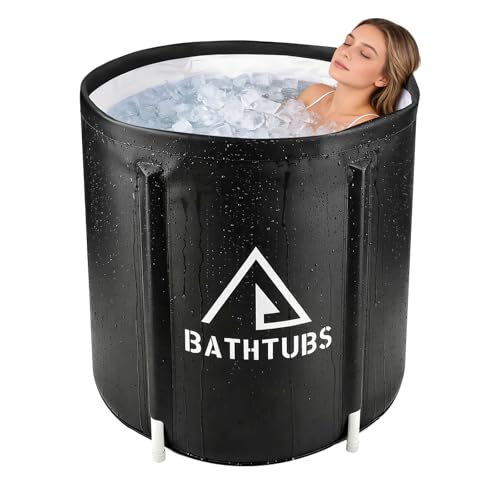
The surging popularity of deliberate cold-water immersion has led many fitness enthusiasts to seek ice bath therapy in their backyards. Rather than compromising an expensive acrylic hydrotherapy hot tub, investing in a dedicated portable plunge tub provides a vastly superior recovery experience. Purpose-built collapsible tubs, such as multi-layer insulated models from Onebook or STARBRILLIANT, are engineered specifically to handle freezing temperatures and direct ice contact. These tubs feature rugged PVC coatings, high-density insulation, and reinforced support pillars that maintain structural stability without mechanical plumbing complications.
Dedicated portable plunge tubs also solve the logistical headache of drainage and post-soak sanitation. Because portable soak tubs operate without complex internal jet manifolds or electric heating elements, you can add 50 to 100 pounds of ice without worrying about tripping a GFCI breaker or burning out a circulation pump. After completing your cold immersion session, convenient bottom and side drain ports allow you to route cold water directly into a shower drain or garden bed. This keeps your primary hydrotherapy spa dedicated to soothing heat and targeted jet massage while your portable tub handles athletic ice baths.
Safe and Practical Techniques to Cool Your Hot Tub Water
If your goal is simply to enjoy a refreshing, cooler soak during oppressive summer heatwaves, you can lower your water temperature without adding a single ice cube. Start by adjusting your topside control panel down to its lowest programmable temperature setting, which is typically 80 degrees Fahrenheit. Many advanced spa packs include an economy or sleep mode that prevents the electric heater from engaging unless the water drops below a minimal baseline. Turning off continuous circulation cycles during the hottest afternoon hours also prevents motor friction from transferring excess heat into the water.
Another effective cooling technique involves running your aeration and hydrotherapy jet pumps during cooler late-evening or early-morning hours. Introducing cool night air through the venture air controls encourages rapid evaporative cooling across the agitated water surface. You can also utilize lightweight, breathable, or affordable foldable hot tub covers to shield the water from direct solar radiation during peak daylight hours while allowing excess heat to vent during breezy nights. Prop the cover open slightly with a clean spa sponge or cover prop when ambient air temperatures drop lower than the water temperature to facilitate natural ventilation.
Keeping Ice Contained for Refreshing Hot Tub Beverages
While dumping ice directly into spa water causes mechanical and chemical havoc, keeping ice contained for drinks enhances your soaking relaxation. Utilizing purpose-built accessories allows bathers to enjoy chilled refreshments without contaminating the water or risking broken glass. Floating inflatable caddies, like those produced by OUKEYI, provide buoyant, multi-compartment storage for canned beverages, tumblers, and snacks. These floats keep ice completely isolated inside insulated cavities, ensuring that melting ice water never mixes with your sanitized spa water.
For hard-sided acrylic spas, rigid exterior drink holders and ice buckets offer an even sturdier solution for outdoor entertaining. Accessories like the Spatender side-mounted tray attach directly to the exterior cabinet wall, providing a dedicated ABS bucket for chilling bottles alongside flat surfaces for tablets and glassware. Because the ice bucket remains entirely outside the water perimeter, guests can replenish cold drinks without introducing foreign particles into the filter well. Furthermore, side-mounted trays easily lift off when you are ready to latch down your thermal cover for the night, maintaining full cabinet functionality.
The Critical Role of Covers and Thermal Management
Thermal covers are universally recognized for trapping heat during freezing winter months, but their insulating properties are equally valuable for warm-weather temperature management. A high-density tapered foam core acts as a two-way thermal barrier, shielding your water from intense midday solar gain while preventing rapid evaporation. Pairing your spa with protective hot tub covers with warranty protection guarantees that the internal marine-grade vinyl vapor barrier remains sealed against moisture absorption. A waterlogged cover loses its insulating R-value and becomes a physical hazard to lift, defeating its protective purpose.
In summer climates, closing and latching your insulated cover during the sunniest hours of the day blocks radiant ultraviolet heat from baking the spa water. Once the sun sets and ambient evening temperatures drop below 75 degrees, folding back the cover allows excess thermal energy to radiate out into the open sky. Incorporating a hydraulic cover lifter makes this daily temperature regulation effortless, eliminating the physical strain of wrestling heavy vinyl folds off the shell. By managing your cover strategically, you can maintain a comfortable soaking temperature throughout the hottest summer weeks without touching a bag of ice.
Practical Takeaways for Long-Term Equipment Health
Protecting your spa equipment requires respecting the engineering boundaries of modern hydrotherapy systems. Acrylic shells, automated topside controls, and high-wattage electric heaters are designed to produce and sustain comforting warmth rather than rapid chilling. Pouring loose ice into your hot tub risks shell thermal shock, strains circulating pump components, confuses digital thermostats, and wrecks carefully balanced water chemistry. Using purpose-built portable tubs for cold plunging and dedicated side caddies for chilled drinks provides the best of both worlds.
When high summer ambient temperatures make regular hot soaks less appealing, rely on sensible management practices like lowering thermostat setpoints, night-time aeration, and smart cover usage. These passive cooling strategies preserve your water quality, maintain consistent sanitizer residuals, and safeguard internal plumbing manifolds against unnecessary stress. By keeping loose ice out of your spa water, you ensure that your hot tub remains clean, energy-efficient, and ready for relaxing soaks all year long.








Write Your Review
No reviews yet. Be the first to share your experience!