

Cloudy water and persistent foam can ruin a relaxing soak, leaving you frustrated with your buy spa hot tub maintenance routine. Many homeowners struggle to keep their water clear without constantly adjusting chemical levels or dealing with clogged filters. This often leads to wasted time and unnecessary expense on products that do not solve the core issue. You need reliable supplies that work with your specific sanitizing system to ensure a safe and enjoyable experience.
Based on careful analysis of product specifications and user feedback, we have selected seven essential items to help you manage your spa effectively. These options cover shock treatments, filtration, and foam control, addressing common pain points like odor and cloudiness. Whether you use chlorine, bromine, or saltwater, these products are designed to maintain water clarity and balance. Investing in the right accessories can extend the life of your equipment and improve your overall wellness routine.


Pros
- Fast-dissolving sodium dichlor formula leaves minimal residue in heated spa water
- Specifically formulated for spa water temperatures and chlorine sanitizing systems
- Five-pound container provides a practical supply for ongoing routine water care
- EPA-approved formulation effectively targets algae growth and organic bather waste
Cons
- Designed strictly for chlorine-based setups and not compatible with non-chlorine or biguanide systems
- Continuous use gradually builds cyanuric acid in hot tub water, requiring standard periodic drain-and-refill cycles
- Requires careful dosing and routine water testing to avoid over-chlorination or chemical vapor buildup
Leisure Time Spa 56 Chlorinating Granules provide a dedicated sanitizing solution designed specifically for residential hot tubs and spas operating on chlorine water-care systems. Unlike standard swimming pool chemicals that may dissolve too slowly or alter chemistry unpredictably in small bodies of heated water, this formula is tailored for the high temperatures and rapid agitation of hot tubs. It suits first-time spa owners, vacation rental hosts, and established hot tub users seeking an EPA-approved sanitizer that maintains clean, clear water without complicated dosing steps.
Daily hot tub maintenance requires dependable control over organic waste introduced by bathers, including perspiration, body oils, and environmental residues. Spa 56 addresses these contaminants using fast-dissolving granules that disperse quickly across the water when circulation jets run. Rapid solubility is a significant advantage in acrylic spas because it minimizes the risk of undissolved chemical particles settling on the bottom shell or bleaching headrests and plastic fittings, helping to protect internal spa surfaces while re-establishing necessary sanitizer residual levels.
The active chemical agent in this formula is Sodium Dichloro-s-Triazinetrione Dihydrate, widely known as sodium dichlor. This stabilized chlorine compound resists degradation from heat and sunlight while providing active sanitizing power to clear cloudy water and inhibit algae growth. Packaged in a sturdy 5-pound bottle with exterior dimensions of 4.75 by 4.75 by 11.5 inches, this size offers an economical supply that minimizes frequent reordering for owners who use their spa regularly throughout the year.
Proper application habits are essential not only for water safety but also for the longevity of your hot tub cover and accessories. Whenever introducing chlorinating granules to the spa, the hot tub cover should remain fully off or folded back with circulation jets active for at least fifteen to twenty minutes. Allowing chemical vapors to off-gas freely prevents corrosive chloramine fumes from becoming trapped underneath the cover, which helps protect the underside vinyl, vapor barrier seals, and foam core from premature degradation.
While sodium dichlor provides reliable sanitizing performance, realistic chemical considerations come with its routine use. Dichlor naturally introduces cyanuric acid (CYA) as a stabilizing agent, meaning CYA levels will gradually rise over months of repeated dosing. Once stabilizer concentrations become elevated, chlorine efficiency drops, making periodic water drain-and-refill intervals necessary every three to four months. In addition, this product must never be mixed directly with alternative sanitizers such as bromine or biguanide systems.
Leisure Time Spa 56 is a reliable, practical choice for any hot tub owner maintaining a chlorine-sanitized spa environment. Before adding this product to your maintenance regimen, verify that your hot tub relies on a chlorine sanitizing routine, and keep a dependable test strip kit on hand to monitor free available chlorine, pH, and total alkalinity levels before dosing.
Consistent water sanitation with Leisure Time Spa 56 plays a key role in protecting the structural integrity of your hot tub accessories and cover. Unbalanced water or neglected sanitizing schedules can lead to organic buildup, scum lines, and mildew along cover skirts and headrests, while excessive chemical buildup can accelerate wear on acrylic surfaces and filtration media.
To ensure optimal water quality while safeguarding your spa components, always test water balance before adding granules and allow the tub to circulate with the cover open during initial dosing. Storing the 5-pound container in a cool, dry area away from direct sunlight will preserve granular potency and maintain reliable performance throughout the lifespan of the bottle.


Pros
- Compatible with all sanitizer types, removing the guesswork about whether it will work with your existing water-care system
- Fast-acting formula targets surface foam on contact, which can restore a pleasant soaking experience in minutes rather than hours
- Small, lightweight bottle is convenient to keep near the spa for immediate use whenever foam appears
- Straightforward application makes it accessible for first-time spa owners who may not yet be comfortable with complex chemical treatments
Cons
- Anti-foam products treat the symptom rather than the root cause - persistent foaming may indicate the need for a water change, filter cleaning, or adjusted bather habits
- A single 1-pint bottle may not last long for owners who use their hot tub frequently or have recurring foam issues from high bather loads
- The product listing does not specify exact dosing instructions per gallon of spa water, so buyers should check the bottle label carefully before applying
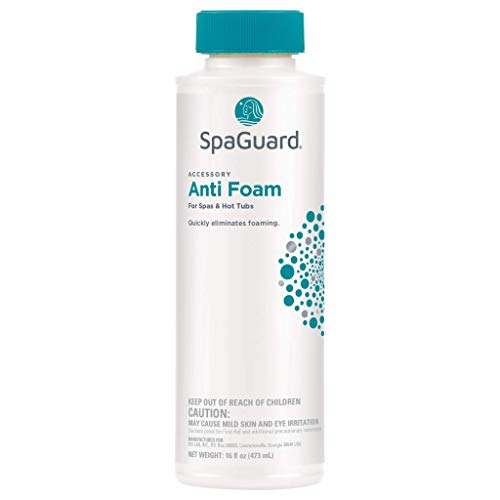
SpaGuard Spa Anti-Foam is a dedicated foam-elimination treatment sold in a 1-pint bottle and designed for use in all spas and hot tubs. It's best suited for hot tub owners who occasionally or regularly encounter surface foam - a common nuisance caused by residual detergents from swimwear, body lotions, cosmetics, deodorants, and other personal-care products that dissolve into warm, agitated water. Rather than requiring a full drain-and-refill, this product offers a fast, targeted way to clear foam and get back to enjoying a clean-looking soak.
The product is listed as compatible with all sanitizer types, which is a meaningful practical advantage. Whether a spa runs on chlorine, bromine, a saltwater chlorine generator, or a mineral-based system, SpaGuard Anti-Foam should integrate without conflicting with the existing water-care chemistry. This broad compatibility makes it a convenient shelf staple for households that may switch sanitizer methods over time, or for vacation-rental operators and property managers maintaining multiple spas with different setups.
From a day-to-day ownership standpoint, foam tends to appear most often after parties, after new bathers who haven't showered first, or when swimsuits have been washed with standard laundry detergent. A quick dose of anti-foam can restore the water's appearance without disrupting a planned soak. The compact bottle dimensions - roughly 7.6 x 2.3 x 2.3 inches and about 1 pound - mean it tucks easily into a spa-side storage bin, a maintenance caddy, or even a small outdoor cabinet. Older users or anyone who prefers minimal fuss with their water care will appreciate that there's no mixing or special equipment involved.
It's worth noting that anti-foam treatments address the visible symptom of foaming but don't resolve the underlying water-quality issue. If foam keeps returning quickly after treatment, that's typically a signal that total dissolved solids (TDS) are high, the water is overdue for a drain and refill, or the filter needs cleaning or replacement. Relying solely on anti-foam without investigating root causes can mask water-balance problems. Many experienced spa owners use anti-foam as a bridge solution - clearing foam for an evening soak while planning a water change for the weekend, for example.
For hot tub owners in any climate - whether dealing with heavy use in warm weather or maintaining a spa through cold-weather soaking season - foam can appear year-round. High-UV environments don't specifically cause foam, but increased sunscreen use among bathers certainly contributes. Families with kids who jump in without rinsing off, couples hosting friends, and rental operators with frequent guest turnover are all likely to encounter foam regularly enough to justify keeping a bottle on hand.
SpaGuard Spa Anti-Foam is a practical, low-cost maintenance product for any hot tub owner who wants a quick fix for surface foam. It's especially useful for first-time spa owners still learning water-care basics, busy families who want their spa ready on short notice, and property managers who need to keep rental spas looking inviting between guests. Before purchasing, consider how frequently foam appears in your spa - occasional users may find a single pint lasts a full season, while heavy-use spas may go through it faster. Pairing anti-foam with good bather habits like pre-soak rinsing and washing swimwear without detergent can reduce the need for repeated treatments.
SpaGuard Spa Anti-Foam is a reactive maintenance product rather than a preventive one. It works best as part of a broader water-care routine that includes regular filter cleaning or replacement, balanced sanitizer levels, and periodic water changes. When foam appears, a small dose applied directly to the water surface should begin dispersing foam quickly according to the product description.
To minimize how often anti-foam is needed, many spa owners encourage bathers to shower before entering the spa and avoid laundering swimwear with standard detergent - fabric softener and detergent residue are among the most common foam triggers. Keeping the spa filter clean also helps, since a clogged or degraded filter allows more contaminants to circulate. If foam persists even after treatment, testing total dissolved solids and considering a fresh water fill is a practical next step.
Store the bottle in a cool, dry location away from direct sunlight, consistent with standard chemical storage practices. The compact size makes it easy to keep alongside other water-care products without cluttering your storage area. Always check the product label for specific dosing guidance based on your spa's water volume before applying.
Frequently Asked Questions
How often should I shock my spa?
Shock your spa every two to four weeks. This helps remove organic contaminants and restore water clarity. Regular shocking prevents buildup that standard sanitizers might miss.
Do I need special filters for inflatable spas?
Yes, inflatable spas use specific cartridge types. The Macaberry Type VI filters fit many popular models. Ensure you match the size and type to your pump for proper filtration.
What causes foam in my hot tub?
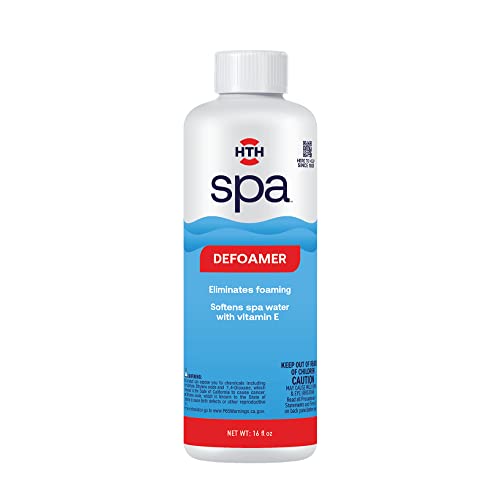
Foam usually results from body oils or detergents. Using a defoamer like HTH Spa 86116 can quickly eliminate surface foam. It works with most sanitizing systems to keep water clear.
Can I use these products with saltwater systems?
Many of these products are compatible with saltwater systems. SpaGuard Enhanced Shock works with ozone and ionization systems too. Always check the label for specific compatibility notes before use.
How do I clean pleated spa filters?
Rinse filters with a garden hose. The AmiBron filters use trilobal fabric for easy cleaning. Regular rinsing extends the life of the filter and maintains optimal water flow.


Write Your Review
No reviews yet. Be the first to share your experience!