
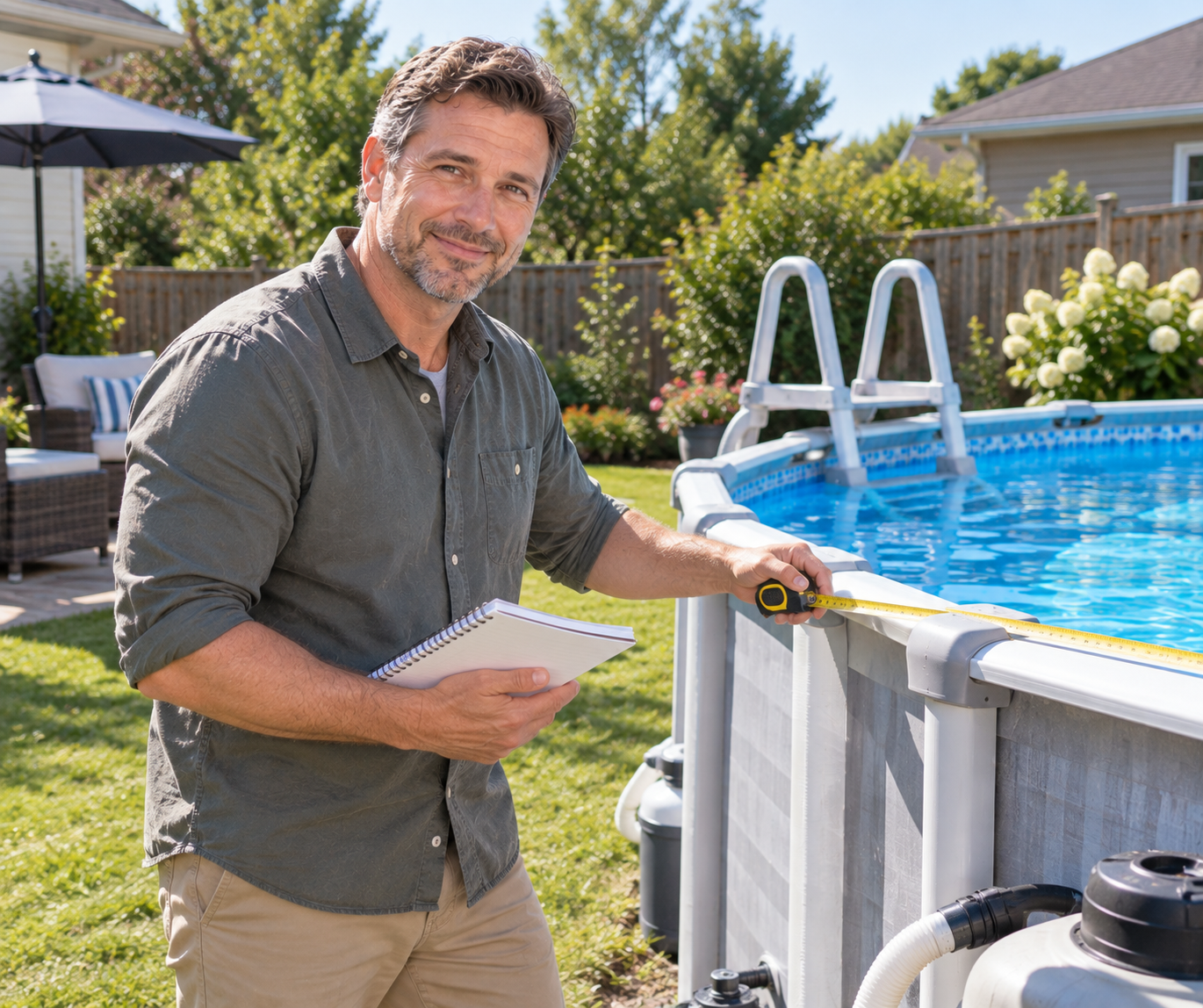

Vinyl pool liners require gentle handling because abrasive brushes or harsh wheels can stretch, scuff, or tear fragile seams over time. Fine silt, windblown sand, and stubborn algae film settle into floor crevices, forcing pool owners into tedious manual vacuuming sessions every weekend. Modern automated vacuums resolve this issue by pairing non-marring rubber tracks with gentle suction inlets designed specifically to protect flexible pool membranes. Selecting the best robotic vinyl pool cleaner requires balancing gentle liner-safe scrubbing with sufficient suction to collect fallen leaves and fine dirt without snagging on bottom main drains. Based on our detailed comparison of filtration ratings, motor types, and user feedback, robotic units operate completely independent of your primary skimmer pump.
Eliminating bulky hoses prevents surface friction and accidental vinyl punctures along shallow walls and bottom slopes. Smart navigation routines allow these cleaners to climb walls and scrub waterline scum while following efficient path patterns that conserve electricity. Just as homeowners seek reliable outdoor options with the best hot tub brands for backyard leisure, robotic pool maintenance preserves your pool surface without demanding endless physical effort. Upgrading to an automated cleaner safeguards your vinyl liner and keeps your water swim-ready all season long.


Frequently Asked Questions
Will a robotic cleaner damage or tear a vinyl pool liner?
No, dedicated robotic vinyl cleaners utilize soft rubber tracks and non-abrasive PVC scrubbing brushes engineered to glide across delicate liners. These cleaners distribute weight evenly to eliminate high-friction spots and avoid catching on welded seams. Suction vacuums with hard skirts can snag on liner wrinkles, but robotic units roll smoothly over floor transitions without causing tears or surface scuffs.
Do robotic pool cleaners climb vinyl walls to scrub the waterline?
Yes, models equipped with continuous drive tracks and high-suction motors scale slick vinyl walls and scrub waterline scum lines. Upgraded triple-motor or dual-motor systems generate reliable adhesion against vertical surfaces without slipping down. Certain entry-level robots focus only on flat floors, so verify wall-climbing specifications if total coverage is necessary for your swimming pool.
How do cordless robotic pool cleaners navigate main drain covers?
Continuous rubber tracks and raised obstacle-crossing clearance keep robotic cleaners from bottoming out on raised main drain covers. Strong drive motors provide sufficient torque to crawl over steep slopes, floor seams, and drain grates up to 40 degrees. Built-in gyroscopes detect resistance and reverse the cleaner’s path, preventing battery drain from getting stuck in one spot.
What filter type works best for capturing fine silt in vinyl pools?
A dual-filtration system featuring an ultra-fine mesh basket traps both large leaves and microscopic silt or sand particles. Mesh baskets rated between 150 and 180 microns catch coarse debris, while fine filters stop sediment from returning to the water. Top-loading canisters rinse clean with a garden hose, simplifying maintenance much like caring for a winter-ready outdoor hot tub during colder months.
Are robotic pool cleaners safe to use in saltwater vinyl pools?
Yes, robotic pool cleaners operate safely in saltwater pools when water chemistry remains balanced within manufacturer guidelines. Corrosion-resistant polymer housings and sealed brushless motors withstand regular salt and chemical exposure without degrading. Rinsing the unit with fresh water after each cycle prevents mineral buildup on drive tracks and filter baskets, extending the operating life of the machine.




Write Your Review
No reviews yet. Be the first to share your experience!