


Fine grit settling along pool floor seams and sloped corners creates an abrasive layer that dulls plaster and resists weak suction vacuums. Standard mesh nets and basic skimmer baskets simply allow microscopic dirt particles to blow straight back into the water column. Selecting the best robotic pool cleaner for sand stops this cycle by utilizing high-density filter media designed to capture sediment before it clouds your water. Modern automated units combine powerful suction motors with active scrubbing brushes to dislodge heavy buildup without wearing down vinyl liners or scuffing delicate fiberglass shells. Homeowners managing outdoor relaxation areas, like an adjoining patio or a therapy hot tub for muscle relief, appreciate equipment that handles heavy sediment loads without constant supervision.
Cordless battery designs and intelligent path navigation have eliminated the hassle of knotted floating cables and bulky suction hoses hooked to your skimmer. Based on our detailed comparison of filtration ratings, motor types, and user feedback, top models now deliver ultra-fine filtration down to microscopic levels while navigating floor transitions with ease. Investing in a dedicated cordless robotic pool vacuum reduces the strain on your primary pump and sand filter, cutting down on backwashing routines. You get more time to enjoy clean, crystal-clear water and spend far less effort pushing an aluminum pole across the deep end.


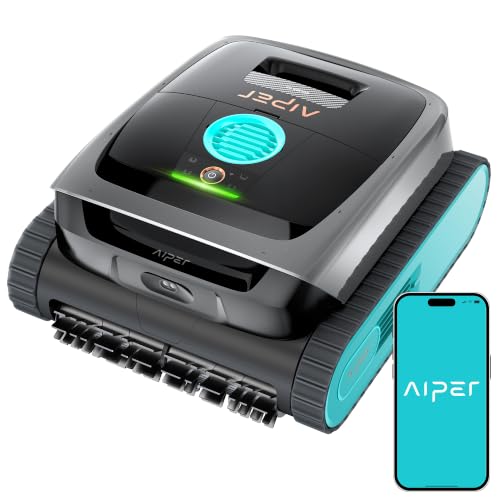


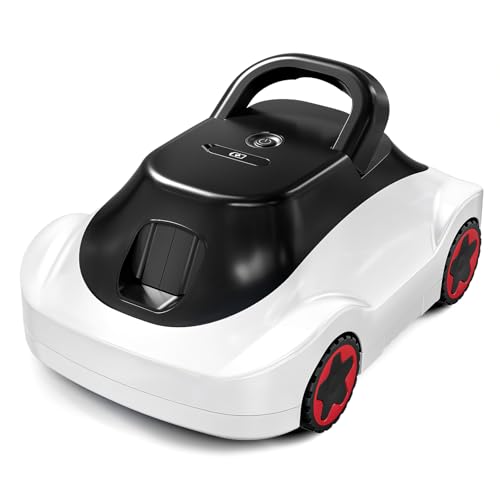

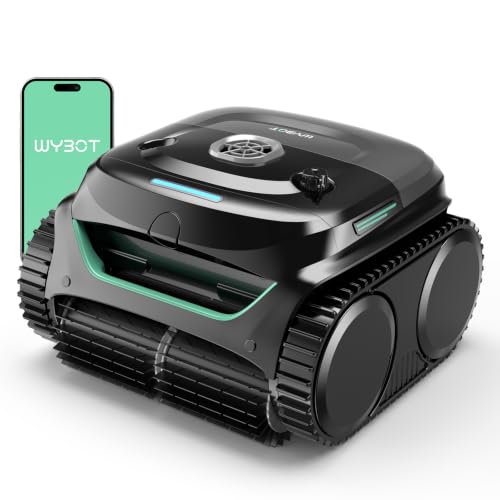

Frequently Asked Questions About Sand Removal
Can a standard mesh filter basket capture fine beach sand and desert silt?
No, standard mesh baskets usually have openings around 150 to 180 microns, which allow fine beach sand and micro-silt to escape back into the pool. Models equipped with dual-stage filtration or secondary 3-micron to 10-micron ultra-fine inserts trap microscopic sediment before it recirculates. Using an ultra-fine filter cartridge keeps the water polished and prevents that hazy dust cloud on the bottom.
Will a robotic pool cleaner get stuck on bottom main drain covers?
Modern robotic cleaners utilize raised chassis clearance, continuous caterpillar tracks, and intelligent obstacle detection algorithms to climb over high-profile main drains. Units with dual drive motors and bottom roller brushes maintain constant traction even when transitioning across domed anti-vortex drain lids. If a robot hesitates, activating wall-climb or floor-priority navigation profiles generally directs the unit away from raised suction grates.
How does fine sand affect the brushes and drive tracks of a pool robot?
Heavy sand deposits create abrasive wear on drive gears and roller axles if the unit is not rinsed thoroughly after each cycle. High-grade models use sealed brushless motors and durable PVC roller brushes that resist grit intrusion during operation. Just as maintaining clean water is vital when preparing a hot tub for winter use, hosing down your cleaner tracks after vacuuming sand prevents premature friction wear.
Are cordless battery-powered pool vacuums strong enough to pick up wet sand?
Yes, current cordless robotic cleaners produce suction rates reaching 3,200 to 5,500 GPH, providing ample lift to pull heavy wet sand from floor contours. Upgraded multi-motor drivetrains channel water directly through tight intake ports to maximize suction velocity on flat and sloped surfaces. These high-capacity lithium battery units operate continuously for 120 to 190 minutes on a single charge without losing vacuum power.
Can you safely run the Best Robotic Pool Cleaner For Sand on vinyl liner pools?
Yes, top-rated robotic pool cleaners feature soft composite tracks and non-marring PVC rolling brushes that clean vinyl liners without scratching or stretching the material. The absence of aggressive rubber wheel lugs prevents friction scuffs along shallow-end slopes and welded liner seams. Selecting a lightweight unit with smooth corner navigation ensures safe, hands-free debris pickup across vinyl, fiberglass, and gunite finishes.
How often should you empty the filter basket when cleaning heavy sand?
You should empty the debris basket immediately after every single cleaning cycle, especially during windy seasons or after heavy sand storms. Wet sand adds noticeable weight and can restrict internal water flow if allowed to compact inside the filter chamber. A quick rinse with a standard garden hose restores full suction efficiency and prepares the robot for its next deployment.



Write Your Review
No reviews yet. Be the first to share your experience!