


Slippery green films and stubborn organic patches clinging to your pool floor turn weekend relaxation into hours of back-breaking manual scrubbing. Brushing by hand dislodges growth temporarily, but microscopic particles quickly resettle and cloud the water without relentless scrubbing and fine-mesh circulation. Keeping swimming pools and patio spas sanitized requires diligent water care, similar to how owners protect water quality in the best jacuzzi hot tub setup. Investing in the best robotic pool cleaner for algae provides the motorized scrubbing power and suction necessary to lift stubborn films before they bloom out of control.
Modern pool robots feature high-speed active scrubbing rollers that break up slippery biofilm across plaster, pebble, and vinyl surfaces without tearing delicate liners. Top-loading filter baskets capture dead algae and fine silt, preventing these tiny particles from overloading your main skimmer basket and pump impeller. Analyzing motor configurations, battery runtimes, and filtration ratings helps identify dependable machines that run hands-free cycles all season long. You get more time swimming in crystal-clear water and spend far fewer afternoons tethered to a manual vacuum pole.


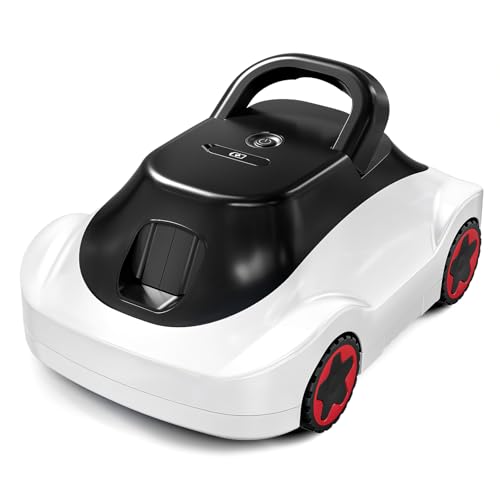

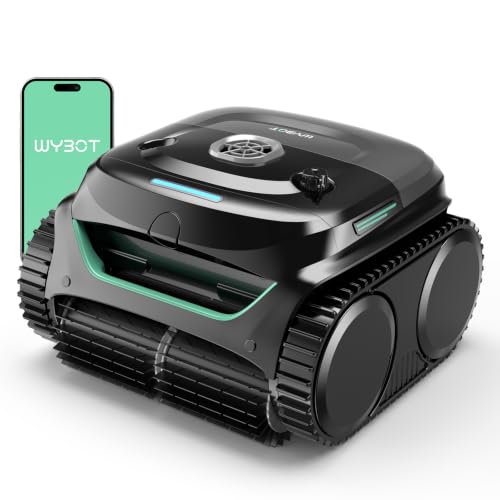
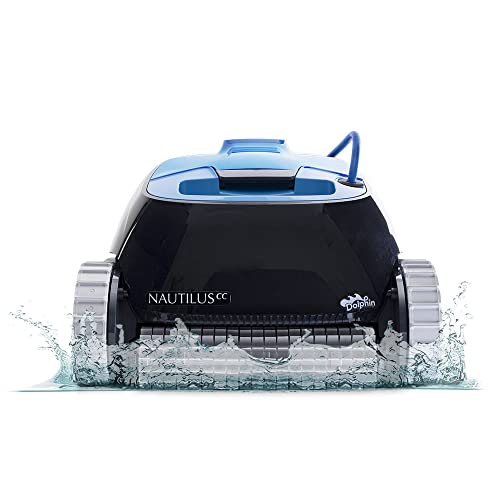

Frequently Asked Questions About Pool Cleaners
Can a robotic pool vacuum completely remove live algae blooms?
No, a robotic pool vacuum cannot chemically kill live green algae on its own. While the best robotic pool cleaner for algae utilizes motorized roller brushes to loosen stubborn film from floors and walls, you must shock the water and balance sanitizers first. The cleaner then vacuums up the dead organic particles, trapping them in its ultra-fine filter basket so your main pool filter stays unclogged.
What filter micron rating is necessary to capture dead algae particles?
A filtration mesh rated around 100 to 180 microns or an ultra-fine pleated cartridge is recommended for collecting dead organic matter. Standard coarse leaf baskets allow fine algae dust to blow straight back into the pool water. Choosing dual-layer filtration or ultra-fine pleated filters ensures fine debris stays locked inside the canister during every cleaning cycle.
Does wall climbing help prevent waterline scum and algae buildup?
Yes, wall-climbing robotic cleaners actively scrub the waterline where oily residues and sunlight encourage organic growth. High-grip tracks and strong suction allow the cleaner to scale vertical walls and reach tiles that normal floor vacuums miss. This continuous scrubbing removes sticky films before they harden into tough stains.
Are cordless robotic pool cleaners capable of handling deep in-ground pools?
Yes, modern cordless units with extended battery runtimes of 120 to 190 minutes can easily service in-ground pools up to 2,000 square feet. Lithium-ion battery models eliminate tangled floating cables and maneuver smoothly across floor slopes and bottom drains. They complete full cycles on a single charge and park near the edge for retrieval with a standard hook pole.
How should you store and winterize a pool cleaner when temperatures drop?
Always rinse the filter canister, drain all internal water, and store the unit indoors away from freezing temperatures. Freezing water inside the motor housing or battery cells can cause permanent internal damage. Just as seasonal owners prepare the best hot tub for winter use against sudden freezes, keeping your pool robot dry and protected during winter extends its operating life for 2026.



Write Your Review
No reviews yet. Be the first to share your experience!