
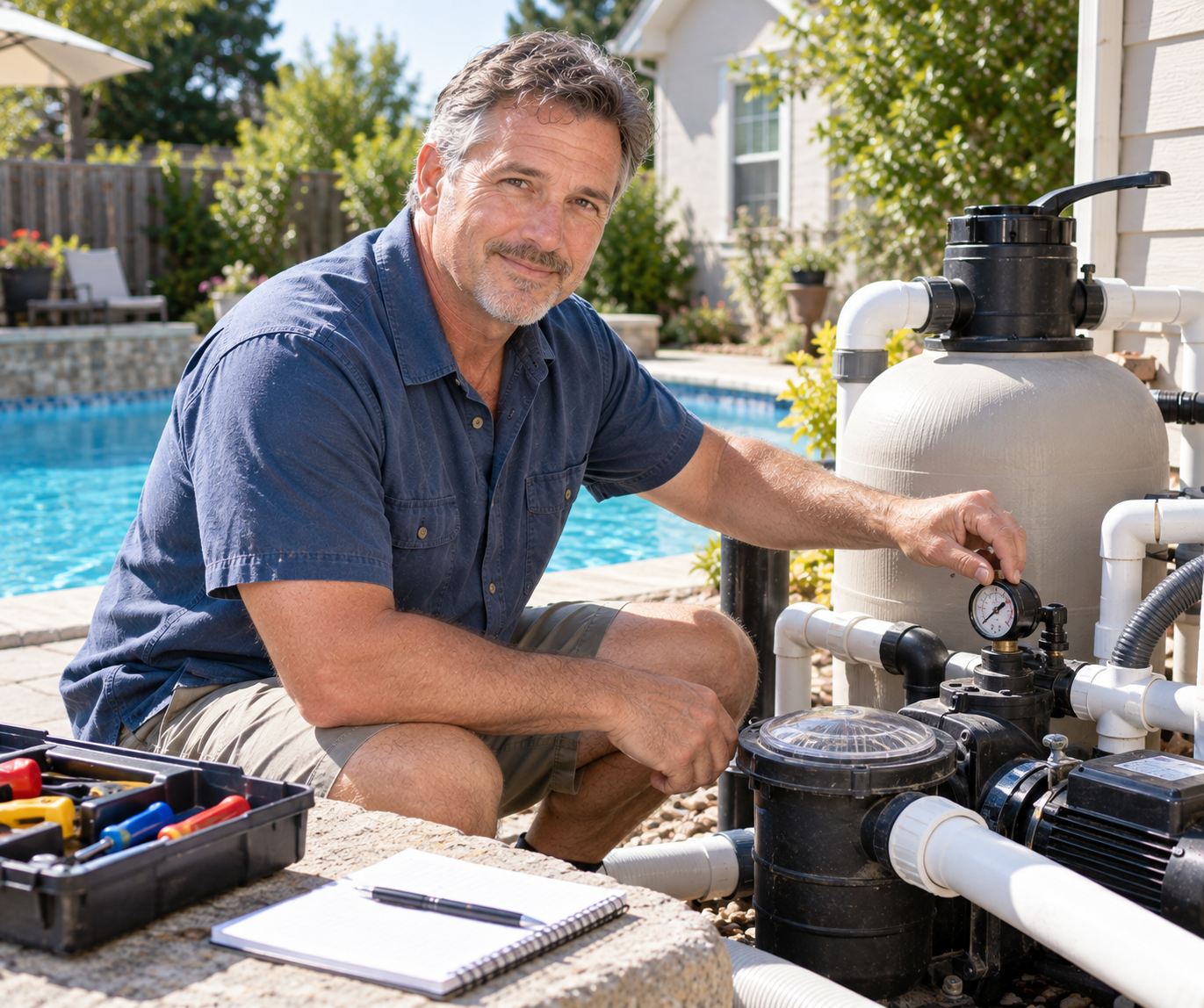

Slick gelcoat surfaces naturally resist algae growth, but that smooth finish makes climbing walls a real challenge for automated vacuums. Securing the best robot pool cleaner for fiberglass pools comes down to choosing equipment with high-traction tracks and strong suction that stay glued to vertical walls. Nobody wants to spend their sunny afternoons wrestling with awkward telescopic poles and soggy manual hoses. A capable robotic unit gathers fine silt, scrubs waterline scum, and keeps circulation active without loading down your primary skimmer basket.
Gentle active scrubbing rollers protect delicate fiberglass gelcoat from scuffs while lifting away stubborn waterline oils and grime. Based on our detailed comparison of filtration ratings, motor types, and user feedback, modern cordless cleaners deliver dependable coverage without messy cords tangling on the surface. If you also maintain a spa retreat, staying ahead of debris matters just like prepping the best hot tub for winter use before chilly weather hits. Running an automated cleaner with fine multi-layer filtration traps micro-dust effortlessly, keeping your swimming pool inviting and swim-ready all week long.


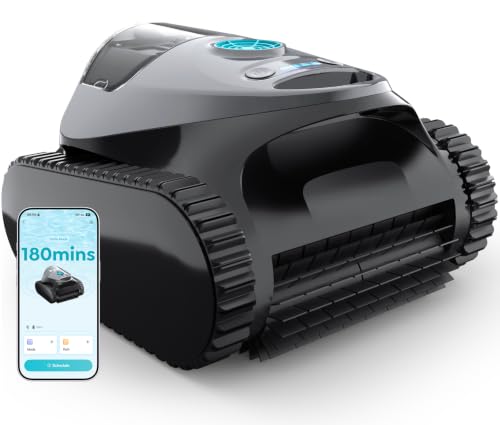


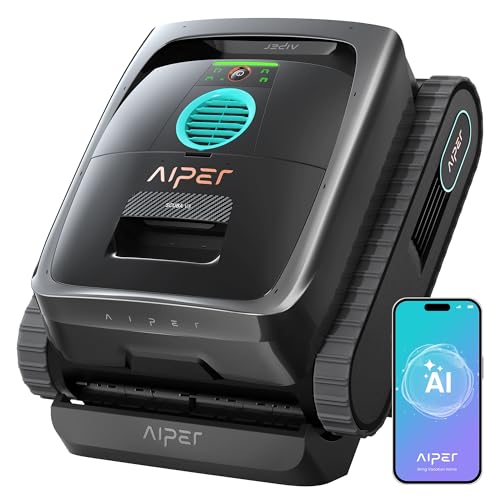

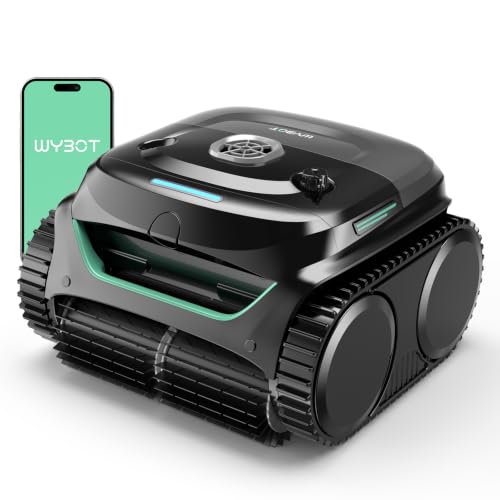
Frequently Asked Questions
Can robotic pool cleaners climb slick fiberglass pool walls effectively?
Yes, units with high-grip continuous tracks and strong suction climb slick fiberglass walls easily. Gelcoat surfaces offer less traction than plaster, causing simple wheeled vacuums to slip. Track-driven cleaners maintain constant grip to scrub all the way up to the waterline.
Will scrubbing brushes scratch the smooth gelcoat of a fiberglass pool?
No, soft PVC or PVA active brushes scrub clean without scratching fiberglass gelcoat. Manufacturers design these rollers to remove algae film safely without damaging protective coatings. Just avoid harsh wire bristles, as standard rubberized brushes are completely safe.
Do cordless robotic cleaners have enough battery runtime for deep pools in 2026?
Yes, modern lithium batteries provide 120 to 190 minutes of cleaning per charge. This provides plenty of time to sweep deep floors, slopes, and walls. Most cleaners also park by the pool wall when the cycle ends for quick retrieval.
How does fine silt filtration compare between mesh baskets and ultra-fine filters?
Ultra-fine filters trap microscopic dust and pollen, while standard mesh baskets catch leaves and larger debris. Because smooth fiberglass shows settled silt easily, dual-layer filtration keeps fine dirt from blowing back into the water.
Why do some robotic vacuums get stuck on fiberglass main drains?
Low chassis clearance can cause a cleaner to catch on raised drain covers. Robotic models with elevated rollers and wide tracks easily climb over drain edges. Setting directional floats also prevents cleaner hang-ups.
What makes the best robot pool cleaner for fiberglass pools worth buying over manual vacuuming?
An autonomous cleaner saves hours of weekly brushing while reducing strain on your pool pump. Debris stays in an onboard basket instead of clogging your filtration system. Routine automatic cleaning keeps water balanced, much like following care steps when researching what is the best jacuzzi hot tub for your patio.



Write Your Review
No reviews yet. Be the first to share your experience!