
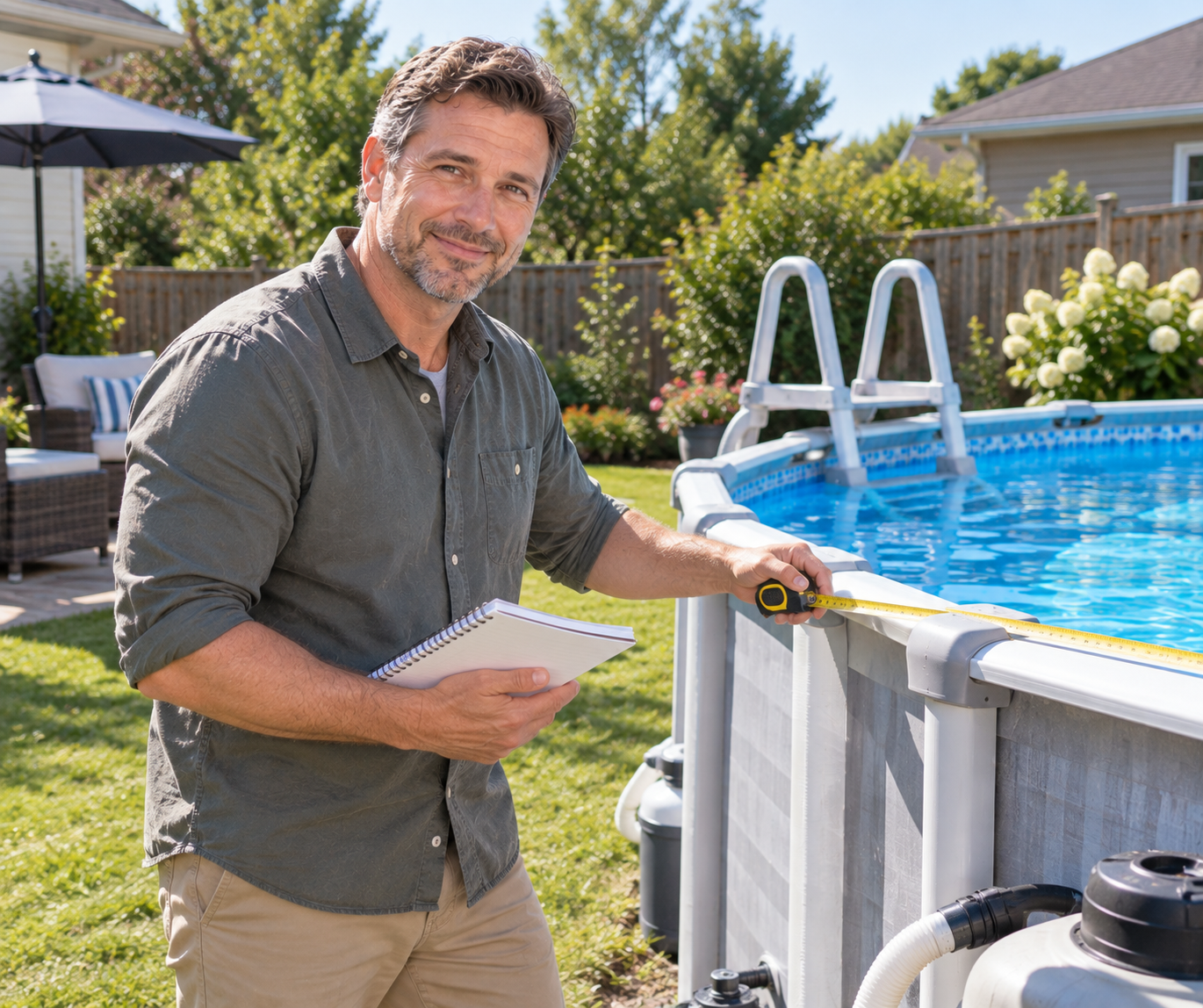

Sunscreen oils, pollen, and baked-on mineral grime love to cling to pool tiles, creating an ugly ring that ordinary skimming just won’t eliminate. Manual scrubbing often leaves your shoulders aching while barely scratching stubborn calcium crust. Picking the best pool waterline cleaner helps cut through oily scum layers and restores bright perimeter tile without dulling finishes. Our review of manufacturer chemical specifications, pump compatibility, and user feedback highlights that surface safety matters above all else. Much like maintaining clean water in a hot tub with massage jets, pool borders need solutions that loosen scum without upsetting water balance.
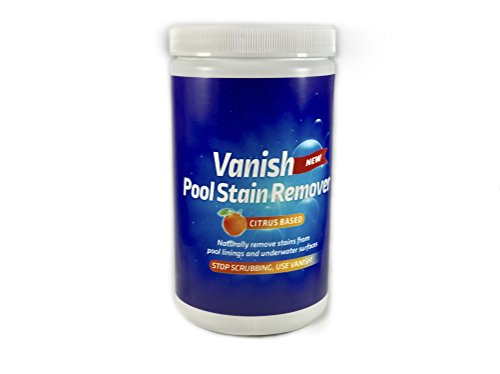
Different pool surfaces demand tailored cleaning agents because strong mineral acids that scour concrete grout can easily ruin vinyl liners or fiberglass gel coats. Citrus-based stain removers and concentrated enzyme formulas safely digest oils, whereas natural pumice stones scour hard water buildup off ceramic tile without releasing harsh chemicals. Some homeowners also turn to automated robotic vacuums equipped with dedicated waterline scrubbing cycles to keep walls polished hands-free. Investing in a reliable pool tile and vinyl cleaner protects your pool surfaces while dramatically reducing your weekend chore list.





Frequently Asked Questions
Can an automatic pool cleaner scrub the waterline effectively in 2026?
Yes, certain robotic pool cleaners feature specialized wall-climbing tracks and high-RPM motors designed specifically for waterline scrubbing. Units with dual drive motors and smart navigation climb vertical walls to scrub directly along the tile line before reversing. This continuous mechanical brushing removes fresh scum lines and floating debris, though hardened calcium crust may still require a manual spot treatment.
Are pumice stone cleaners safe for vinyl liners and fiberglass?
No, pumice stones should never be used on vinyl liners, fiberglass shells, or printed surfaces. Natural pumice is a porous mineral abrasive intended strictly for ceramic tiles, gunite, concrete, and unpainted pool plaster. Scrubbing vinyl or fiberglass with pumice will scratch or tear the surface. For vinyl and fiberglass, stick with citrus-based stain removers or alkaline scum sponges.
How do pool enzyme treatments prevent waterline scum buildup?
Pool enzyme treatments naturally digest non-living organic waste like sunscreen, body oils, and cosmetics before they adhere to perimeter walls. By breaking contaminants down at a molecular level, enzymes prevent sticky rings from binding with dust along the tile line. Regular doses support clear water, which is just as useful for swim spas and a dedicated therapy hot tub for sore muscles.
Will a best pool waterline cleaner formula alter the chemical balance of pool water?
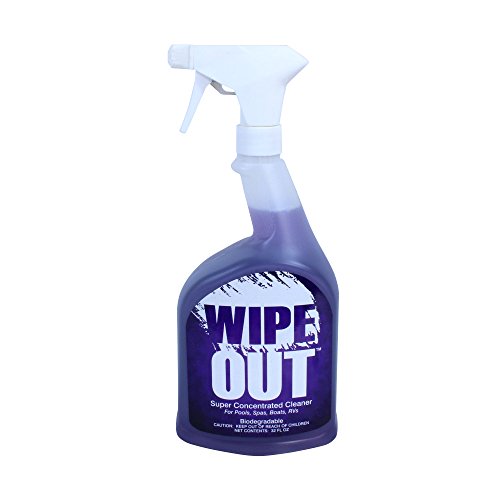
Most modern waterline cleaners feature neutral or mild alkaline bases that have minimal impact on your pool chemistry when applied as directed. Acid-free spray cleaners and enzyme solutions break down scum rings without causing rapid pH spikes or phosphate blooms. Always apply liquid cleaners onto a damp sponge or scouring mitt rather than pouring excessive amounts directly into the pool.
What is the best way to remove stubborn calcium deposits along pool tiles?
A natural pumice scouring block combined with an extra-strength tile cleaner offers the quickest physical removal of hard calcium scale on ceramic tiles. Floating pumice stones conform to tile edges, scraping mineral deposits away without requiring you to drain the pool. Always moisten both the stone and the tile before scrubbing to avoid etching the tile glaze.




Write Your Review
No reviews yet. Be the first to share your experience!