
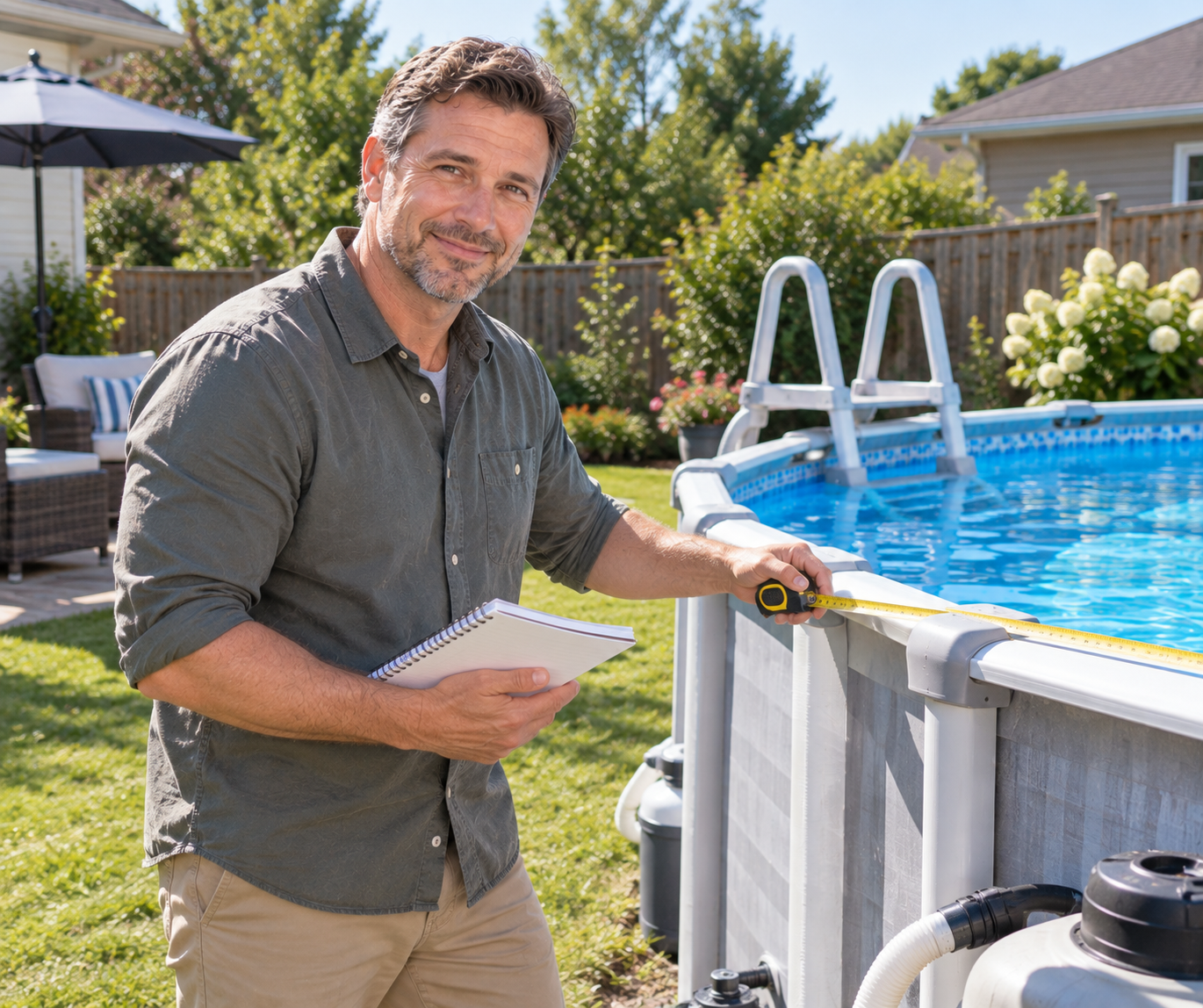

Fine sand, settling silt, and stubborn leaves can turn routine weekend pool maintenance into an exhausting chore. Dragging out manual vacuum hoses and telescopic poles under the hot sun quickly drains the joy of swimming pool ownership. Selecting the best pool sweep cleaner eliminates back-breaking brushing by automating daily floor and wall scrubbing. Based on analysis of pump flow requirements and user feedback, modern automatic pool sweeps provide dependable water circulation and hands-free debris pickup. Homeowners managing outdoor water amenities often weigh maintenance demands, much like prospective buyers ask should I buy an inflatable hot tub to balance leisure with routine care.
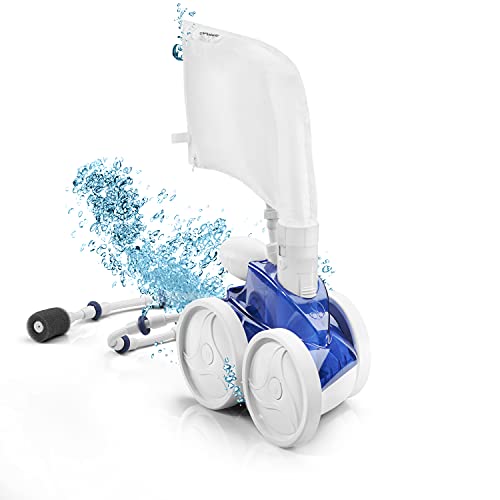
Pressure-side models like the Polaris Vac-Sweep line utilize dedicated return lines and booster pumps to power venturi jets, gathering debris into independent filter bags without choking your primary filter. Meanwhile, compact suction cleaners attach to existing skimmers, making them a practical choice for dirt removal with variable-speed pumps. Matching your pool surface and plumbing setup to the right sweeper ensures smooth navigation around main drains, steps, and deep-end transitions.




Frequently Asked Questions
Do pressure-side pool sweeps require a dedicated booster pump?
Yes, most heavy-duty pressure-side sweepers need a dedicated booster pump to generate sufficient water pressure for their venturi jets. Models like the Polaris Vac-Sweep 280 and 380 rely on this auxiliary pump to push water through a dedicated wall fitting. Without a booster pump, the sweep hose tail and vacuum throat cannot achieve the drive power or suction needed for heavy leaves. If your plumbing lacks a dedicated line, a suction-side cleaner is the simpler choice.
What is the main difference between suction-side and pressure-side pool cleaners?
Suction-side cleaners connect to your skimmer and deposit debris directly into your pool filtration system, whereas pressure-side sweepers collect waste in a self-contained filter bag. Suction models depend on primary pump flow to move across plaster or vinyl surfaces. Pressure cleaners reduce filter backwashing by trapping twigs and acorns before they reach your pump basket. Both options cut down chore time, leaving hours to unwind in the best therapy hot tub after maintenance.
Can a pool sweep cleaner safely clean vinyl liner pools?
Yes, automatic pool sweeps safely clean vinyl liner pools when equipped with non-marring wheels and smooth disc seals. Units featuring scuff-resistant hoses and wide deflector wheels prevent hang-ups along delicate vinyl seams. Regular inspection of tail sweep scrubbers ensures bare plastic never scratches the liner.
How do I prevent pool cleaner hoses from tangling and coiling?
Straightening coiled hoses in warm sunlight and verifying smooth swivel rotation prevent sweeper hose tangling. Laying new hose sections flat across a sunny deck allows the plastic to soften and release shipping memory. Proper float ball spacing and backup valve positioning further prevent tight coiling during cleaning cycles.
What pump size is required to run a suction-side automatic pool cleaner?
Most suction-side cleaners require a pool pump rating of at least 0.75 to 1 horsepower or a flow rate of 1,600 gallons per hour. Variable-speed pumps easily run these vacuums when calibrated to adequate flow rates. Insufficient flow reduces wall-climbing capability and slows obstacle navigation.




Write Your Review
No reviews yet. Be the first to share your experience!