
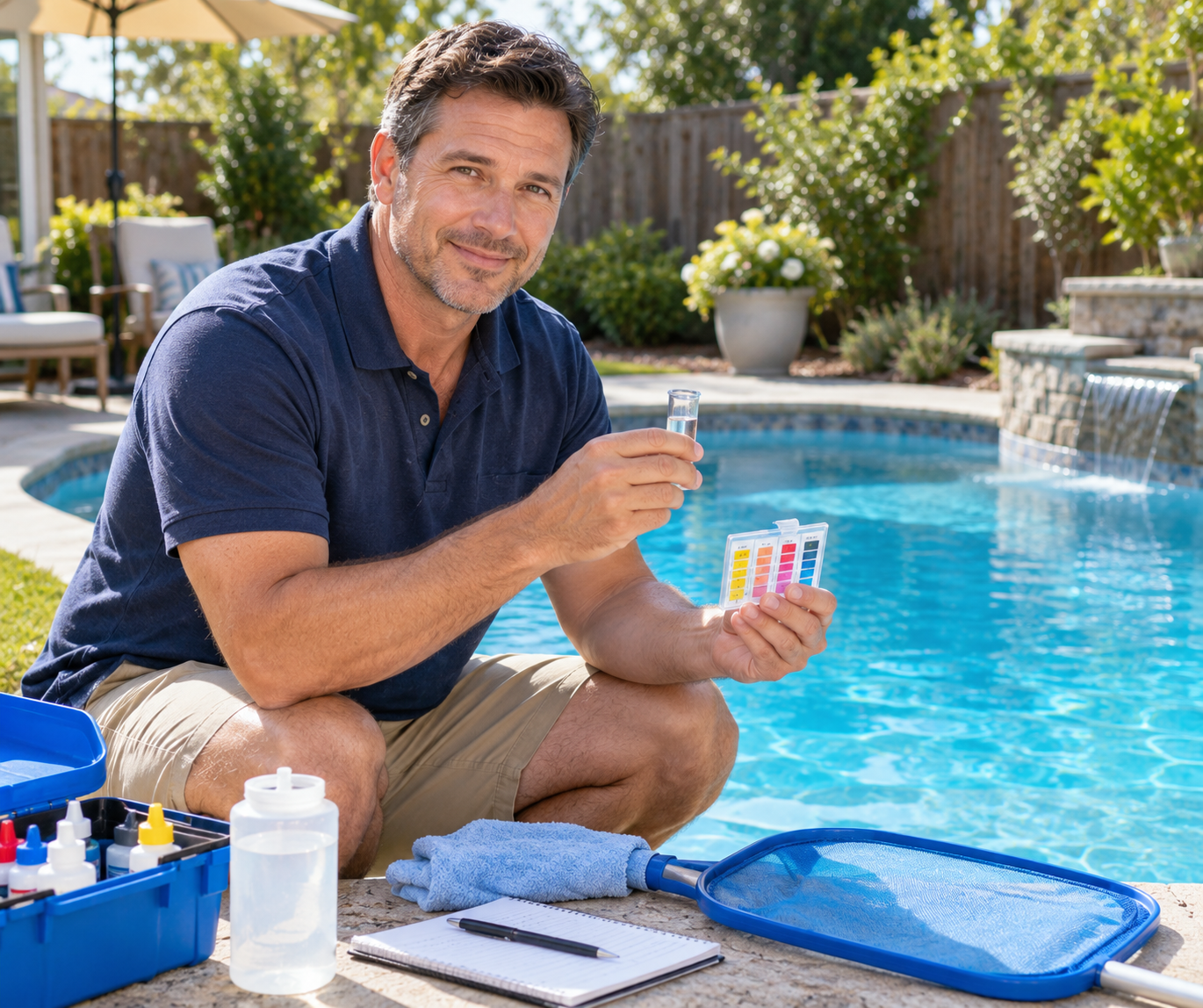

Fine sand settling across the deep end and stubborn grime clinging to the waterline turn regular pool maintenance into a frustrating routine. Dragging cumbersome suction hoses, unclogging overloaded skimmer baskets, and scrubbing plaster walls by hand consume hours of free time. Automatic pool robots solve these headaches by cleaning independently on self-contained electric drives.
Investing in the best pool robot vacuum cleaner delivers sparkling water without manual strain. Modern units combine high-flow internal suction with active scrubbing rollers to dislodge stubborn algae and trap fallen leaves directly inside top-access filter baskets. Because these machines run without straining your main filtration pump, they reduce wear on pool equipment and cut down on backwashing. Backyard leisure enthusiasts often value straightforward care for all outdoor water features, frequently consulting discussions on best hot tub brands reddit to keep relaxation spaces running effortlessly.





Frequently Asked Questions
Can the best pool robot vacuum cleaner climb walls and clean waterlines effectively?
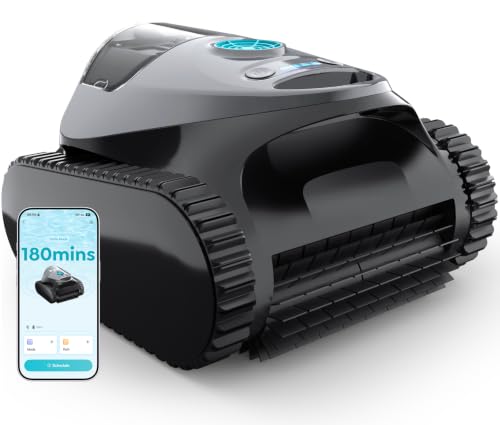
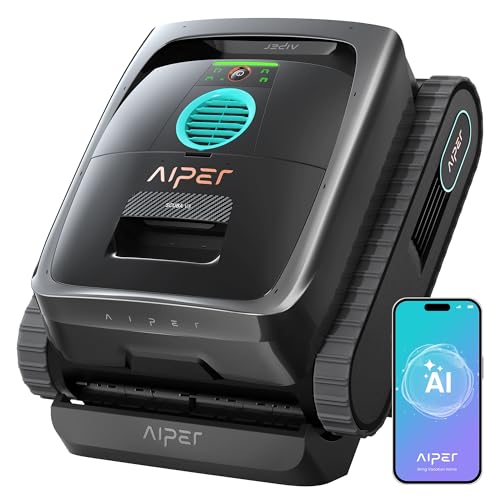
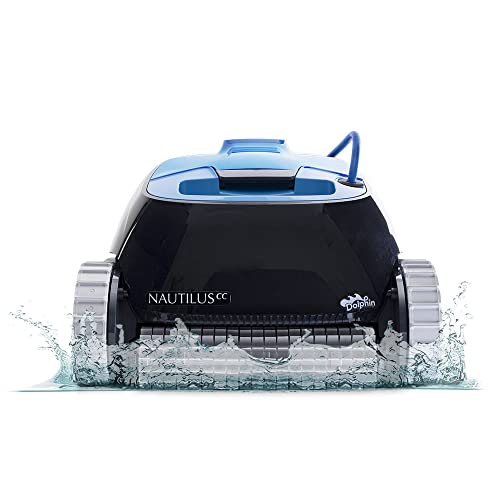
Yes, cleaners equipped with continuous tracks and multi-motor drives climb vertical walls and scrub tile lines reliably. Track-driven systems maintain steady traction on smooth vinyl liners, fiberglass, and plaster surfaces, creating strong vertical suction to scrub away oily scum. Units without wall-climbing capabilities focus strictly on floor debris.
How long does a cordless pool vacuum battery typically last on a single charge?
Most modern cordless pool vacuums run between 120 and 300 minutes on a full charge. High-capacity battery models, such as units with 7310mAh packs, offer up to 300 minutes of continuous floor coverage. Eco modes maximize runtime for light maintenance, while heavy wall scrubbing drains power faster.
Are robotic pool cleaners safe to use on vinyl liners and fiberglass surfaces?
Yes, robotic cleaners with soft rubber rollers and rubber tracks are completely safe for vinyl liners and fiberglass shells. Non-abrasive materials prevent scuffing, tearing, or gel-coat wear while loosening stuck dirt. Their low-profile obstacle navigation prevents the cleaner from catching on raised main drains or floor seams.
Will a robotic pool cleaner pick up fine silt and sand without clouding the water?
Yes, robots with multi-layer fine mesh or ultra-fine filtration baskets capture sand, silt, and dead algae effectively. High-efficiency internal canisters trap particles without blowing clouds of dust back into the pool. Rinsing the top-loading basket with a garden hose after each cycle keeps suction performance at its peak.
Can a pool robot vacuum cleaner be used in a hot tub or swim spa?
No, swimming pool robots are built for large pool basins and will not function properly in small hot tubs. Tight footwells and molded bucket seating trap larger pool cleaners, risking shell scuffs. Homeowners evaluating separate backyard leisure options often explore guides like should I buy an inflatable hot tub to manage smaller water volumes properly.
How should you store a pool vacuum during cold weather?
Store your pool cleaner indoors in a dry, climate-controlled space after draining all residual water. Freezing temperatures cause trapped moisture inside the motor block to expand, cracking internal seals and damaging sensitive navigation electronics. Just like winterizing outdoor hot tubs following advice for the best hot tub for winter use, shielding delicate pool gear prevents premature winter damage.


Write Your Review
No reviews yet. Be the first to share your experience!