
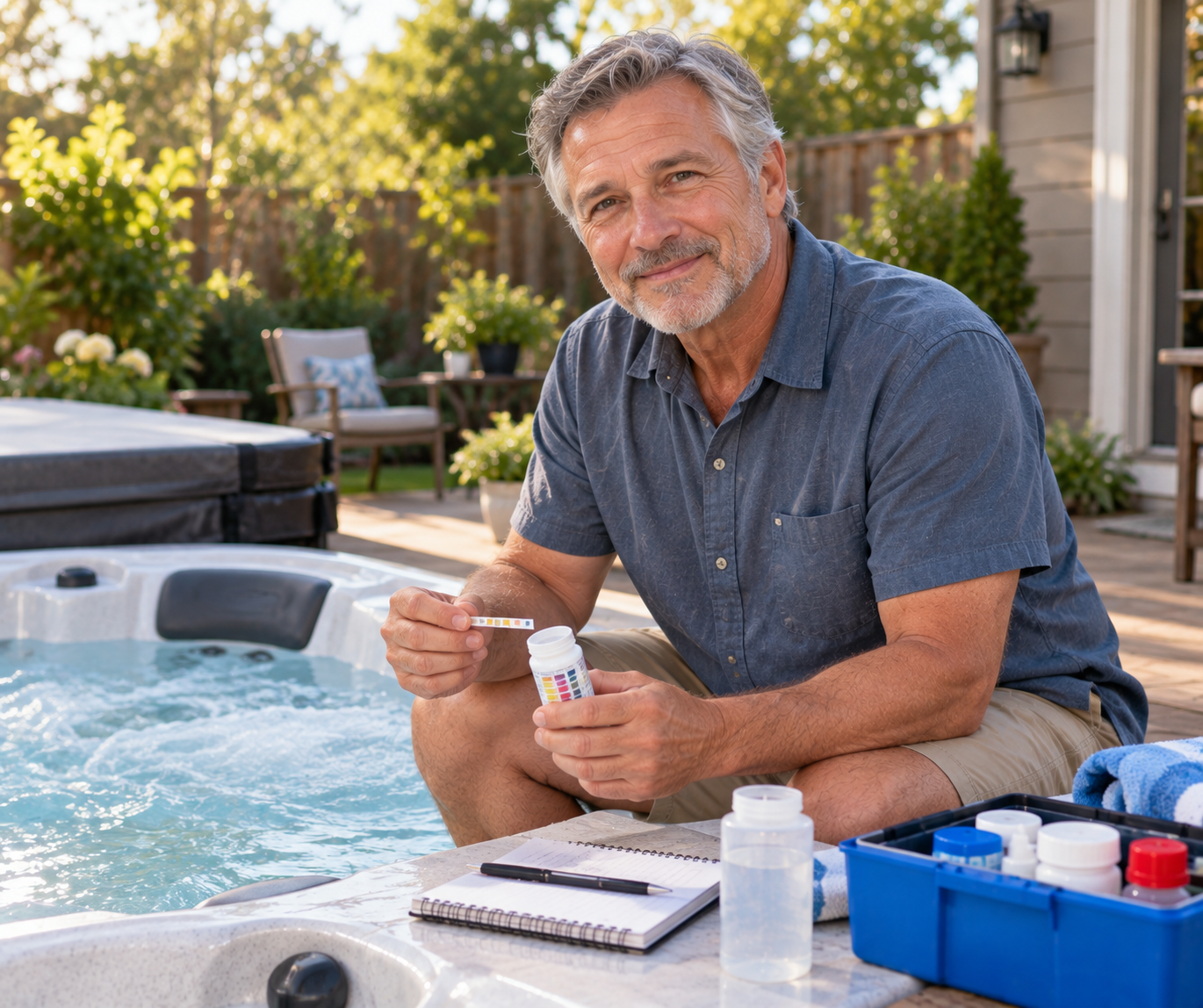

Building a functional pool cleaning system starts with understanding that most “DIY” approaches involve assembling manual tools or adapting existing plumbing rather than manufacturing a robotic unit from scratch. The most practical way to make your own pool cleaner is by combining a manual vacuum head, telescoping pole, and flexible hose, or by configuring suction-side plumbing for an automatic cleaner. This method allows you to customize the cleaning path and target specific debris types without relying on proprietary robotic navigation.

Many pool owners choose this route to avoid the high upfront cost of robotic units or to maintain control over chemical exposure and physical handling. The setup requires attention to pool surface compatibility and pump flow rates, especially if you are integrating a suction-side device. By selecting the right hose diameter and vacuum head, you can create a system that effectively captures leaves, sand, and fine silt while protecting your pool finish. This approach is particularly useful for above-ground pools or those with complex geometries that confuse automated navigation systems.


Creating a DIY pool cleaning solution typically falls into two categories: manual assembly or suction-side adaptation. Manual systems rely on human power to move the vacuum head across the pool floor, while suction-side systems use your existing pool pump to draw water and debris through a hose into the filter. The choice between these methods depends on your pool size, pump horsepower, and the type of debris you are trying to remove. Understanding these distinctions helps you select the right components for a reliable setup.
| Method | Key Components | Best For | Limitations |
|---|---|---|---|
| Manual Vacuum | Head, Pole, Hose | Targeted cleaning, Above-ground pools | Requires physical effort, Time-consuming |
| Suction-Side Adaptation | Swivel, Hose, Suction Port | Full floor coverage, Inground pools | Requires adequate pump flow, Plumbing work |
Before assembling any DIY cleaning system, verify that your pool pump can handle the additional flow resistance. Suction-side cleaners require a minimum flow rate to function effectively, and low-horsepower pumps may struggle to maintain suction. Check your pump’s specifications to ensure it meets the required GPM threshold for the hose length you plan to use. A weak pump can cause the cleaner to stall or fail to lift fine debris from the pool floor.
For manual setups, the quality of the vacuum head is critical. Look for heads with adjustable nozzles and durable wheels that can navigate steps and slopes. The hose should be flexible enough to bend around ladders and walls without kinking. A telescoping pole made of lightweight aluminum or carbon fiber reduces arm fatigue during long cleaning sessions. These components work together to create a system that is both effective and manageable for the user.
Essential Components for a Manual DIY Cleaner
A manual pool cleaner is the simplest DIY option and requires no plumbing modifications. The core of this system is the vacuum head, which connects to the hose and directs suction into the filter. Selecting the right head is crucial for different pool surfaces and debris types. Here are the key components to consider when building a manual system:
- Universal vacuum head with adjustable nozzle for floor and wall cleaning
- Flexible 1.25-inch or 1.5-inch hose for optimal suction flow
- Telescoping aluminum pole for reach and reduced user fatigue
- Filter bag or cartridge to capture fine silt and organic debris
- Swivel connector to prevent hose tangling during movement
- Wall brush attachment for scrubbing algae and calcium deposits
The vacuum head design significantly impacts cleaning efficiency. Heads with large intake ports capture more debris quickly, while those with smaller nozzles provide better suction for fine particles. Many pool owners prefer a head with a wide cleaning path to reduce the number of passes needed across the pool floor. This efficiency is particularly important for larger inground pools where manual cleaning can take considerable time.
Adapting Suction-Side Plumbing for Automatic Cleaning
If you want to move beyond manual vacuuming, you can adapt your existing suction-side plumbing to run an automatic cleaner. This method uses the pool pump’s suction to pull water and debris through a dedicated hose into the filter. The cleaner itself is a passive device that is moved by the water flow, making it ideal for full-floor coverage without human intervention. However, this setup requires careful attention to plumbing compatibility and pump flow rates.
Most suction-side cleaners connect to a dedicated 1.5-inch threaded suction port on the pool’s plumbing manifold. If your pool does not have a dedicated port, you can use a skimmer vacuum plate to connect the cleaner to the skimmer line. This method is common in older pools where a dedicated port was not installed. Ensure that the vacuum plate is properly sealed to prevent air leaks that could reduce suction and clog the filter.
The length of the hose you use affects the cleaner’s performance. Longer hoses increase flow resistance, which can reduce suction and cause the cleaner to stall. Most manufacturers recommend a maximum hose length of 50 to 60 feet for standard pool sizes. Exceeding this length may require a booster pump to maintain adequate flow. Always check the cleaner’s specifications for the recommended hose length and pump horsepower requirements.
If this topic is part of a bigger decision, best robot inground pool cleaner is a useful related read.
Water Chemistry and Filter Maintenance for DIY Setups
A DIY pool cleaner is only as effective as the water chemistry and filtration system it relies on. If your pool water is cloudy or full of fine particles, no cleaner will work efficiently. Regular water testing and chemical balancing are essential to keep the water clear and the filter functioning properly. This section covers the key chemical and maintenance tasks that support your DIY cleaning setup.
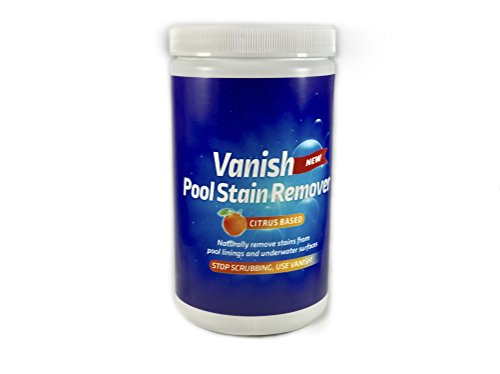
Using a water clarifier can significantly improve the performance of your DIY cleaner. Clarifiers combine small particles into larger clumps that are easier for the filter to capture. This is particularly useful for pools with high organic load or after heavy leaf drop. The listed specifications for water clarifiers indicate that they are designed to be used weekly as part of routine maintenance. This regular treatment helps maintain water clarity and reduces the strain on your filter system.
Filter maintenance is another critical aspect of a DIY cleaning setup, ensuring that your DIY cleaner operates at peak efficiency.
- Whether you use a cartridge, sand, or DE filter, regular cleaning is necessary to maintain flow and suction.
- Clogged filters reduce pump flow, which can cause your cleaner to stall or fail to lift debris.
- Rinse cartridge filters every two to four weeks, and backwash sand or DE filters when the pressure gauge indicates a rise of 8-10 PSI above the clean starting pressure.
Safety and Handling Precautions for DIY Pool Cleaning
Safety is paramount when working with pool equipment and water. DIY cleaning setups involve physical effort, electrical components (if using a pump), and chemical exposure. Following proper safety guidelines helps prevent injuries and equipment damage. This section outlines the key safety precautions to keep in mind when building and using your DIY pool cleaner.
Always disconnect the pool pump power before performing any plumbing work or filter maintenance. This prevents accidental pump startup, which can cause injury or equipment damage. Use proper lifting technique when handling waterlogged hoses and vacuum heads, as they can be heavy and awkward to move. Avoid pulling robotic or suction-side cleaners by the electrical cord or hose, as this can damage the components and create a safety hazard.
Be cautious when using pool chemicals near your cleaning equipment. Chemical shock treatments can damage plastic components, seals, and filters if not properly rinsed. Remove your DIY cleaner from the pool before adding shock chemicals, and rinse all components thoroughly with fresh water before storing them. This prevents chemical degradation and extends the life of your cleaning system. Always follow the manufacturer’s safety guidance for chemical handling and equipment storage.
Building your own pool cleaner is a practical way to maintain water clarity and reduce manual labor. By choosing the right components and maintaining proper water chemistry, you can create a system that effectively removes debris and keeps your pool clean. Whether you opt for a manual setup or a suction-side adaptation, the key is to match the system to your pool’s specific needs and pump capabilities. This approach offers flexibility and cost savings while ensuring a clean and inviting swimming environment.
Readers working through this often check what is the best pool filter cleaner next.




Write Your Review
No reviews yet. Be the first to share your experience!