

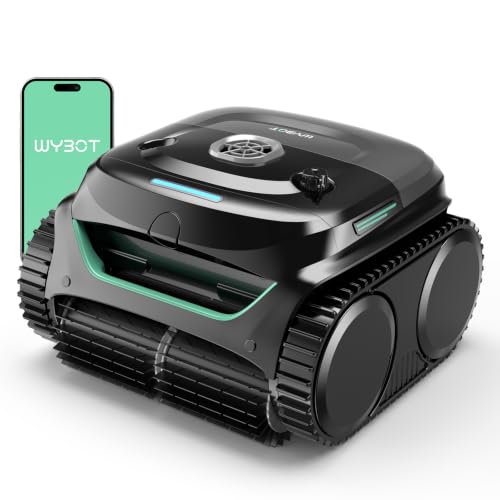
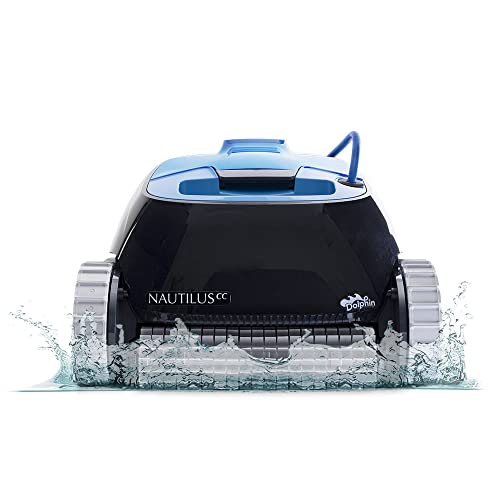
Waking up to a layer of windblown silt, pollen, and leaves at the bottom of the deep end can put a damper on any weekend swim. Heavy manual vacuuming eats into your free hours, and standard suction lines often drag on your filtration pump while struggling against stubborn waterline grime. Investing in the best pool robotic cleaner simplifies routine pool upkeep by handling floor scrubbing, wall climbing, and fine silt collection completely independently. Based on manufacturer specifications and real-world user feedback, modern automated units feature dedicated pump motors and active brushes that capture tiny debris particles down to fine microns without choking your skimmer basket.
Smart navigation sensors and autonomous drive tracks help these units navigate main drains, steep slopes, and tricky steps without babysitting. They also free up your pump system, cutting electric draw while circulating pool chemicals much more efficiently across dead spots. Balancing water clarity takes continuous attention, much like keeping water clean when relaxing in the best therapy hot tub after a long afternoon outdoors. Adding a dedicated robotic vacuum gives you back your weekends, leaving your swimming pool spotless and ready for an effortless dip at a moment’s notice.



Frequently Asked Questions
Can the Best Pool Robotic Cleaner run safely on vinyl liners and fiberglass surfaces?
Yes, most robotic cleaners with soft rubber tracks and active PVC scrubbing brushes operate safely on vinyl, fiberglass, and plaster surfaces. The non-abrasive tracks distribute machine weight evenly, preventing scuffing or premature wear on flexible vinyl liners. In addition, smart traction sensors keep the unit from spinning its treads aggressively in corners or on steep transition slopes.
How does a robotic pool cleaner navigate around bottom main drains without getting stuck?
Modern robotic cleaners use elevated chassis clearance, intelligent obstacle detection, and multi-directional track drives to glide right over raised main drain covers. When the robot encounters resistance or an uneven rise on the pool floor, internal gyroscopes prompt it to reverse or pivot away. This prevents the suction inlet from sealing against the drain grate and stalling the cycle.
Will a cordless robotic pool cleaner hold enough charge for a full in-ground cleaning cycle in 2026?
Yes, high-capacity lithium batteries typically provide between 120 and 190 minutes of continuous runtime on a single charge. That window gives the cleaner ample time to scrub floors, climb walls, and reach waterlines in pools measuring up to 2,000 square feet. Once the battery dips to its reserve limit, the machine automatically parks near the pool edge for simple retrieval with a hook.
What is the difference between ultra-fine filter cartridges and standard mesh baskets?
Standard mesh baskets capture large leaves, pine needles, and heavy twigs, whereas ultra-fine pleated cartridges trap microscopic silt, dead algae, and fine sand down to 3 to 150 microns. Many units combine both layers into a multi-stage filtration setup so heavy yard waste does not clog the fine mesh prematurely. Keeping filtration baskets clear of buildup requires consistent rinsing, similar to advice highlighted among the best hot tub brands reddit discussions where routine filter care prevents pump motor strain.
Do robotic pool cleaners require a dedicated booster pump or pool filter connection?
No, robotic pool cleaners operate as completely self-contained units with their own internal pump motors, drive mechanisms, and debris canisters. Unlike suction-side or pressure-side vacuums, they do not hook into your skimmer or demand a high-horsepower booster pump. This independent operation cuts electrical consumption and takes a massive workload off your main sand, cartridge, or DE pool filter.
Can you leave a robotic pool vacuum submerged in saltwater pools?
No, leaving any robotic pool cleaner submerged long after a cleaning cycle finishes can degrade motor seals and plastic housings prematurely. Saltwater and residual chlorine create a corrosive environment that slowly weakens rubber tracks and electrical contact points over time. To maximize the operational life of your Best Pool Robotic Cleaner, pull the robot out of the water after each run, rinse it thoroughly with fresh tap water, and store it in a shaded spot.




Write Your Review
No reviews yet. Be the first to share your experience!