

Fine sand settling across the deep end and stubborn algae clinging to tile lines turn regular backyard swimming into a grueling chore. Wrestling with manual vacuum poles and tangled hoses wastes hours that are better spent enjoying crystal clear water with family. Automated cleaners take that heavy burden off your shoulders by scrubbing surfaces and trapping fine grit before it clouds your pool. Evaluating the best pool vacuum cleaner for inground pools requires looking at motor suction, navigation patterns, and cycle efficiency so your basin stays pristine without spiking electric bills. Backyard owners who also maintain hydrotherapy spas often plan seasonal care ahead, similar to prepping the best hot tub for winter use before colder weather.
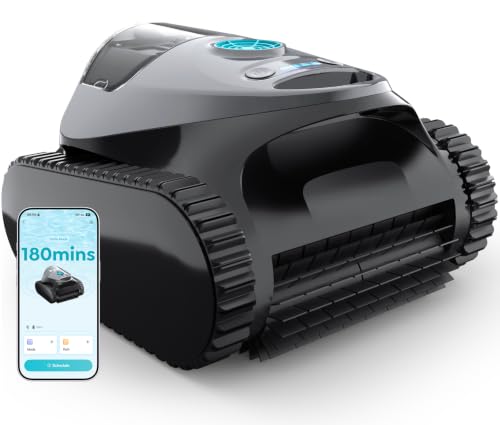
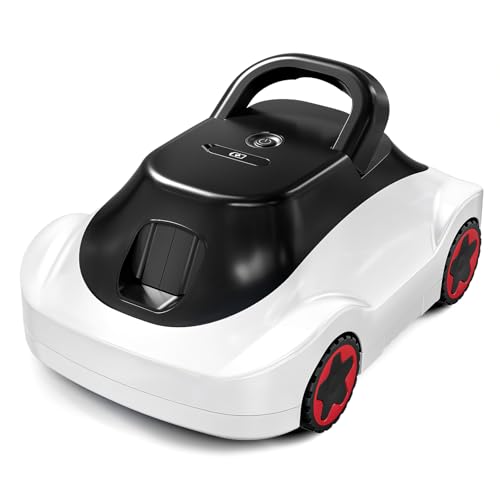
Based on our detailed comparison of filtration ratings, motor types, and user feedback, top models excel at capturing everything from leaves to microscopic silt. Selecting a unit with wall-climbing capability, dual filtration systems, and cordless battery runtime helps eliminate dead zones around floor drains and sloped transitions. You get reliable floor-to-waterline scrubbing without constantly unclogging skimmer baskets or straining your pump. That steady mechanical cleaning keeps pool surfaces spotless all season long.





Frequently Asked Questions
Can a cordless robotic pool cleaner effectively scrub the waterline in an inground pool?
Yes, cordless robotic cleaners with high-grip tracks and strong suction climb walls to scrub the waterline thoroughly. Multi-motor drives and smart path navigation generate enough vertical grip to hold against slick tile. These units scrub away scum lines and return to the floor without tipping.
What is the main difference between suction-side cleaners and robotic vacuums for inground pools?
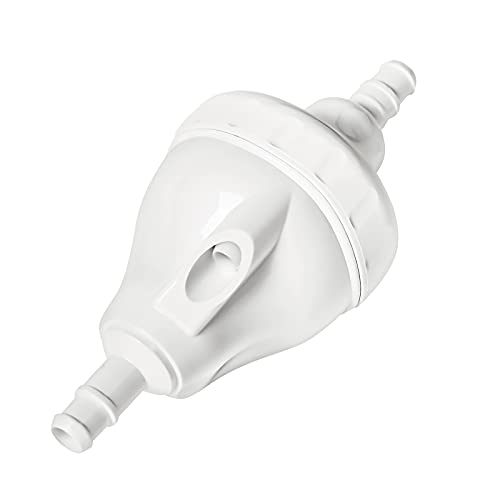
Suction-side pool cleaners rely on your pool pump suction to pull debris into the skimmer, whereas robotic cleaners run independently using onboard motors and internal canisters. Suction models require adequate pump flow, usually at least 3/4 horsepower, to climb walls. Robotic cleaners use self-contained low-voltage power, easing strain on main filtration plumbing.
Will the best pool vacuum cleaner for inground pools handle fine sand and microscopic silt as well as large leaves?
Yes, models with dual filtration or ultra-fine mesh ratings down to 150 to 180 microns capture fine sediment alongside coarse leaf litter. Dual filtration traps larger leaves in an initial basket while catching cloud-forming dust in a fine screen. Regular hose rinsing keeps suction steady throughout the cycle.
How do automated pool cleaners navigate over raised main drain covers without getting stuck?
Most cleaners use raised roller brushes, continuous tracks, or deflectors to climb over raised main drain profiles. Sonar navigation and smart mapping sensors detect obstacles, prompting the cleaner to reverse before spinning its wheels. This steady movement keeps your best pool vacuum cleaner for inground pools rolling across deep-end slopes.
Are automatic pool cleaners safe to use on vinyl liner and fiberglass inground surfaces?
Yes, modern pool vacuums with soft rubber tracks and non-abrasive brushes protect vinyl and fiberglass finishes. Smooth drive wheels prevent scuffs on delicate liners while scrubbing algae away. Just like balancing sanitizers in the best 2 3 person hot tub, balanced water chemistry prevents surface wear.



Write Your Review
No reviews yet. Be the first to share your experience!