
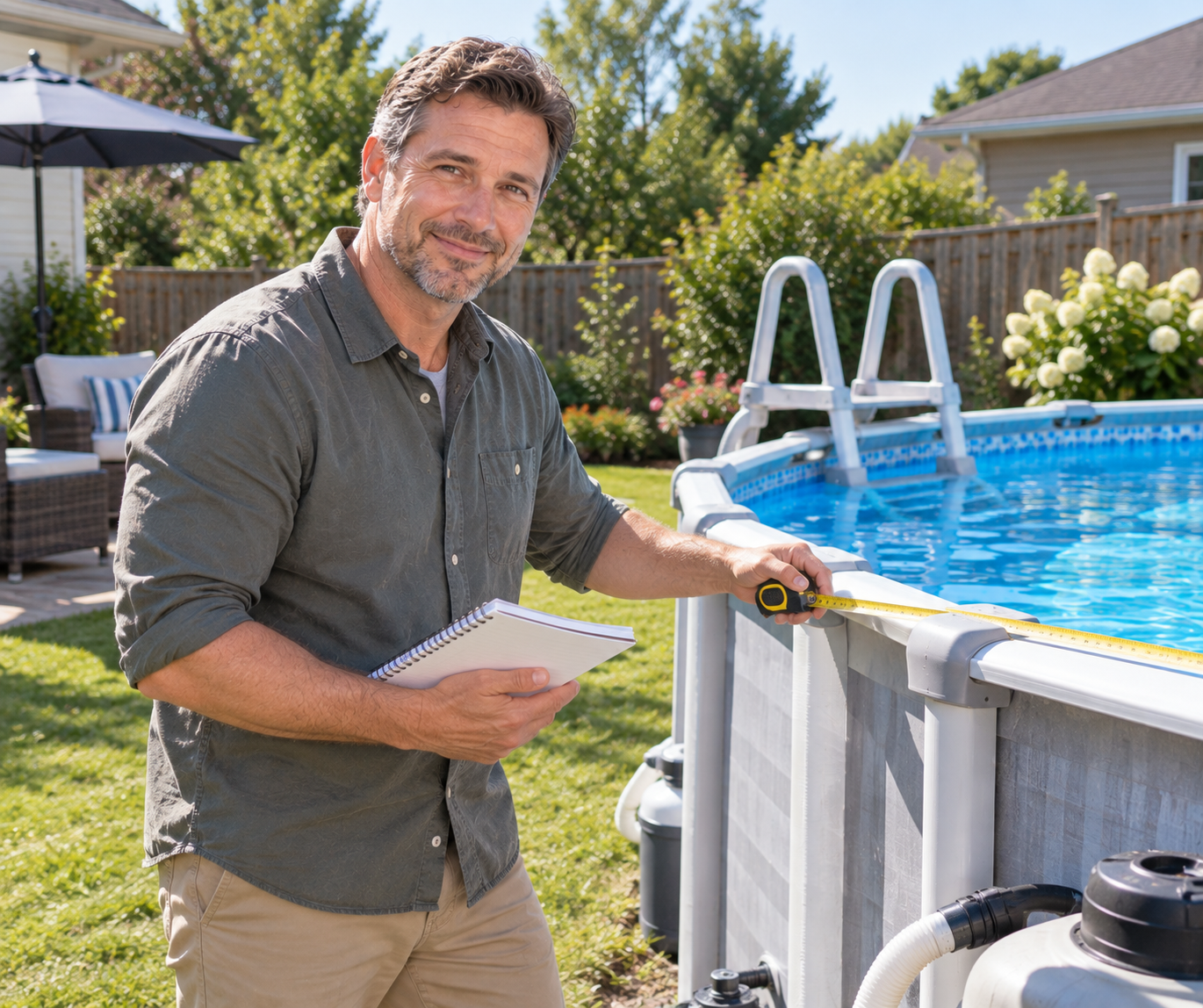

Fine sand, sinking leaves, and stubborn algae film can turn a clear backyard swimming pool into an exhausting weekend chore. Dragging out manual vacuum hoses, priming skimmer suction lines, and scrubbing plaster steps drains your free time and leaves dirt behind in tight corners. Investing in the best pool cleaner for the money automates the heavy lifting so your pool water stays inviting without endless manual pole skimming. Whether you manage a large in-ground gunite basin or an above-ground vinyl setup, an automated unit targets deep-end silt and scrubs slippery walls consistently. Keeping water balanced and debris-free is essential for any aquatic retreat, whether you maintain a full-size pool or evaluate options wondering should I buy an inflatable hot tub to enjoy alongside your patio.
Modern cleaning units range from budget-friendly suction-side cleaners that harness your existing filtration pump to agile cordless robotic pool cleaners equipped with independent drive motors. Analyzing pump flow rate requirements, runtimes, and surface compatibility ensures your equipment handles leaves, sand, and waterline grime without stalling over main drains. Selecting the right setup saves pump wear and cuts electric costs while keeping your pool pristine throughout 2026. Careful evaluation of equipment specifications, navigation patterns, and user feedback helps identify durable, budget-smart options that deliver spotless results.





Frequently Asked Questions
What is the difference between robotic, suction-side, and pressure-side cleaners?
Robotic cleaners operate independently using internal electric motors, whereas suction-side and pressure-side cleaners rely directly on your pool plumbing. Suction-side units attach to a skimmer or dedicated suction line, pulling debris into the main filter basket using pump suction. Pressure-side units use water returns to push debris into an attached bag, often requiring an auxiliary booster pump. Independent robotic vacuums reduce strain on your pool pump and provide targeted floor, wall, and waterline cleaning without cumbersome hoses.
What pump horsepower is required to run a suction pool cleaner?
Most standard suction cleaners require a pool pump rating of at least 3/4 horsepower or a minimum flow rate of 1,600 GPH. Units like the VINGLI pool cleaner or XtremepowerUS sweeper need consistent water flow to generate adequate suction and drive their oscillating diaphragms or flappers. If your pump produces less than 1,600 GPH, the cleaner may stall on main drain covers or fail to climb vertical pool walls. Variable speed pumps should be set to medium or high speeds during active cleaning cycles.
Can cordless robotic pool vacuums safely clean vinyl liner pools?
Yes, most modern robotic pool vacuums are engineered with non-abrasive rubber tracks and soft PVC roller brushes that protect vinyl liners from scuffs and tears. Smooth tracks distribute the machine’s weight evenly across floor seams and cove transitions, preventing snagging. Suction sweepers with scuff-resistant hoses and wheel deflectors also navigate vinyl surfaces without abrasive friction. Always confirm the manufacturer explicitly lists vinyl compatibility before placing new cleaning gear into your pool.
How do ultra-fine filter baskets compare to standard mesh bags for capturing fine silt?
Ultra-fine pleated filter cartridges trap microscopic particles like sand, silt, and dead algae, while standard mesh bags primarily catch leaves and larger twigs. Mesh bags allow fine grit to pass through and recirculate back into the water, causing cloudiness. Dual filtration systems or top-loading fine filter baskets capture sediment down to small micron levels, keeping water sparkling. If you battle heavy leaf fall alongside fine dust, pairing an all-purpose collection bag with a fine filter cartridge offers the most balanced debris management.
How long does a cordless pool vacuum battery typically last on a single charge?
Quality cordless robotic cleaners provide between 180 and 190 minutes of continuous runtime on a full lithium battery charge. Models like the Letexpool C1 and Lodoba automatic vacuum clean up to 1,600 to 2,150 square feet before docking themselves near the pool wall for retrieval. Full recharge cycles generally take 2.5 to 3 hours using an indoor charging adapter. This battery life allows complete floor, wall, and waterline scrubbing cycles without trailing cords across your pool deck.
How should automatic pool cleaners be stored during freezing winter months?
Automatic cleaners must be thoroughly rinsed with fresh tap water, drained completely of all trapped moisture, and stored in a dry, temperature-controlled environment away from freezing temperatures. Freezing water inside internal motor compartments, hoses, or plastic drive tracks can crack housings and degrade flexible seals. Winter maintenance is just as crucial for pools as it is for hot tubs, where owners following advice on the best hot tub for winter use know that protecting plumbing from freeze damage prevents costly springtime repairs. Always remove cleaner bags and dry filtration cartridges thoroughly before winter storage.



Write Your Review
No reviews yet. Be the first to share your experience!