
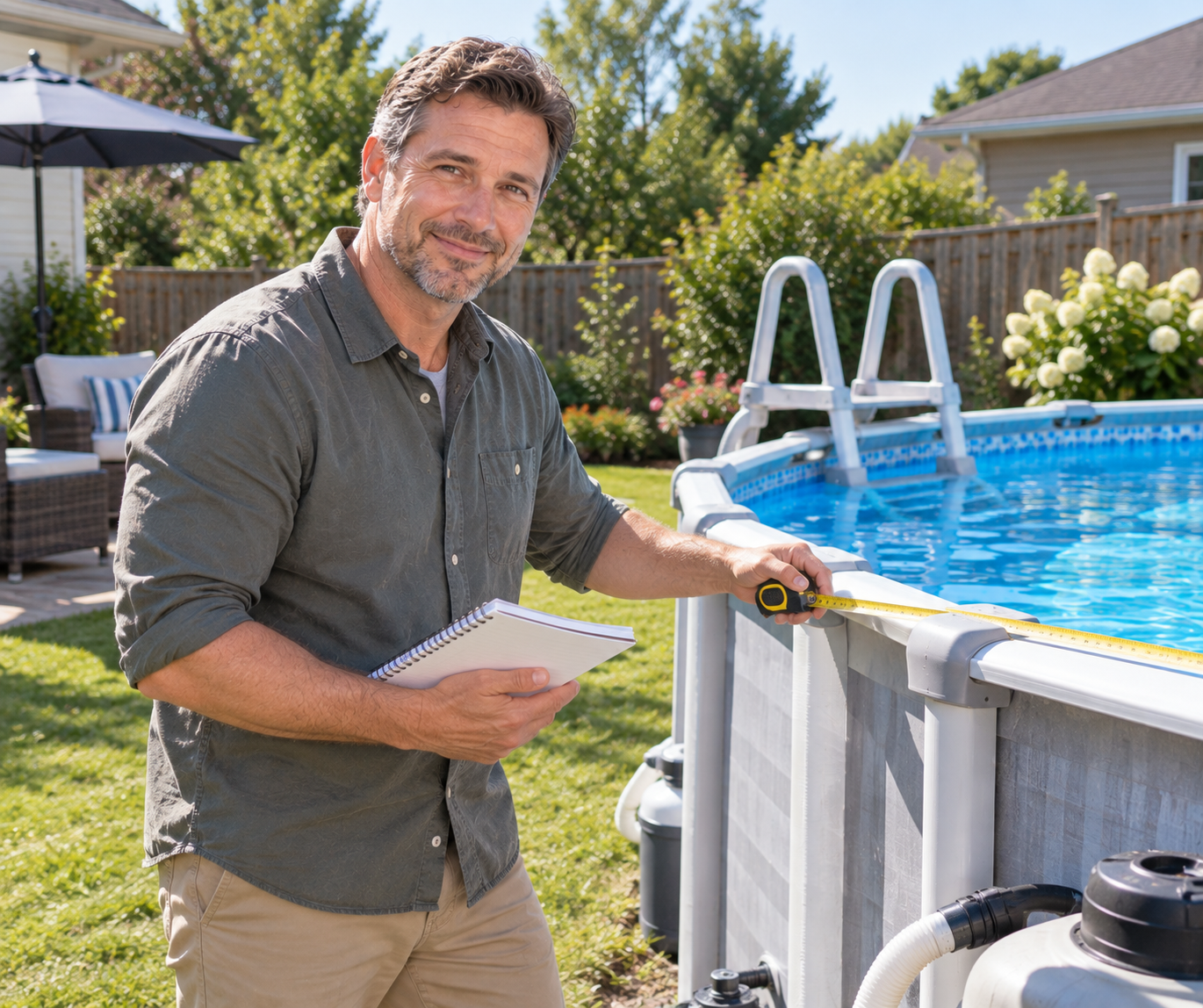

Fine silt, blowing dirt, and slick algae films often settle along bottom slopes faster than a standard skimmer can pull them in. Dragging cumbersome hoses across the deck under the blazing sun turns routine backyard care into an exhausting chore. Investing in the best in ground pool cleaner robot relieves physical strain while protecting your primary pool pump from heavy debris clogs. Many in-ground pool owners look for automated solutions that lift settled sand, collect sunken leaves, and scrub stubborn tile lines without needing constant manual intervention.
Modern robotic units run on isolated electric motors and dedicated filter canisters, preventing extra wear on your main filtration plumbing. Evaluating product specifications and user feedback highlights a strong shift toward cordless drive designs with high-capacity lithium batteries and active roller brushes. If you also balance other backyard water features like the best hot tub brands reddit community frequently discusses, dependable automated cleaning saves hours of labor each week. Focusing on wall-climbing traction, dual-layer filtration, and generous battery runtimes helps ensure your swimming pool stays crystal clear with minimal upkeep.




Frequently Asked Questions
Can a cordless best in ground pool cleaner robot climb walls and scrub the waterline effectively?
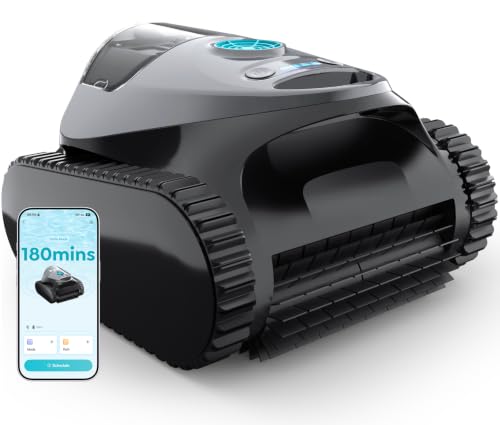
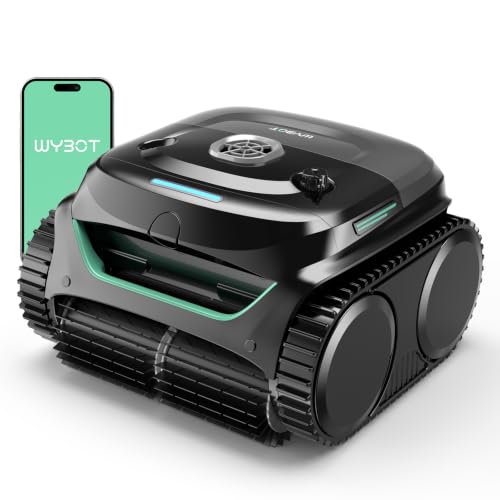
Yes, several cordless models feature dual drive tracks and multi-motor setups capable of climbing vertical pool walls up to the waterline. Units like the Beatbot Sora 10 and WYBOT C1 utilize specialized gyroscopes and buoyant ballast systems to scale gunite and tile without slipping. These machines scrub surface grime at the waterline for several seconds before descending back down to the floor. Battery power output remains consistent enough across modern lithium cells to handle steep deep-end inclines easily.
How do robotic pool cleaners navigate around raised main drains without getting stuck?
Continuous rubber tracks and active front rollers allow robotic cleaners to roll directly over raised drain covers. Wheel-driven vacuums with low chassis clearance often hang up on anti-vortex drain grates, but tracked models climb over obstacles with higher torque. Intelligent sensors and programmed reverse cycles detect when the unit stops moving forward and pivot the cleaner away from the drain. This automated obstacle avoidance keeps the cleaning cycle running smoothly across the entire pool floor.
Do I need a booster pump to operate an in-ground pool robot?
No, robotic pool vacuums do not require a booster pump or any connection to your pool plumbing. Unlike pressure-side vacuums that rely on dedicated auxiliary pumps, a robotic unit runs on its own internal electric motors and filtration chambers. This self-contained setup saves significant electrical energy and prevents debris from loading into your skimmer baskets or sand filter. You simply charge the battery or plug the transformer into a GFCI outlet and place the cleaner into the water.
What filter type works best for capturing fine sand, silt, and algae?
Dual-layer filtration canisters with ultra-fine pleated cartridges capture microscopic sand, pollen, and dead algae far better than standard mesh bags. Primary mesh screens stop large oak leaves and pine needles, while secondary fine filters trap particles down to small micron ratings. Cleaners with top-load access make rinsing these filters quick and straightforward with a standard garden hose. Maintaining clean filters ensures the vacuum preserves full suction flow rate across the entire cleaning session.
How should you store and maintain a best in ground pool cleaner robot during the winter off-season?
Store the cleaner in a dry, temperature-controlled environment away from freezing outdoor temperatures and harsh sunlight. Deep freeze conditions can permanently degrade lithium batteries and crack internal plastic pump housings. Much like prepping equipment for the best hot tub for winter use, cleaning the filter basket thoroughly and charging the battery to around fifty percent before storage extends unit longevity. Keeping the cleaner indoors through the cold months ensures it stays ready for the 2026 swim season.



Write Your Review
No reviews yet. Be the first to share your experience!