
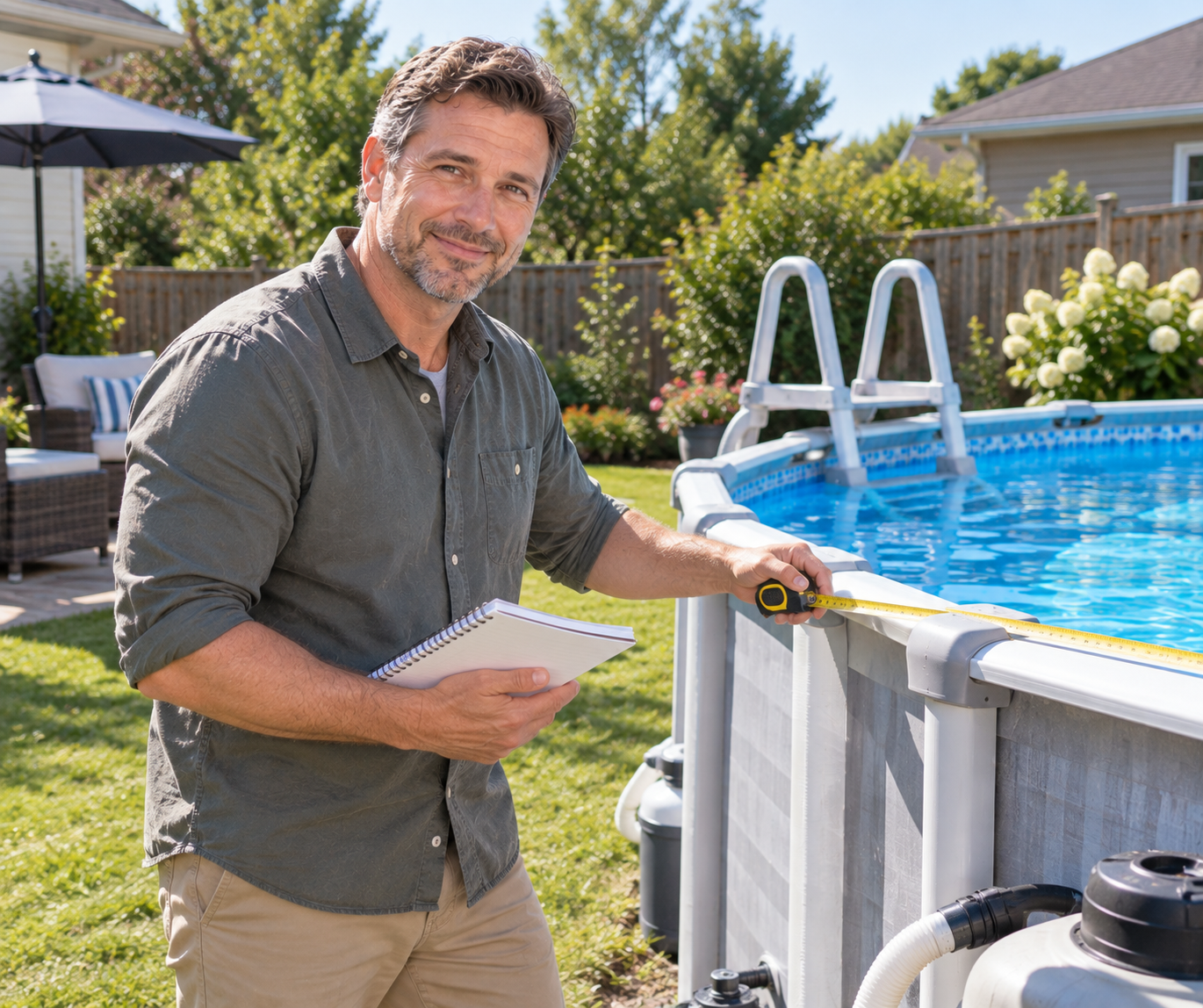

Fine sand, windblown dirt, and stubborn organic debris often settle on above-ground vinyl liners faster than standard skimmers can catch them. Pushing a heavy manual pole vacuum across the water floor in scorching heat quickly turns weekend relaxation into exhausting chores. Investing in the best electric above ground pool cleaner provides an automated solution that scrubs flat pool floors and captures fine particles before algae blooms take hold. Modern motorized cleaners feature internal drive motors and independent suction, lifting grit without overloading your primary sand or cartridge filter system. If your backyard setup also includes a portable spa for evening recovery, keeping clean water in freezing weather is equally essential, as highlighted in our look at the best hot tub for winter use.
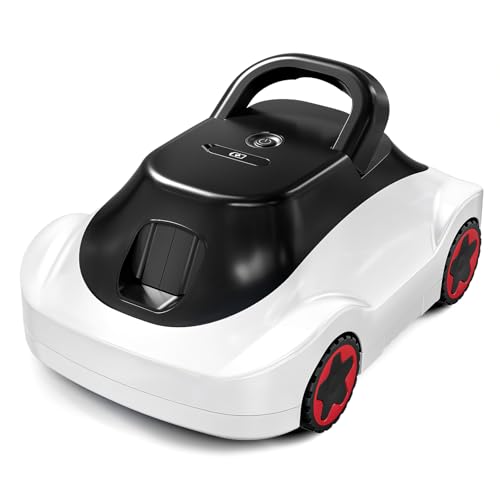
Careful analysis of motor specifications, battery runtimes, and customer feedback reveals how dramatically motorized pool sweepers improve everyday maintenance. Cordless units eliminate long, tangled floating hoses that pull on skimmer faceplates or reduce pump circulation. Instead, onboard high-capacity lithium batteries power dual drive motors and active brushes to lift debris into fine-mesh filter baskets. Choosing an automated model with reliable auto-parking technology ensures effortless retrieval when the cleaning cycle wraps up. These machines keep your water sparkling clear while saving your back from manual scrubbing.




Frequently Asked Questions About Best Electric Above Ground Pool Cleaner
Can an electric cleaner safely run on vinyl liner above-ground pools?
Yes, most dedicated electric cleaners are designed specifically with non-abrasive tracks or soft wheels that protect vinyl liners from tears or scuffs. Dual scrubbing rollers lift settled algae gently without pulling on liner seams. Many pool owners prefer these motorized vacuums because they distribute weight evenly across flat vinyl floors without creating high-friction points.
How do cordless battery cleaners handle pool floor slopes and obstacles?
Cordless units easily handle flat floors and gradual inclines up to 10 or 15 degrees, but steep transitions can limit traction. Brushless motors paired with rubber track treads offer improved grip on slick surfaces. When the internal battery runs low, smart auto-parking algorithms steer the unit right beside the pool wall so you can easily pull it out with a hook.
Do electric cleaners require a connection to the pool pump or filter?
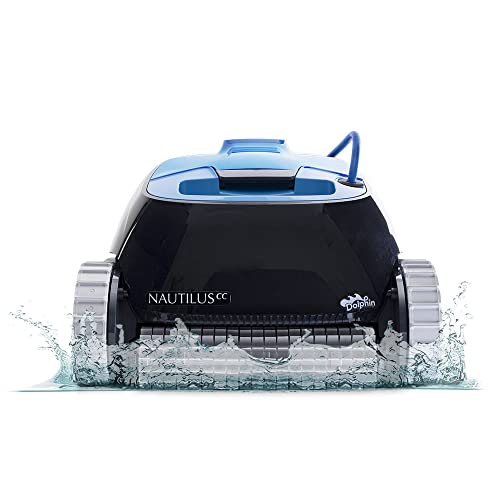
No, independent electric cleaners operate entirely without connecting to your pool circulation pump or skimmer line. They contain their own internal pump and top-loading filter basket to capture leaves, insects, and silt directly. This setup protects your primary filtration system from clogging and eliminates awkward vacuum hoses that restrict surface skimming.
How does a top-loading filter basket compare to fine mesh debris bags?
Top-loading rigid filter canisters trap fine silt and sand much more effectively than loose mesh bags while simplifying routine rinse-outs. Quick-drain mechanisms let water escape in seconds when you lift the unit, leaving dirt securely inside the canister. According to user feedback, rinsing a rigid cartridge with a standard garden hose takes far less time than untying and washing fabric bags.
Will an automatic pool cleaner climb the walls of an above-ground pool?
Most budget-friendly models focus strictly on floor coverage, but advanced robotic sweepers feature enough vertical suction to climb walls and scrub the waterline. Units equipped with high suction ratings or active scrubbing brushes scale vinyl walls reliably. If your pool features curved coves or uneven footing, floor-only cycles often provide faster maintenance without the risk of tipping.
Can you leave an electric pool vacuum submerged between cleaning cycles?
No, leaving battery-powered or corded cleaners submerged continuously in chlorinated water degrades waterproof seals and shortens motor lifespan. Removing the unit immediately after its cycle preserves battery health and prevents chemical corrosion. Homeowners who also maintain small patio setups often ask whether you should buy an inflatable hot tub, where similar rules apply for removing portable accessories after use.




Write Your Review
No reviews yet. Be the first to share your experience!