


Fine silt settling along the bottom floor and stubborn algae lines clinging to the waterline turn weekly maintenance into an exhausting weekend chore. Pushing a manual vacuum pole under the blazing sun strains your back and leaves behind cloudy water that takes hours to settle. Investing in the best corded robotic pool cleaner eliminates that hassle by providing continuous power without the risk of battery fade halfway across the deep end. While pool owners looking to unwind outdoors often study water care tips from the best hot tub brands reddit discussions, automated pool vacuums handle heavy grit, pine needles, and clinging algae right at the source.
Constant electrical power allows corded units to run dedicated pump motors alongside active scrubbing brushes that dislodge stubborn grime on gunite, vinyl, and fiberglass surfaces. Swivel cables and systematic path mapping keep these robotic machines moving freely across floor transitions and main drain covers without tangling or stalling out. Top-loading filtration baskets capture microscopic sediment and coarse leaves, which reduces strain on your primary skimmer and sand or cartridge filters. Evaluating cleaner cycle options, brush configurations, and cable length ensures you select an automatic system tailored to your backyard setup.

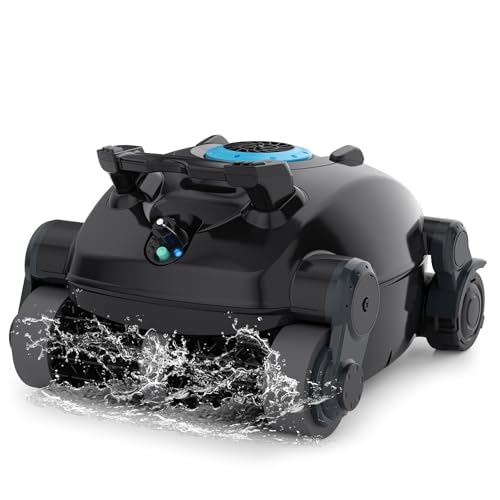


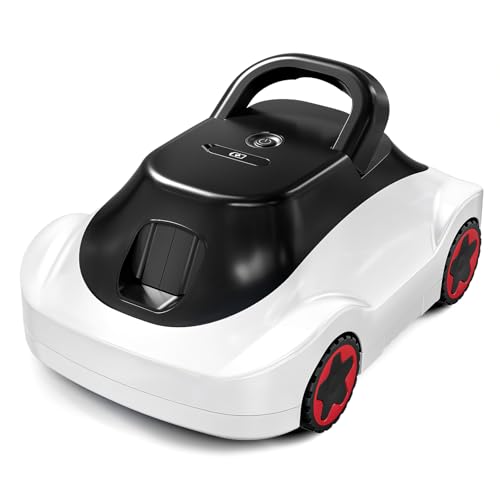

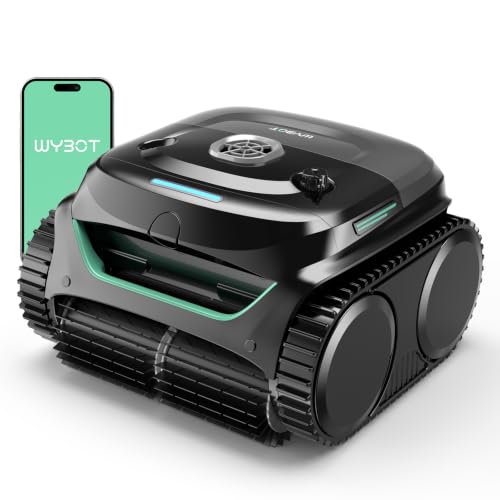
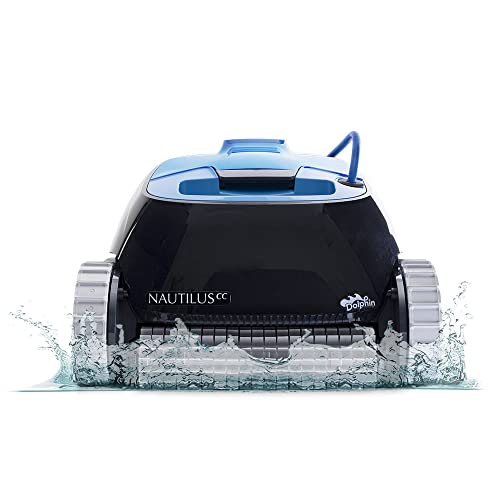

Frequently Asked Questions
What makes a corded robotic cleaner better than a cordless battery unit?
Continuous power delivery is the primary benefit of a corded system. Unlike battery vacuums that can shut down mid-cycle in deep pools, corded robots operate uninterrupted until the cleaning cycle finishes. The consistent voltage keeps motor suction and active scrubbing rollers running at full capacity, allowing the cleaner to climb walls and scrub waterlines without losing traction as the cycle progresses.
Can the best corded robotic pool cleaner safely clean vinyl liners and fiberglass surfaces?
Yes, most robotic cleaners with soft rubber tracks and active PVC brushes are engineered for smooth pool surfaces. Continuous rubber tracks distribute weight evenly to prevent scuffing, tearing, or slipping on delicate vinyl and slick fiberglass. Always verify surface ratings in product specifications before running an automatic cleaner on soft-sided or vinyl-lined pools.
How do corded robotic pool cleaners prevent cable tangling during operation?
Built-in mechanical swivels and intelligent gyroscopic navigation patterns actively prevent cord twisting. The swivel joint rotates 360 degrees as the cleaner turns, relieving mechanical tension in the floating power cable. Combined with systematic S-path and N-path navigation, the cleaner covers the pool floor without coiling the power cord into knots.
Do corded robotic pool cleaners require a dedicated booster pump?
No, robotic pool cleaners operate completely independent of your pool filtration pump and booster equipment. They plug into an outdoor standard ground-fault circuit interrupter (GFCI) outlet and power their own onboard drive and suction motors. This independence reduces wear on your main pool pump and saves on high booster pump electricity expenses.
How often should the top-loading filter basket or cartridge be cleaned?
Rinsing the filter basket after every cleaning cycle provides the best suction performance and extends motor life. Fine silt, sand, and leaves pack into the mesh or pleated cartridges, restricting water flow if left unwashed. A quick rinse with a garden hose keeps the top-loading filter basket ready for the next scheduled run.
How should you store a robotic pool cleaner during cold weather?
Store the cleaner indoors in a dry, climate-controlled space away from freezing temperatures. Just as homeowners protect the best hot tub for winter use against freezing weather, keeping your pool robot out of ice and snow protects water seals and internal circuit boards. Drain all water from the chassis, coil the floating cable loosely, and keep it off freezing concrete floors.




Write Your Review
No reviews yet. Be the first to share your experience!