
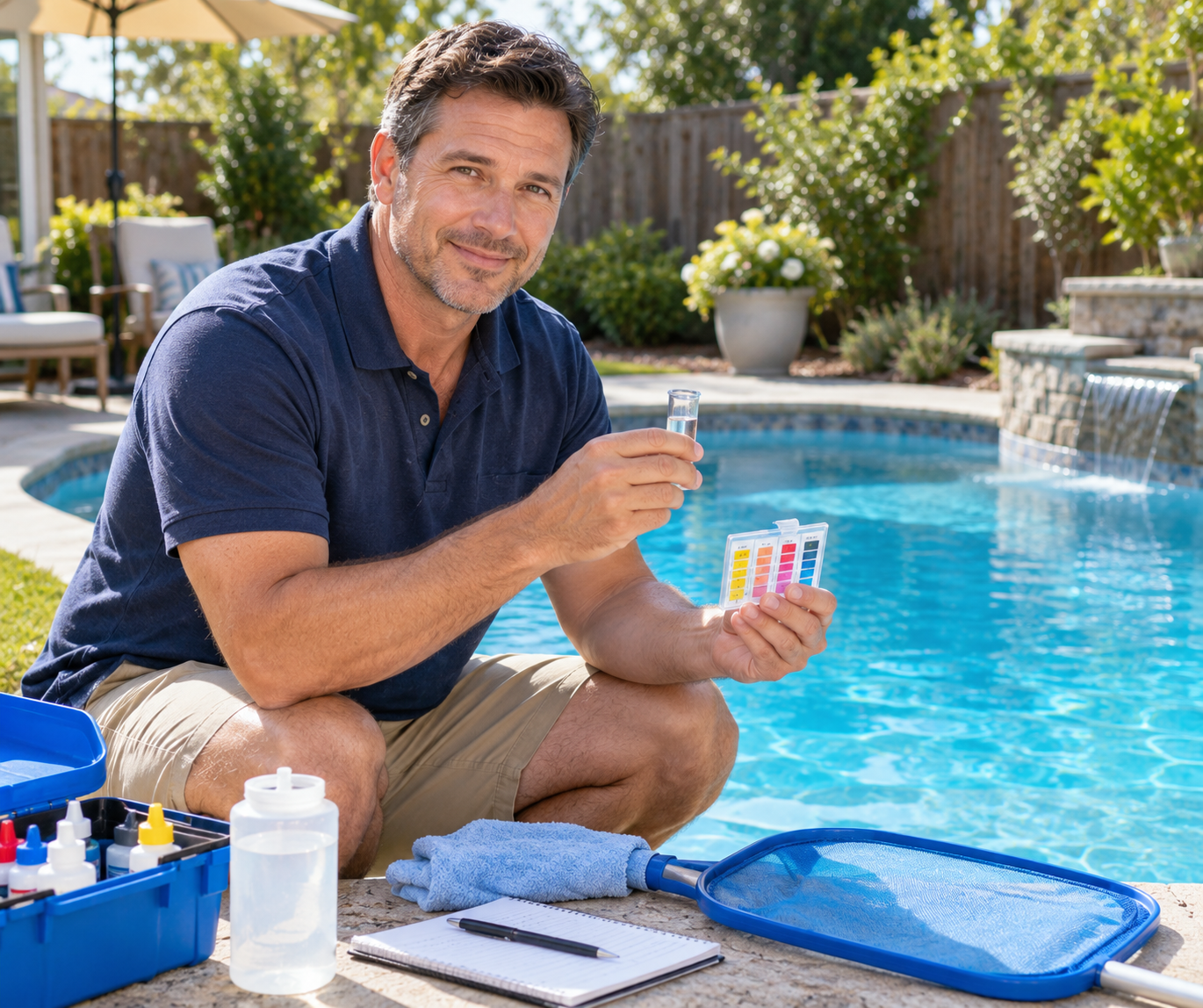

Fine silt and windblown dirt often settle fast in compact plunge pools, creating stubborn floor debris that standard skimmer baskets completely miss. Dragging out bulky manual vacuum hoses for a compact swimming space feels like an exhausting chore, yet letting algae film sit on the floor quickly ruins your water balance. Investing in the best automatic pool cleaner for small pools gives you a dependable way to maintain sparkling water without fighting cumbersome gear. Much like keeping balanced filtration running in a compact patio spa setup, smaller swimming pools need agile navigation to sweep tight radii without getting hung up on main drains or steps.
Modern automatic vacuums come in suction-side setups, pressure systems, and self-contained battery options designed to cut out pump strain. Dedicated scrubbers and smart obstacle navigation mean you spend less time scrubbing gunite or vinyl walls and more time swimming. Based on equipment specifications, pump flow requirements, and user feedback from small pool owners, compact automated vacuums handle tight corners with remarkable agility. Choosing a machine with an active scrubbing brush and reliable debris retention ensures your water stays crystal clear throughout the swimming season.


Frequently Asked Questions About Small Pool Cleaners
Can a robotic pool vacuum work effectively in a small pool?
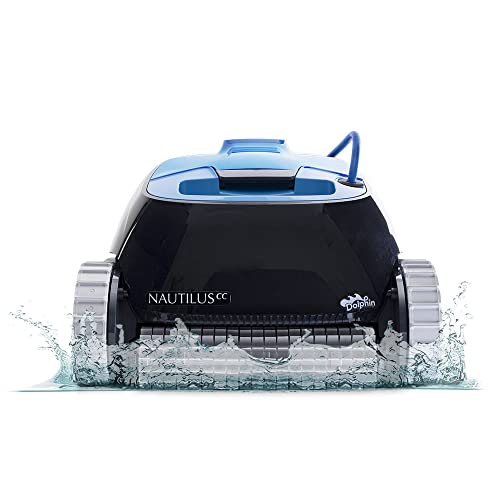
Yes, robotic pool cleaners operate independently of your pool pump and navigate tight dimensions with built-in drive tracks. They use internal filtration baskets to capture fine sand, grit, and leaves without loading up your skimmer basket. Most compact robotic models complete a full cycle in about two hours, delivering thorough floor and wall scrubbing with minimal electrical consumption.
What pump horsepower is needed for suction-side pool cleaners in small setups?
Most suction-side cleaners require a pool pump rated at least 3/4 horsepower or a minimum flow rate of 1,600 to 1,700 gallons per hour. Diaphragm-driven and disc vacuums rely directly on hydraulic draw to propel themselves and climb shallow slopes. If your small pool utilizes a low-flow cartridge filter pump, a standalone robotic cleaner is usually a much more efficient choice.
Are automatic cleaners safe for small vinyl liner and fiberglass pools?
Yes, cleaners engineered with scuff-resistant hoses, soft rubber tracks, and wide deflection discs protect delicate pool surfaces. These parts prevent abrasive friction against vinyl liners and smooth fiberglass shells while navigating tight radiuses. Always verify that the cleaner maintains proper ballast weights so it does not lift or snag against liner seams.
How do cordless robotic pool cleaners perform in small swimming pools?
Cordless robotic vacuums excel in small pools because they eliminate tangled floating cables and bulky hose lines entirely. Powered by internal lithium batteries offering up to 130 to 190 minutes of runtime, these cleaners complete full floor cycles on a single charge. Routine care is straightforward, similar to following guides on practical water maintenance for hot tubs to prevent sediment buildup.
How do automatic pool cleaners avoid getting stuck on main drains in compact pools?
Modern cleaners use wheel deflectors, specialized directional gears, and raised chassis fins to roll smoothly over raised main drain covers. When a suction unit encounters a drain lip, deflector wheels rotate the body away to resume floor navigation. Cordless robotic models utilize reverse-drive sensors to back away whenever drive tracks encounter an obstacle.


Write Your Review
No reviews yet. Be the first to share your experience!