
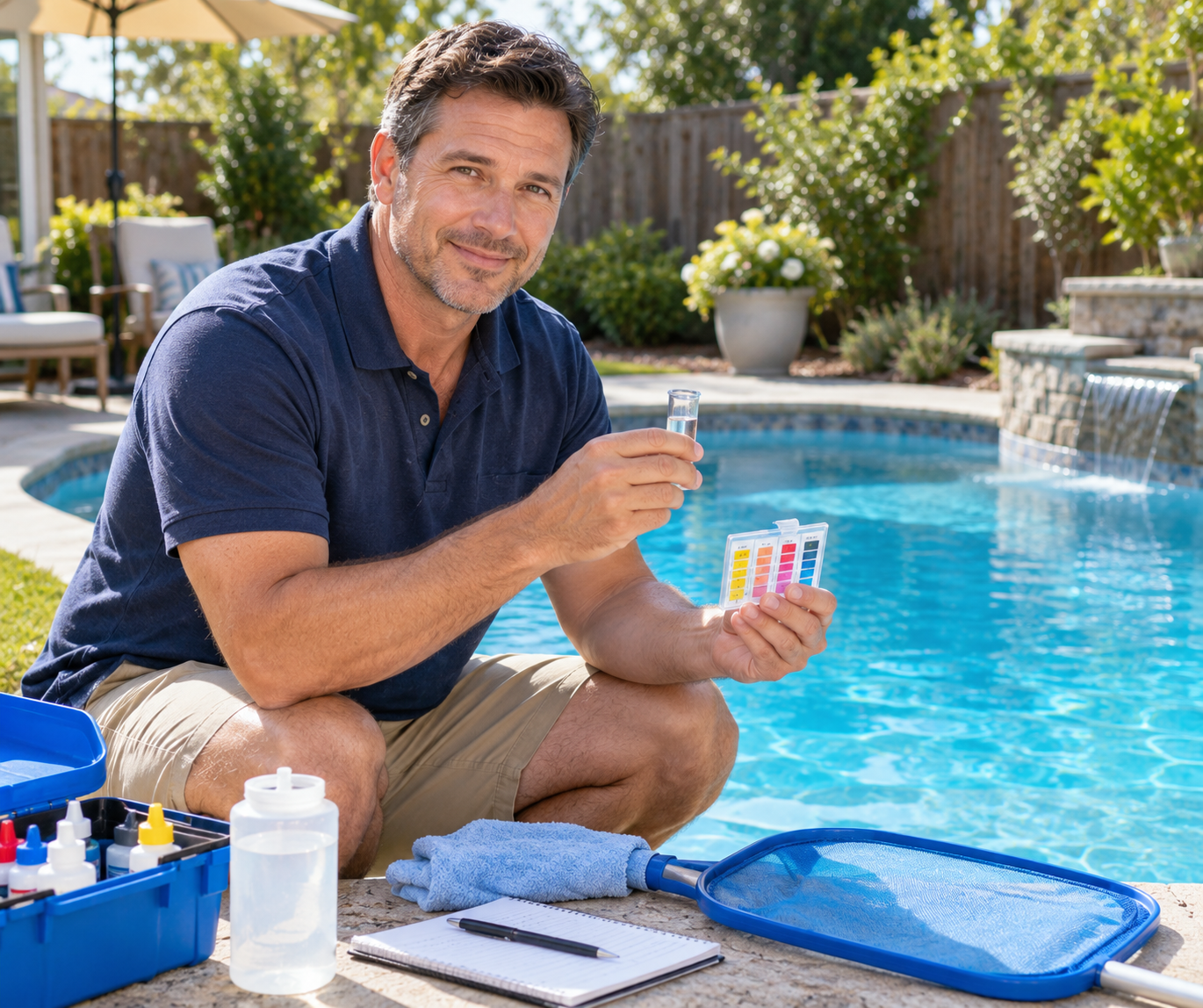

Staring at a price tag for a robotic pool cleaner can feel like a gamble, especially when the gap between entry-level and premium units is significant. Many pool owners worry that the initial investment for a dolphin pool cleaner cost might not translate into long-term savings on labor or chemical usage. It is crucial to look beyond the sticker price and consider the total cost of ownership, including energy consumption and filter replacement cycles. A cheaper unit that requires constant manual intervention might end up costing more in your time and physical effort over a single season.
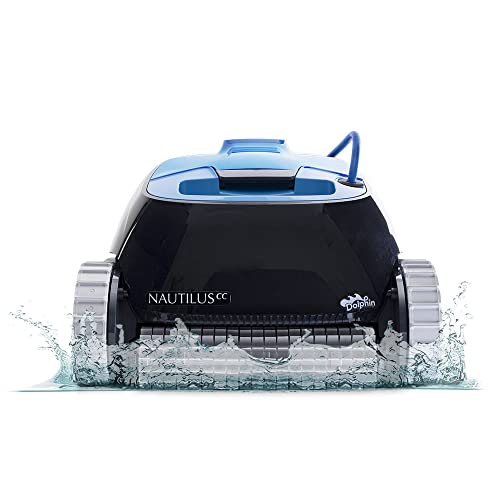
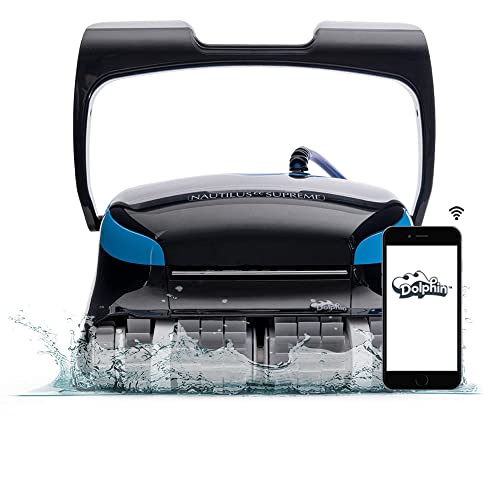
The lineup ranges from compact models for small above-ground pools to high-end units with Wi-Fi connectivity for large in-ground installations. Each tier offers distinct advantages, such as active scrubbing brushes that reduce manual pole work or smart navigation that optimizes cleaning paths. By analyzing the specifications of each model, you can determine which features align with your specific pool dimensions and surface type. Whether you need a simple floor vacuum or a wall-climbing powerhouse, the right choice balances performance with your budget and maintenance schedule.



If this topic is part of a bigger decision, dolphin pool cleaner vs polaris is a useful related read.
Frequently Asked Questions
Do I need a booster pump for these models?
No, these robotic cleaners operate independently of your pool’s circulation system. They use their own internal motor and filtration system to move and clean. This means you do not need to install a booster pump, which saves on installation costs and reduces your overall electricity consumption compared to suction-side systems.
Are Dolphin cleaners safe for vinyl liners?
Yes, most models are designed to be gentle on sensitive surfaces like vinyl and fiberglass. The brushes and wheels are engineered to provide traction without causing abrasion or scuffing. Always check the specific surface compatibility list for your model to ensure it is rated for your pool’s liner material before purchasing.
How long does a cleaning cycle take?
Cycle times vary by model, typically ranging from 1.5 to 2 hours for standard floor cleaning. Larger or premium models may offer longer cycles to cover more ground or scrub walls. You can usually adjust the duration to match the amount of debris in your pool, ensuring efficient use of energy.
Can I use these in saltwater pools?
Yes, all listed Dolphin models are compatible with saltwater and chlorine pools. The materials used in the chassis, seals, and filtration baskets are resistant to corrosion from saltwater systems. This makes them a versatile option for homeowners who have converted their pools to saltwater for easier maintenance.
How do I maintain the filter basket?
Most models feature a top-load filter basket for easy access without removing the unit from the pool. You simply lift the lid, remove the basket, and rinse it with a garden hose. Regular cleaning of the filter basket ensures optimal suction and prevents clogs that could reduce the cleaner’s effectiveness during operation.
Readers working through this often check which dolphin pool cleaner to buy next.



Write Your Review
No reviews yet. Be the first to share your experience!