
Stubborn waterline scum lines and fine sand settling across deep pool slopes can turn weekend maintenance into an exhausting routine. Hauling out heavy vacuum hoses and manually scrubbing gunite or vinyl walls steals hours that you would rather spend swimming. Investing in the best inground robotic pool cleaner eliminates this back-breaking labor by automatically scrubbing surfaces, filtering silt, and vacuuming sunken leaves without relying on your pool pump. Based on manufacturer specifications and real-world user feedback, modern automated cleaners combine active scrubbing brushes with advanced path planning to clean every corner efficiently. Homeowners who balance pool care alongside spa upkeep often inspect equipment durability closely, much like shoppers researching the best hot tub brands reddit communities discuss for trouble-free operation.
Today’s robotic units operate independently from the main filtration system, which prevents skimmer clogs and reduces overall equipment strain. Whether you manage a large rectangular basin or a freeform layout with deep-end drop-offs, selecting a cleaner with a top-loading filter basket makes debris disposal quick and mess-free. Cordless lithium models now deliver extended runtimes with wall-climbing traction, while traditional corded cleaners provide uninterrupted power for all-day scrubbing. Reviewing motor configurations, micron ratings, and surface compatibility ensures your pool water stays sparkling clear all season long.





Frequently Asked Questions About Robotic Pool Cleaners
Fine silt settling along the floor and persistent algae spots on deep slopes frequently challenge pool owners. Understanding how the best inground robotic pool cleaner operates helps you choose the right model to protect your pool and keep water swim-ready all through 2026.
Do inground robotic pool cleaners require a booster pump or pool plumbing hookup?
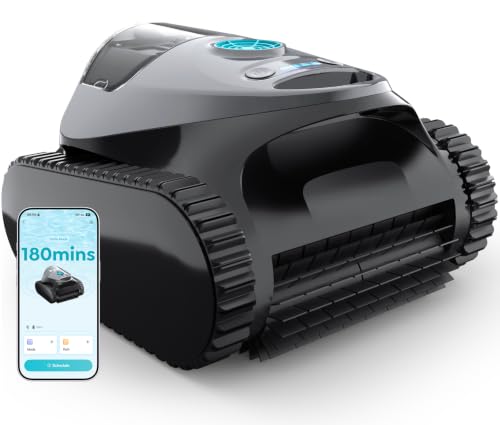
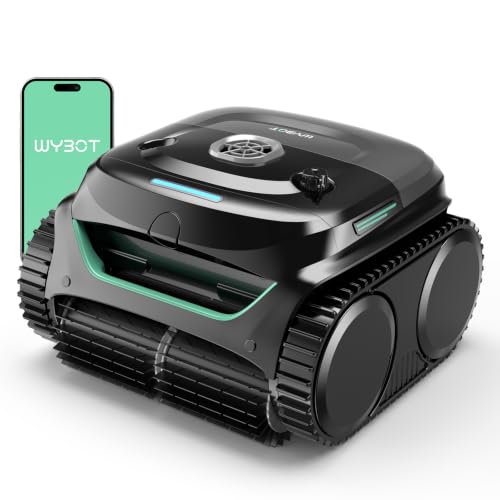
No, robotic pool cleaners operate completely independently from your pool pump and plumbing. They run on low-voltage electricity or rechargeable lithium batteries, capturing dirt inside an internal top-load filter basket. This self-contained design saves pump energy and prevents skimmer clogs.
Can robotic cleaners climb walls and scrub vinyl liner surfaces safely?
Yes, rubber-tracked robotic cleaners safely scale vinyl liner, fiberglass, and plaster surfaces without causing scuffs. Soft PVC rollers and active scrubbing brushes provide steady traction to scrub the waterline without damaging pool liners. Verifying manufacturer surface ratings ensures safe operation across all pool terrains.
What is the main difference between ultra-fine filter cartridges and standard mesh baskets?
Ultra-fine pleated cartridges trap microscopic dust, sand, and algae spores, while mesh baskets collect large leaves and twigs. Cleaners with dual filtration systems capture both floating leaves and settled silt in one cycle. If your yard battles blowing dust, ultra-fine cartridges keep the water crystal clear.
How do robotic pool cleaners navigate over raised main drain covers?
Modern units utilize raised drive chassis designs and smart directional sensors to glide over high-profile main drains. When the cleaner senses resistance at a drain ring or step edge, the drive tracks reverse to pivot away smoothly. This prevents the robot from getting hung up or spinning its tracks in place.
Can I operate an inground robotic cleaner in a saltwater pool?
Yes, most units perform reliably in saltwater pools with salt levels below 5,000 ppm. Rinsing the unit with fresh tap water after each cycle prevents salt residue from wearing down motor seals. Similar to how proper seasonal care protects the best hot tub for winter use, quick post-swim rinses extend equipment life.




Write Your Review
No reviews yet. Be the first to share your experience!