
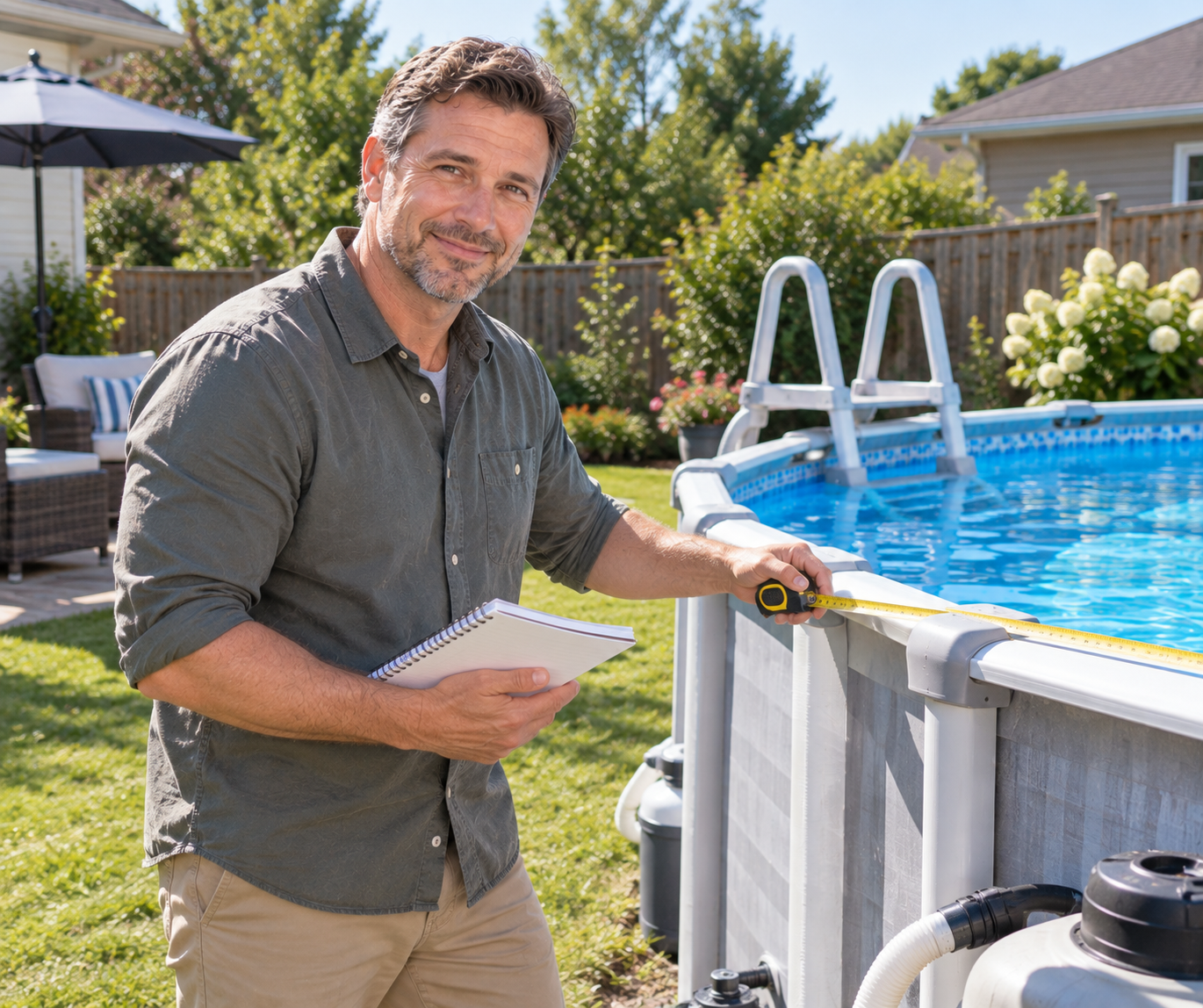

Vinyl pool surfaces demand gentle maintenance because abrasive scouring pads and aggressive chemicals quickly scuff printed patterns or weaken delicate seams. Sun exposure and oily body lotions already stress pool waterlines, making greasy rings and mineral discoloration frustrating to manage. Finding the best pool cleaner for liner pools doesn’t mean you have to risk surface damage or handle caustic acids. Many backyard owners face persistent staining from dissolved metals or ladder hardware, which calls for non-corrosive, surface-safe treatments to preserve liner elasticity.
Careful evaluation of product specifications and user feedback reveals that natural citrus formulas and enzyme degreasers lift grime efficiently without harsh scrubbing. Rather than scratching vinyl membranes with rough tools, gentle citric powders and non-foaming clarifying agents break down stubborn waterline scum naturally. Combining regular filter deep-cleans with balanced treatments protects your pool investment for years to come. Much like maintaining pristine surfaces when setting up an inflatable hot tub, gentle care prevents expensive structural repairs.




Frequently Asked Questions About Vinyl Liner Pool Care
Will chemical stain removers bleach or discolor vinyl pool linings?
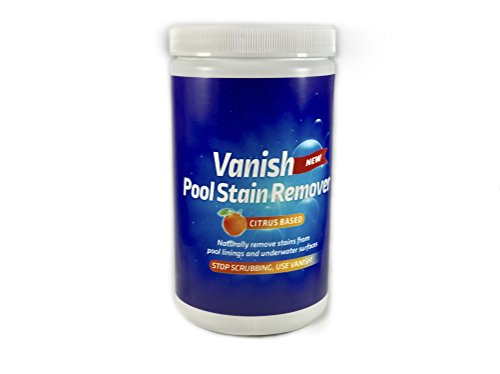
Direct answer: No, citrus-based and ascorbic acid treatments dissolve stains safely without bleaching, so you won’t risk stripping vinyl patterns. These natural formulas break down mineral scale and metal discoloration without harsh chlorine bleaches. Broadcasting the powder evenly across the pool water ensures thorough dispersion without settling in concentrated spots on the floor.
Can all-purpose enzyme cleaners be applied directly to vinyl waterline scum?
Direct answer: Yes, natural enzyme solutions safely liquefy waterline scum, oils, and sunscreen buildup on vinyl and fiberglass. The active enzymes break down sticky grime so you can wipe it away with a soft cloth. This eliminates heavy scouring while keeping vinyl step textures clean and free of oily residues.
How often should pool filters be cleaned to protect vinyl liner surfaces?
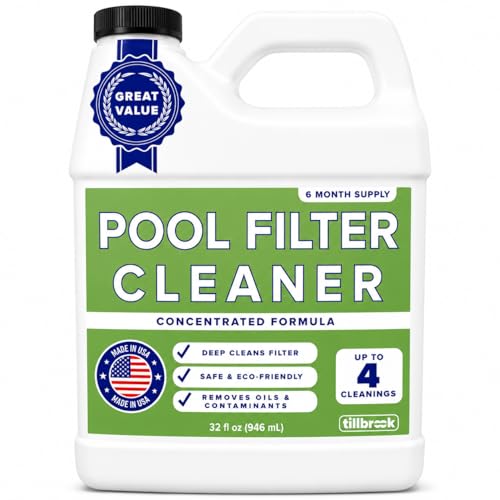
Direct answer: Deep cleaning your pool filter every three to four months stops trapped grease and oils from washing back into the pool. Concentrated soaks dissolve lotion residues and hard water deposits that restrict pump circulation. Much like caring for an outdoor therapy hot tub, clean filtration prevents cloudy water before grime can settle.
Are citric acid stain removers effective for saltwater vinyl pools in 2026?
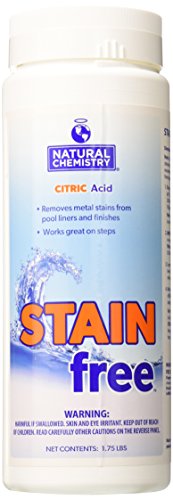
Direct answer: Yes, citric acid formulas function reliably in both saltwater vinyl pools and traditional chlorine systems. The solution lifts tough rust marks and metal discoloration without altering sanitizer levels or adding unwanted phosphates. This lets your saltwater chlorinator operate smoothly while keeping vinyl surfaces bright and spotless.
Do non-foaming algaecides prevent stubborn green stains on vinyl pool walls?
Direct answer: Yes, non-foaming algaecide and clarifier formulas eliminate microscopic spores before green, mustard, or black algae attach to vinyl crevices. The clarifier binds minute particles together so your filter media can capture them easily. Adding the dose near return jets ensures complete water circulation without producing frothy bubbles.



Write Your Review
No reviews yet. Be the first to share your experience!